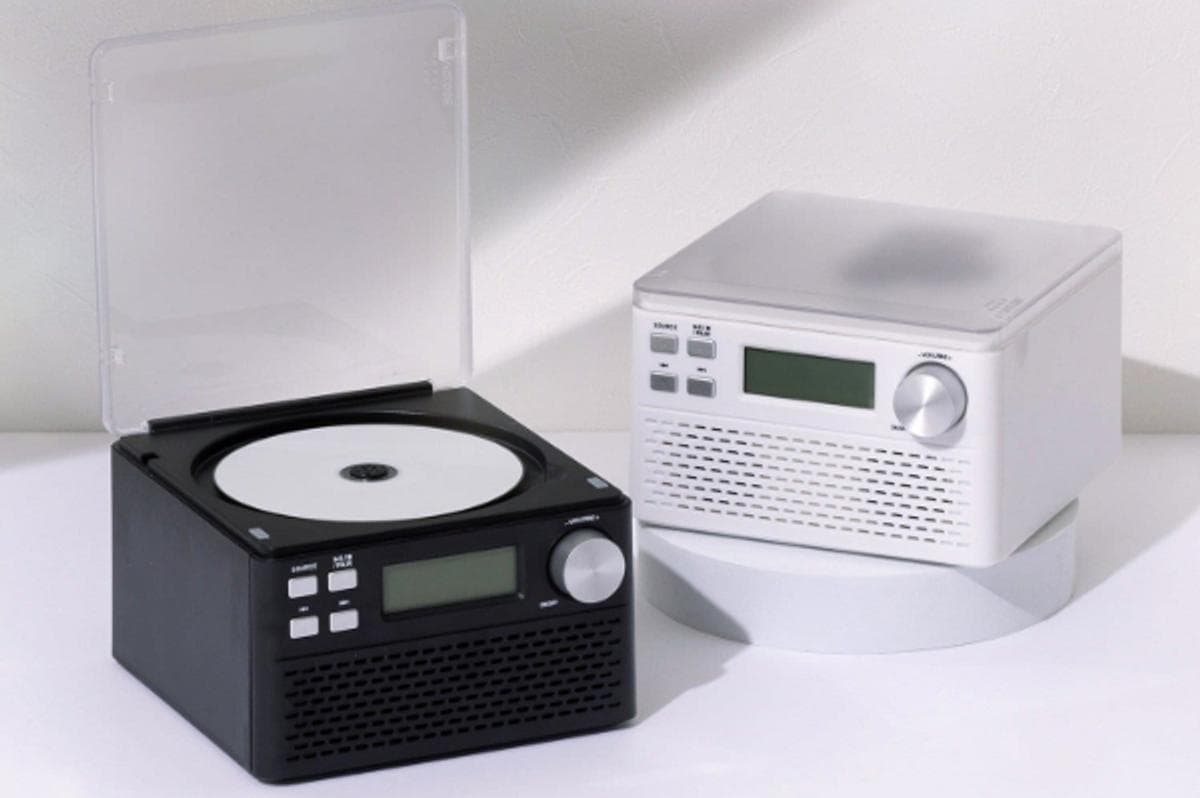
Photo: PAL Co., ltd.
A $45 Store Is Selling CD Players Again, and That Tells You Something
In an era where a phone can hold every album ever recorded, Japanese variety retailer 3COINS just launched a dedicated desktop CD player for 6,600 yen — roughly the price of a decent lunch. On paper, that's a strange business decision. In practice, it's the latest data point in a retro-tech revival that keeps refusing to run out of steam.
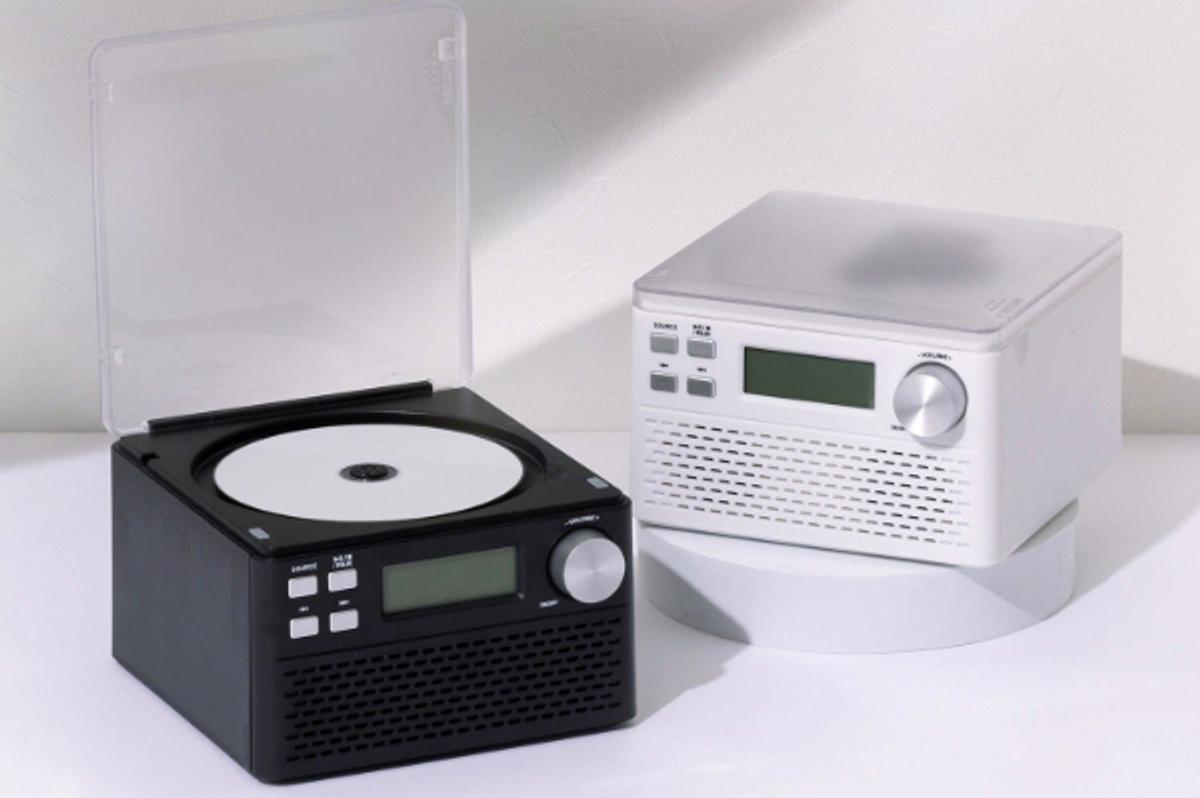
The 3COINS player itself is unpretentious and genuinely versatile: it reads CDs, CD-Rs, and CD-RWs, plays music straight off a USB drive, and doubles as a wireless Bluetooth speaker for a phone when nobody feels like digging out a disc. It's compact enough to live permanently on a desk, charges over USB-C, and comes in plain white or black. Nothing about it is trying to be a design statement. And that's exactly what makes its existence so telling — when even the budget, no-frills version of a category gets a new release, that's a sign the category itself has genuine demand again, not just a niche audience of collectors willing to pay a premium.
Enjoying this? Get new articles by email.
Photo: PAL Co., ltd.
That demand is showing up at every price point and every level of ambition, which is the more interesting part of this story than any single product. At the affordable end, there's real variety: a portable skeleton-body CD player letting two people listen together for under 6,000 yen, another skeleton-style portable model from 3COINS' own sister brand — curiously priced nearly double the desktop unit despite doing less — and a small oddity that doubles as a digital-to-analog converter for ripping old CDs into digital files. At the more considered, design-forward end, there's a player that sandwiches a spinning CD between acrylic panels so it appears to float in midair, and a genuinely charming DIY kit that lets anyone convert a spare CD-ROM drive scavenged from an old PC into a proper Hi-Fi CD player. Between the cheapest option and the most crafted one, the format born in the 1980s is somehow still finding new ways to be reintroduced.
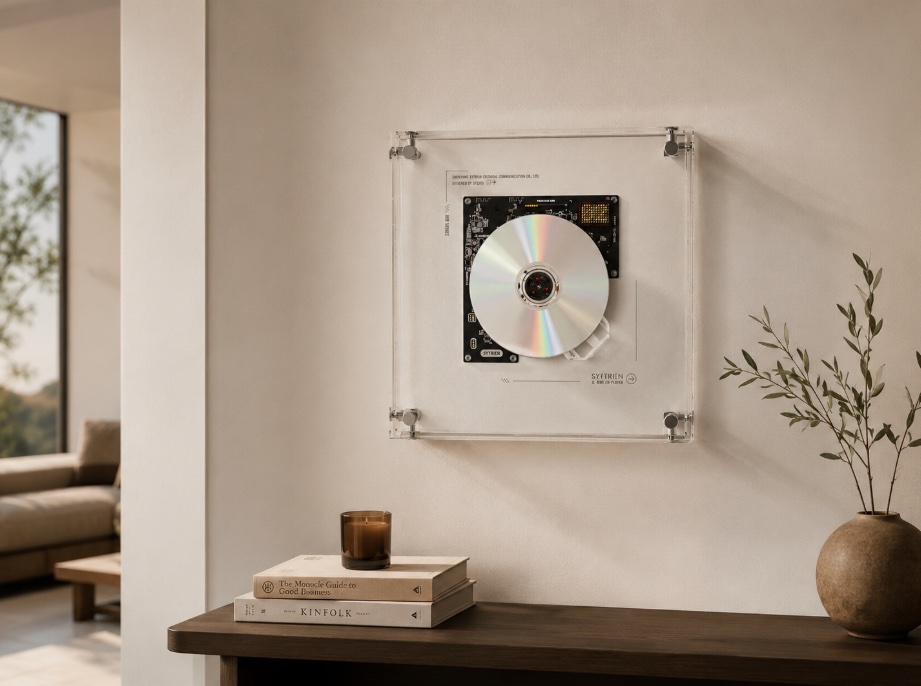
Photo: Syitren Audio
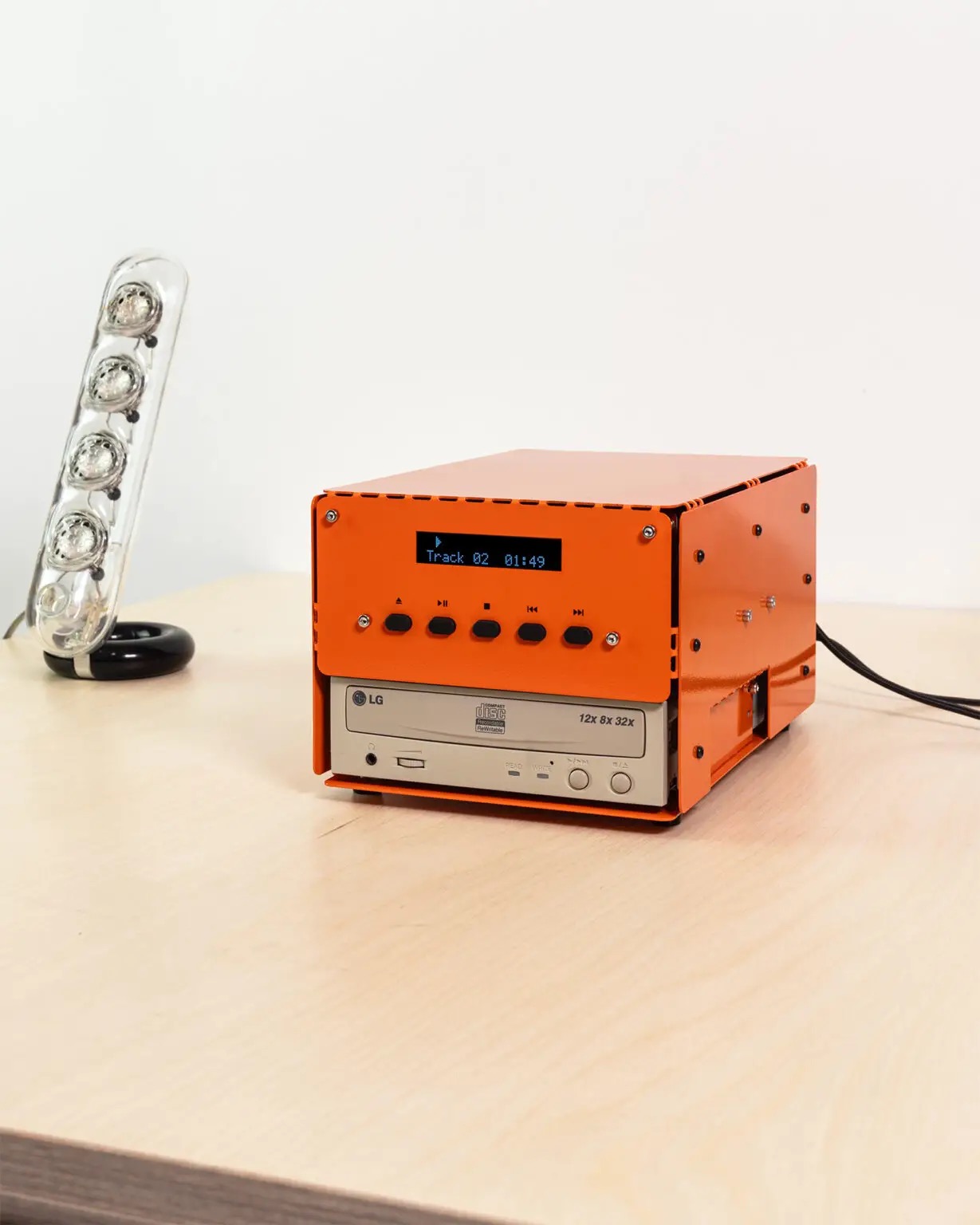
Photo: das_POD
This isn't really a story about CDs specifically — it's part of the same broader pattern that's already brought cassette decks and turntables back to store shelves, and it's worth naming plainly what's driving it: physical formats now sell an experience that streaming structurally can't replicate. Pressing play on a disc, hearing it spin up, holding the album art — none of that adds convenience over a phone's music app. It adds ritual, tactility, and a small, deliberate act of attention that a bottomless algorithmic feed quietly erodes. Nostalgia does real work here too, but it's not simply "old things are cool again" — it's that physical media offers a genuinely different relationship to listening, one plenty of people didn't realize they missed until something reminded them it existed.
For any brand paying attention to where retro-adjacent product categories are actually heading, the CD player's current moment offers a genuinely useful map. It shows a nostalgic format successfully re-entering the market simultaneously as a cheap, mass-market impulse buy and as a considered, design-object purchase for people who want the ritual done beautifully — proof that reviving an old format doesn't require picking a single price tier or a single audience. It also shows real appetite for cross-category collaboration hiding in plain sight: a format this culturally loaded, spanning music, fashion-adjacent retro aesthetics, and hands-on maker culture all at once, is genuinely fertile ground for a record label, a fashion brand, or a lifestyle label to co-create a limited object worth talking about, rather than another reissue nobody asked for.
Nobody is claiming CDs are about to outsell streaming. That was never really the point. The point is that a technology declared functionally obsolete over a decade ago just got a budget reboot from a dollar-store chain, a design reboot from at least two boutique studios, and a DIY reboot from anyone with a spare drive and a soldering iron — all in the same season. That's not nostalgia running on fumes. That's a format finding out it still has more than one way left to be interesting.