Photo: SLEEPY TOFU
A Taiwanese Mattress Brand Just Set Up Shop Inside a Baseball Stadium
There's a very specific kind of marketing genius in convincing baseball fans to lie down.
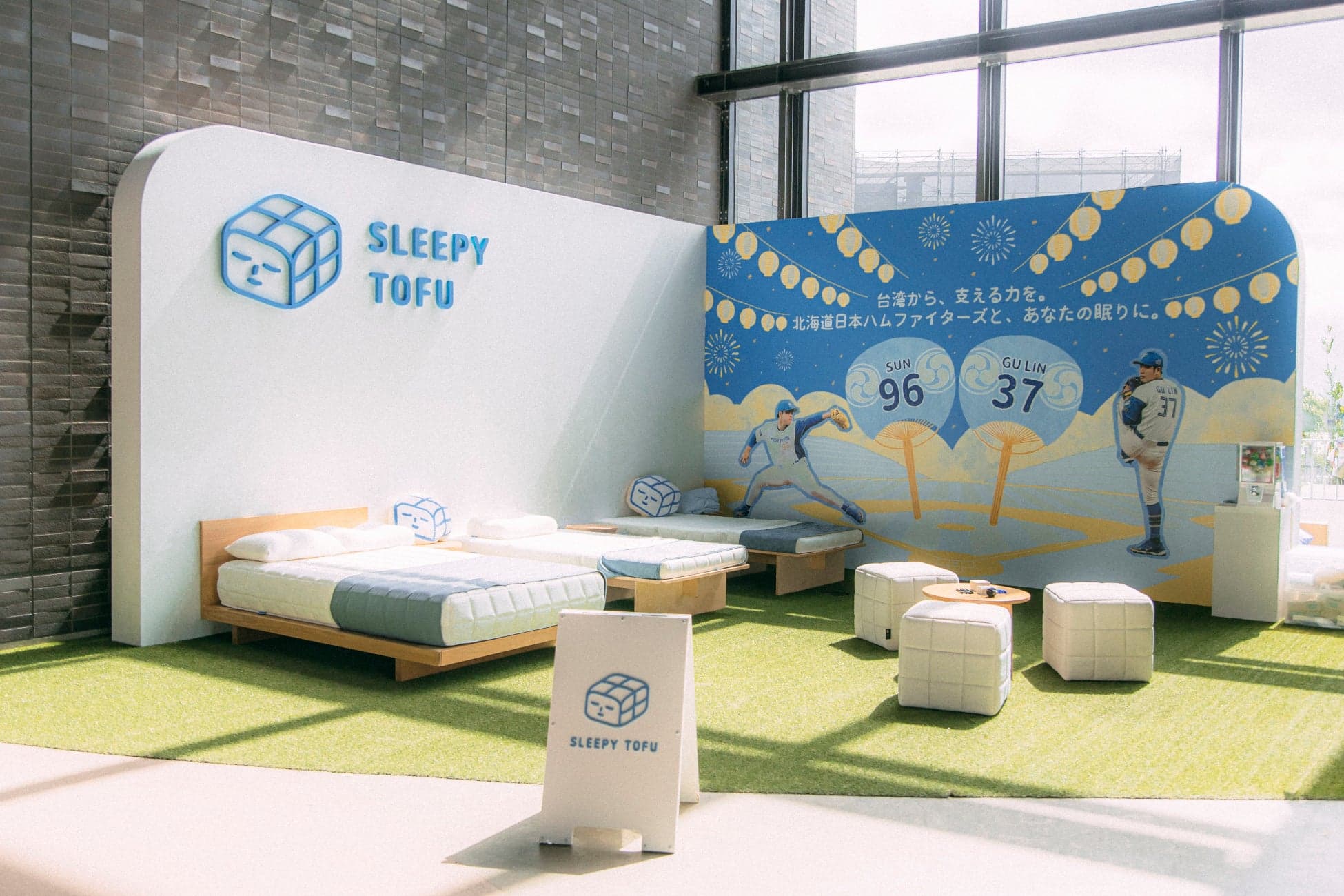
SLEEPY TOFU, the Taiwan-born bedding brand best known for a mattress with a grid pattern deliberately styled after diced tofu, just opened a branded activation space inside ES CON FIELD HOKKAIDO — widely regarded as one of the most striking stadiums in the world — for the Hokkaido Nippon-Ham Fighters' summer festival running through late August. Visitors can lie down on the brand's signature mattress mid-festival, write a cheer card for the team's Taiwanese players, and spin a prize wheel stocked with the brand's pillows and throws. It is, on paper, an odd pairing: a sleep brand, at a stadium, during a sporting event that is by definition not about sleeping. It's also one of the smarter brand moves worth paying attention to this year.
To understand why, it helps to know where SLEEPY TOFU actually came from. The brand launched in Taiwan in 2018 off the back of a crowdfunding campaign that blew past its target by roughly 6,000 percent — a genuinely startling number for a mattress company with no prior track record. Its whole identity was built around a single clever design idea: cut a mattress into a grid of individual foam blocks, like the diced tofu the name winks at, so each section flexes and supports independently instead of one uniform slab doing all the work. It's a simple, modular concept, but it photographs well, explains itself in one glance, and gives the brand an instantly memorable visual signature — the kind of thing that turns a mattress, a notoriously boring product category, into something people actually want to post about.
Enjoying this? Get new articles by email.
That same instinct for turning a hard-to-market product into an emotional one is exactly what's happening at the ballpark. A stadium activation for a mattress brand could easily have been generic — a tent, a giveaway, forgettable. Instead, SLEEPY TOFU built the entire experience around a specific, resonant emotional hook: Taiwanese fans, some of whom flew to Hokkaido specifically for this, cheering on the Taiwanese players on Japan's home turf. The brand isn't just handing out samples; it's positioning itself as the thing quietly supporting those players and their supporters through it — literally, physically, via cushioning. That's a much harder story to ignore than "come try our mattress."
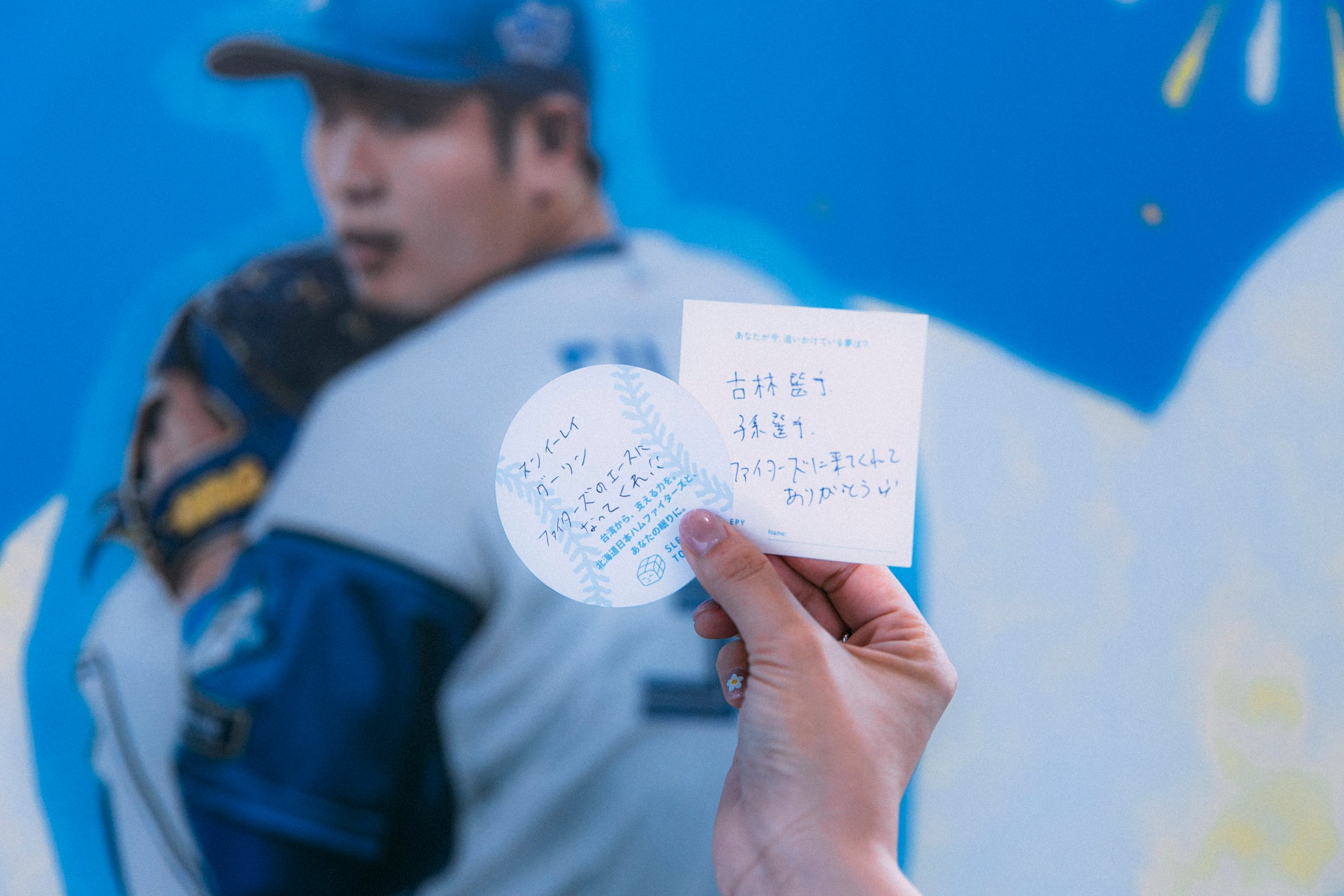
Photo: SLEEPY TOFU
There's a broader strategic logic here worth sitting with, too. Expanding into a new market by opening more retail doors is the obvious playbook — SLEEPY TOFU already has that covered, with a flagship store in Tokyo's Minami-Aoyama and steady online sales since 2022. But retail expansion alone doesn't build affection; it just builds availability. Meeting people at a moment they already care about — a summer festival, a hometown team, a sense of national pride — does something a store shelf can't: it lets the brand borrow an emotion that already exists and quietly attach its name to it. By the time a fan actually lies down on that mattress, the brand isn't a stranger asking for fifteen minutes of attention. It's already been cheering alongside them.
None of this replaces having a genuinely good product underneath it — the brand's Q-Max-rated cooling bedding line, released this same summer, suggests the company is still investing seriously in the unglamorous engineering side of sleep, not just the marketing around it.
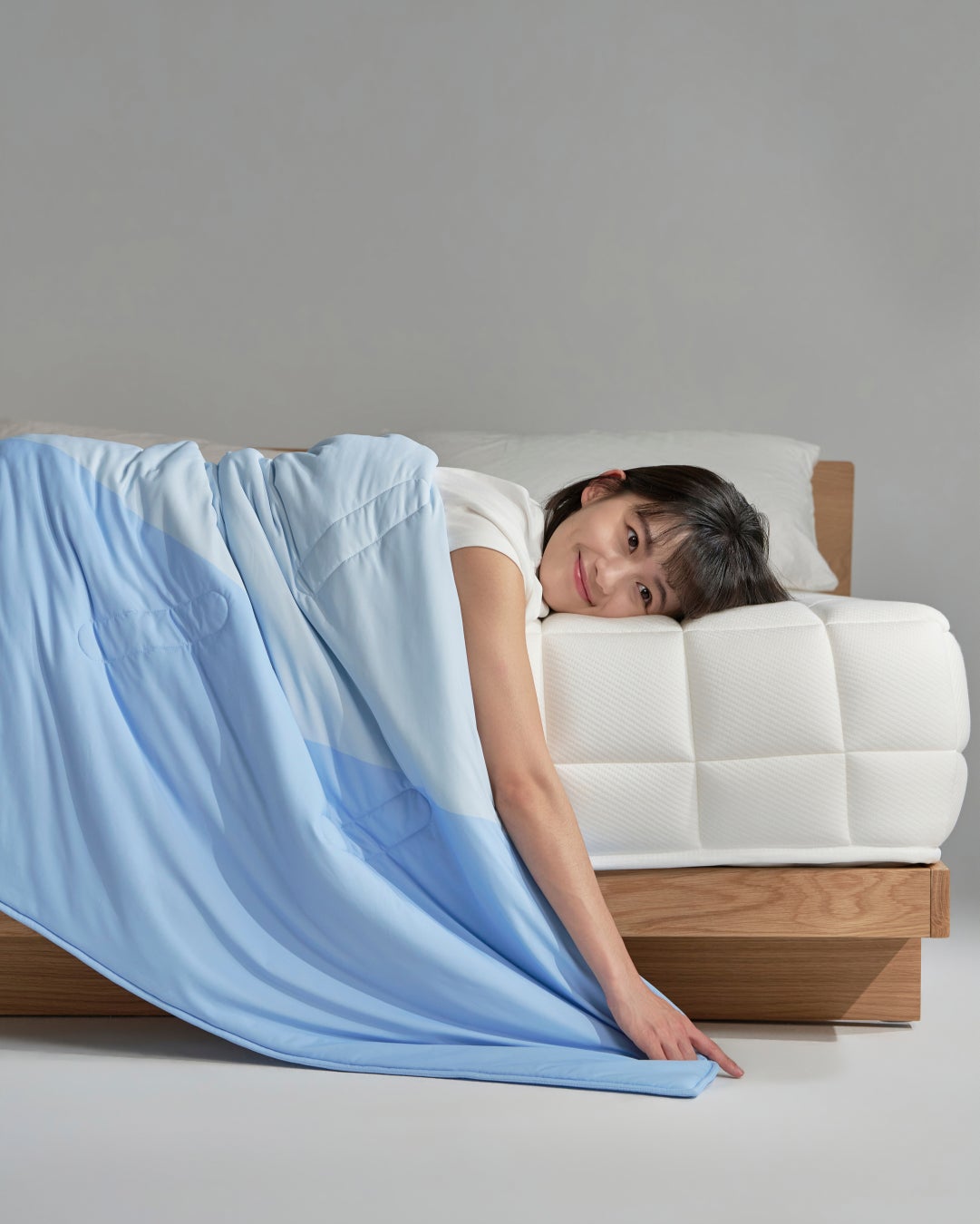
Photo: SLEEPY TOFU
But the stadium activation is the more instructive lesson for anyone building a brand in a low-attention category: find the room your product doesn't obviously belong in, bring a genuine reason to be there, and let people discover you mid-celebration instead of mid-scroll.