Photo: Apple
Apple Music Built a Concert Hall. The Real Product Is the Story It Tells.
Streaming made music infinite and, for most people, strangely forgettable. A catalogue of a hundred million songs is a utility, not a feeling. So it is telling that Apple Music's answer to a crowded market was to build a room.
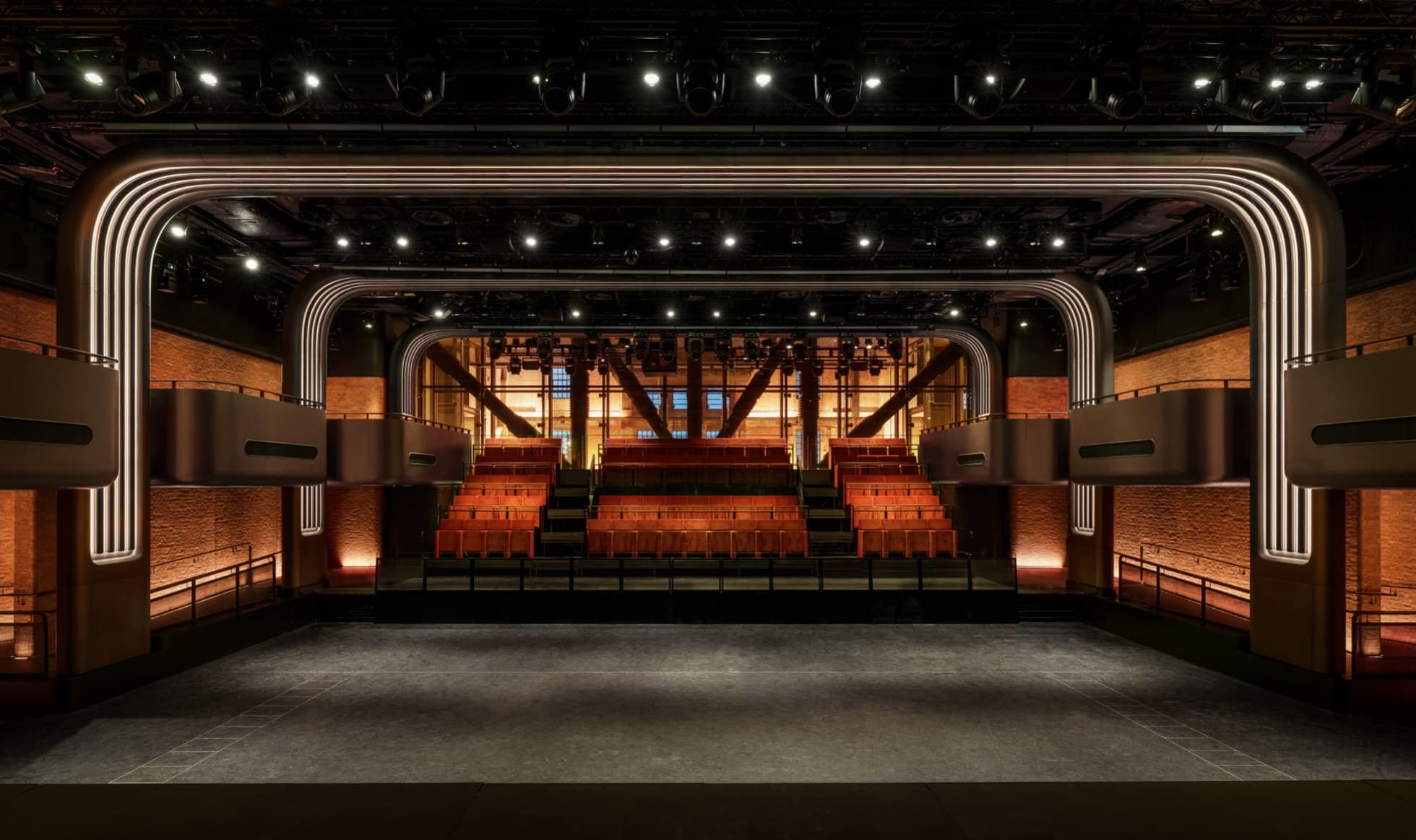
Apple Music Hall opened on September 23, 2026 at Battersea Power Station on the Thames in London. It holds 600 people, which in concert terms is small enough to see the performer's face, and it is designed less as a venue than as a complete production facility. The stage is 38 feet wide and can be reconfigured for a traditional layout or in the round. A 48-speaker spatial audio system fills the space. There are two professional recording and mixing studios, a broadcast control room, and infrastructure for more than 16 cameras, with support for both iPhone and professional filming. Shows are livestreamed around the world, and Apple Music Radio's London studio, which hosts its resident presenters, has moved into the same building.
Look at that list again and notice what a single performance produces: a live show, a finished spatial audio recording, a broadcast-quality mix and multi-camera footage. One evening becomes four assets. That is the quiet business logic under the beautiful brickwork. The hall is a content factory that happens to sell tickets, and every piece of what it makes feeds the service that Apple actually sells.
Enjoying this? Get new articles by email.
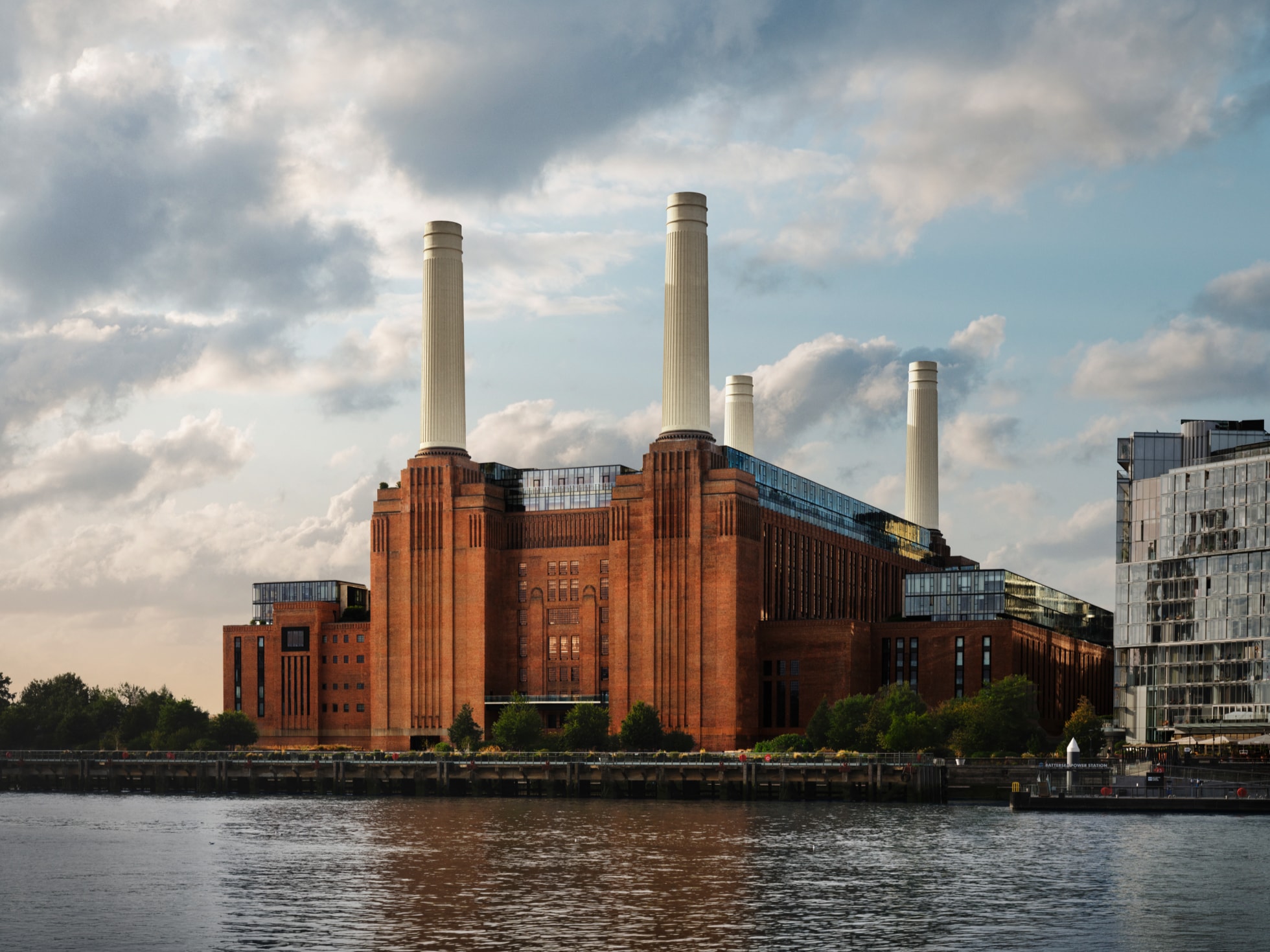
Image courtesy Apple
The design is doing real strategic work too. The building borrows from the power station around it, with vintage brick walls, textured arched vaults and bronze balconies that nod to historic oriel windows, plus floor-to-ceiling glass that connects the room to the courtyard and the river. This is not a neutral black box with a logo on the door. It is an Apple-quality space that is also unmistakably a London one. Anyone who has watched Apple spend years obsessing over the look of a store knows the pattern: when a brand makes the physical environment beautiful, people read the care as a promise about the product. Streaming has no texture of its own, so Apple is lending it some.
Image courtesy Apple
Then there is the voice. Apple Music creative director Zane Lowe said that "great music and beautiful memories will be born at Apple Music Hall." That sentence is a small piece of positioning. It frames the venue as a place where memories get made, not a place where a service gets promoted. Pair that with a radio studio of resident hosts and a hall that broadcasts to a global audience, and you get something every streaming brand struggles to build: a recognisable point of view, delivered in person and online by the same cast.
So what should consumer tech brands take from this? Three things stand out.
First, give an intangible product a physical home. Software and subscriptions are easy to compare and easy to cancel. A room with a name, a look and a calendar is harder to switch off, because people attach memories to places.
Second, design the place so it produces stories as well as experiences. Apple did not just build a stage, it built a stage that outputs recordings, video and radio. Brands often treat events as expensive one-offs. A better question is whether every event can leave behind something the brand can keep telling.
Third, let aesthetics carry the argument. Apple has never won on being the cheapest, and the hall repeats the same point: taste is a business model. When competitors can match features within a quarter, a coherent, beautiful and consistent presentation is one of the few advantages that takes years to copy.
There is a caution here, too. A grand venue only works if the programming behind it keeps its promise. The building is the invitation and the schedule is the relationship. Apple's advantage is that it can pair a landmark space with an always-on radio and streaming operation, so the lights never really go off. A smaller brand copying the gesture without the rhythm would have an expensive room and not much else.
Still, the direction is clear. The next stage of consumer tech competition is less about adding another feature and more about building a world around the product, one that people can walk into, hear, film and remember.
Source: Everyday Object