The Rug Is the Fifth Wall, and Brands Are Finally Writing on It
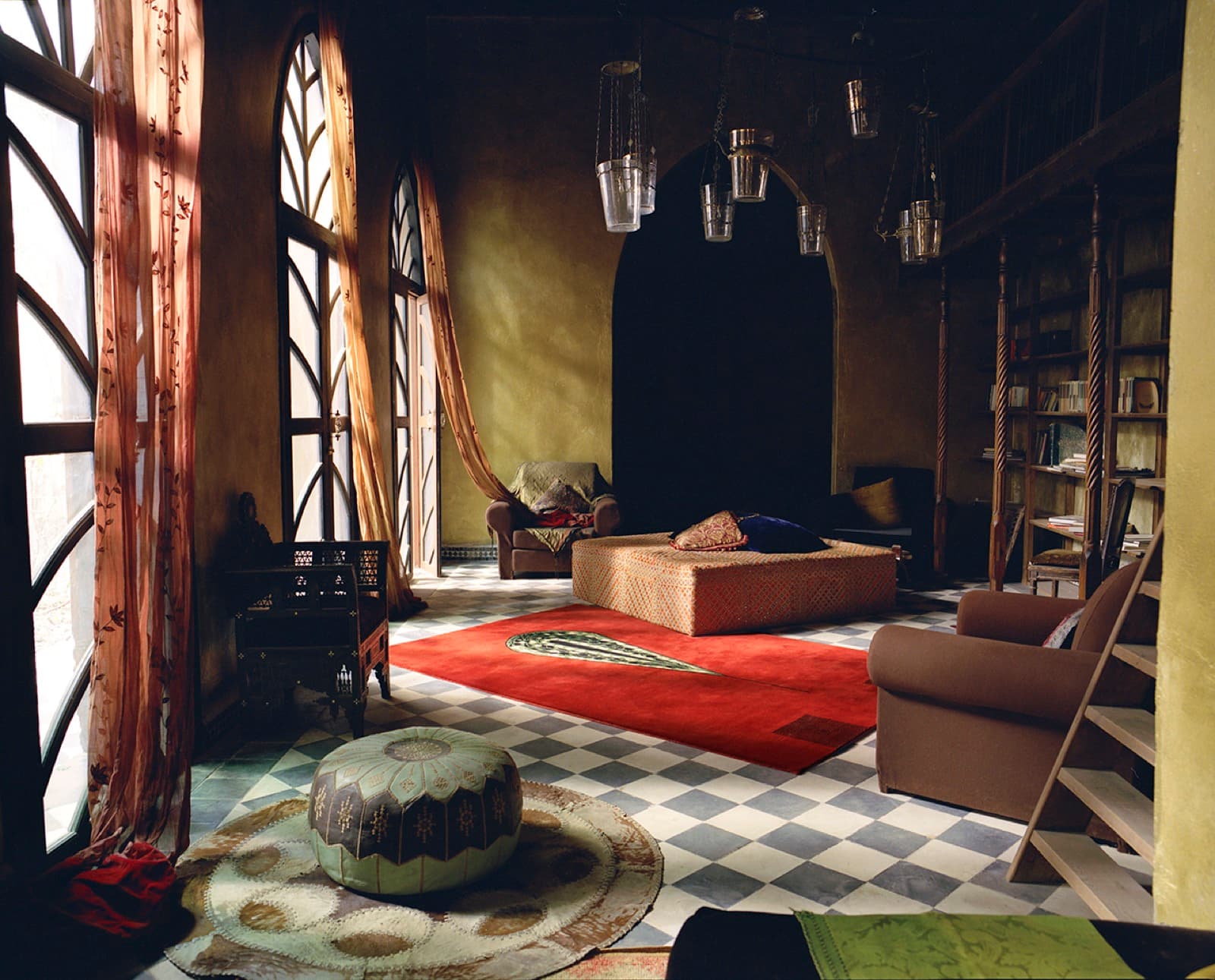
A rug is usually the last thing people choose and the first thing guests walk on. It gets treated as a decoration, something to tie the sofa and the curtains together. But a recent roundup on Design Milk, ten new rug collections chosen by Adrian Madlener, quietly makes a bigger argument. It calls the floor the room's "proverbial fifth wall," and the collections it features read less like furnishings and more like stories you can stand on. [Design Milk]
A rug as a story, not a surface
Look at how many of these collections start with a narrative before they start with a pattern.
Enjoying this? Get new articles by email.
BENI, the Morocco-based maker, worked with artistic director Colin King on its Chelsea Collection, eight designs inspired by the hidden gardens of European cities, with motifs drawn from wrought-iron gates and garden layouts. The pieces use an adaptation of an ancient hand-knotting technique historically practised for Moroccan nobility, and each one takes months of artisan work. [Design Milk] That is a place, a craft lineage and a design idea in the same object.
Nordic Knots in Stockholm turned to Swedish Grace, the 1920s movement that combined classical proportions with modern simplicity, for its Dancing Flower and Matches designs. [Design Milk] Sara Story and Christopher Farr built Hill Country from Story's Texas upbringing and the monumental spider sculptures of Louise Bourgeois, translating the spider into raised lines instead of copying it. [Design Milk] Armadillo's Venezia, the Australian brand's first all-silk collection, is hand-knotted in India and inspired by the changing light of Venice, with each rug a single field of colour whose low pile shifts with the angle you view it from. [Design Milk]
In each case, the buyer is not just choosing a colour. They are choosing a reference, a place and a way of making.
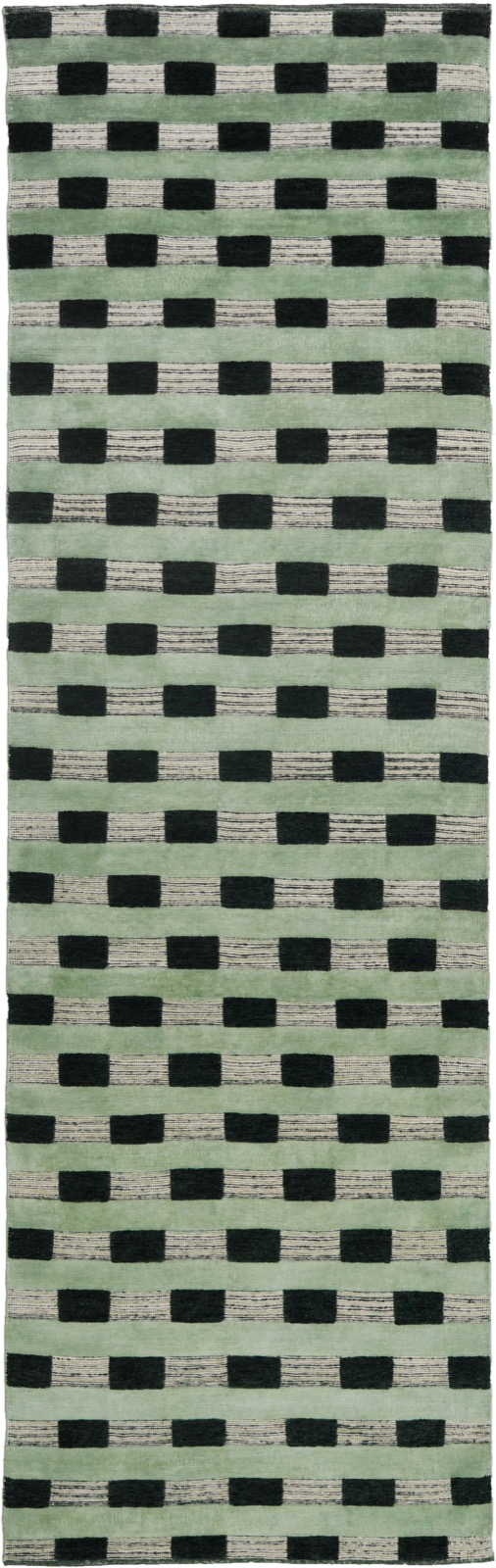
Hill Country by Sara Story x Christopher Farr. Image: Christopher Farr.
Where the rug becomes a collaboration
The most interesting thing in the roundup is how often these rugs are the product of two different worlds meeting.
Spanish brand Nanimarquina, with the Eames Office and Form Portfolios, adapted seven original artworks by Lucia Eames, daughter of Charles Eames and stepdaughter of Ray Eames, into rugs. The pieces adapt the artworks instead of reproducing them, using hand-tufting, hand-knotting, sculptural relief and hand-braided jute. [Design Milk] Nomadory made its Plot rug for Verdant Phenomena, an outdoor group exhibition in Sonoma, with The Bureau and artist Gigi Allen, taking its cue from rectangular planter boxes and the growth inside them. [Design Milk] Creative Matters of Toronto and Paris architecture practice RDAI went furthest toward the experimental: Zoometry takes microscopic structures like butterfly wings, spider webs and coral, uses digitally generated compositions as guides for artisans, and has them hand-knotted in Nepal from Himalayan wool and Chinese silk. A 2 by 3 metre rug carries about 1.8 million knots. [Design Milk]
Notice who is in the room: an interior designer, an architecture practice, a design office, an outdoor art exhibition, a digital generative process, a hand-knotting workshop. The rug is the place where those fields meet and produce something none of them would make alone.
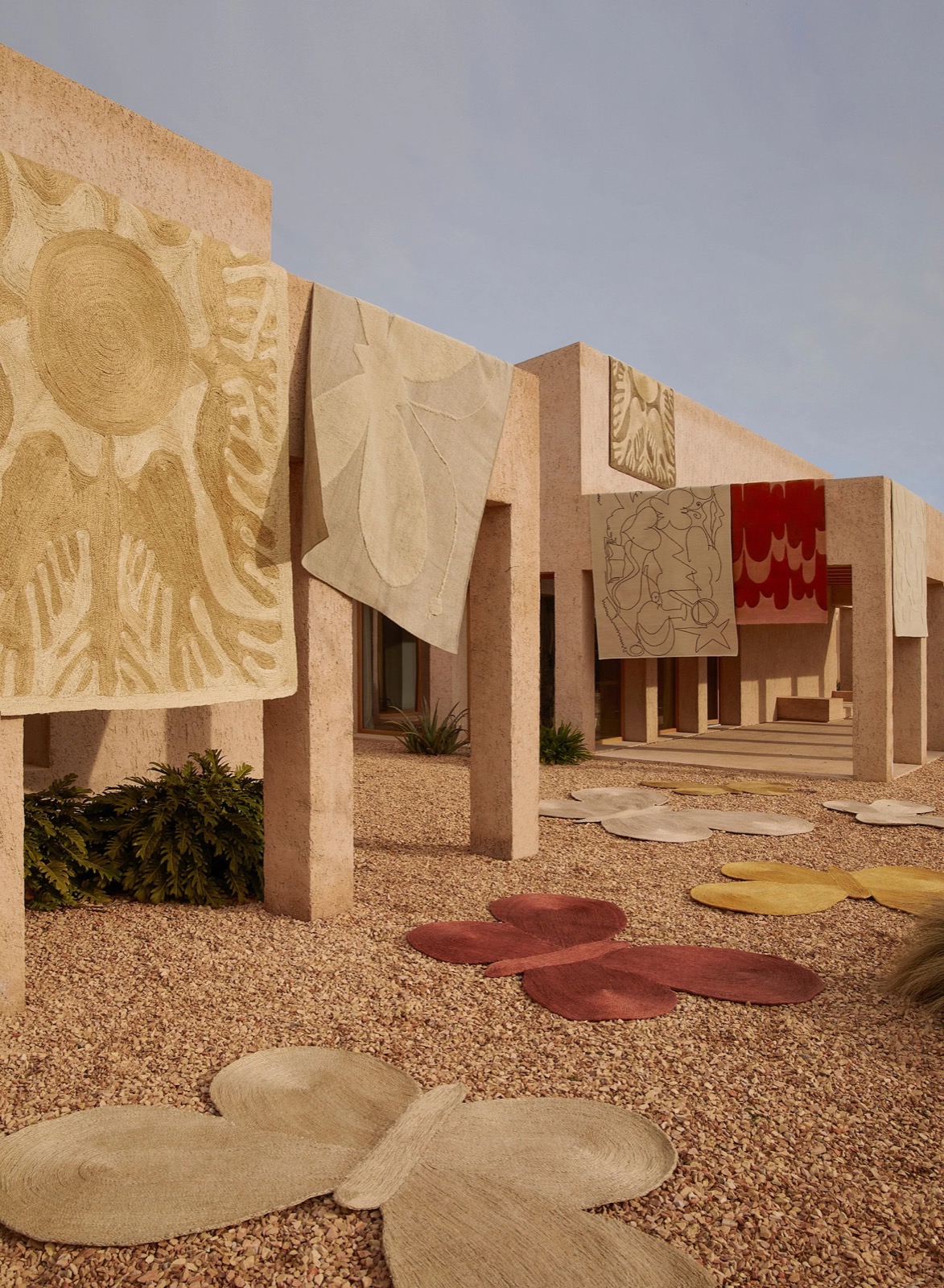
Lucia Eames Collection by nanimarquina, with the Eames Office and Form Portfolios. Image: nanimarquina.
Why the rug is such a good platform for brands
For lifestyle brands, there are four reasons this category is worth a serious look.
First, a rug is large. It is one of the few home objects with enough surface to tell a story at scale, and a story you can see across a room works harder than a logo on a box.
Second, it is slow to make, and that slowness is a feature. Months of artisan work and hand-knotted construction give brands something they can honestly describe: time, skill and origin. [Design Milk]
Third, it lives with people. Unlike a campaign, a rug is in someone's home every day for years, which is the kind of long relationship most brands only talk about.
Fourth, it can carry meaning at several levels at once. Aesthetics are the obvious one. Cultural history is another, as with BENI's nobility-era technique or Nordic Knots' Swedish Grace. Nature and everyday life come through in Nomadory's planter boxes and Creative Matters' butterfly wings and coral.
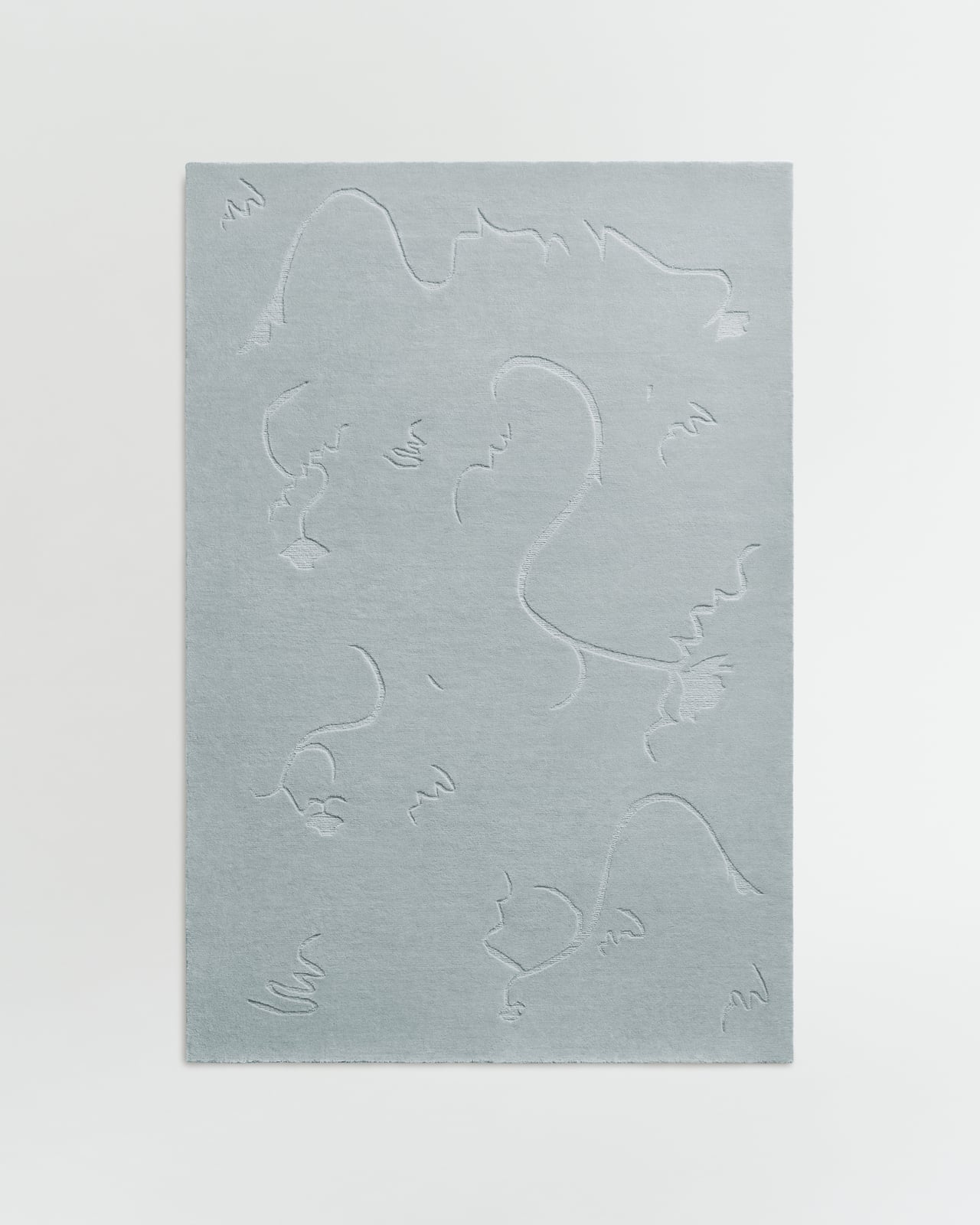
Dancing Flower by Nordic Knots, from the Swedish Grace collection. Image: Nordic Knots.
A word on sustainability
Sustainability is the story many brands would love to tell through a rug, and it deserves a straight reading. In this particular roundup, the explicit environmental claims are thin. The clearest is Nomadory's Plot, made from recycled polyester for outdoor use. Jaipur Living's CallaLuxe is described as durable and easy to care for, which is a performance point, not an environmental one. [Design Milk]
That is useful information, not a criticism. It shows where the opportunity sits. Durability, natural fibres such as wool, silk and abaca, and long-lived handmade objects all point toward sustainability as a quality of the product, but it takes proof to say so. [Design Milk] A brand that backs the claim with sourcing, materials and lifespan, and shares the makers' names and origins, would stand out in a category where it is rarely spelled out.
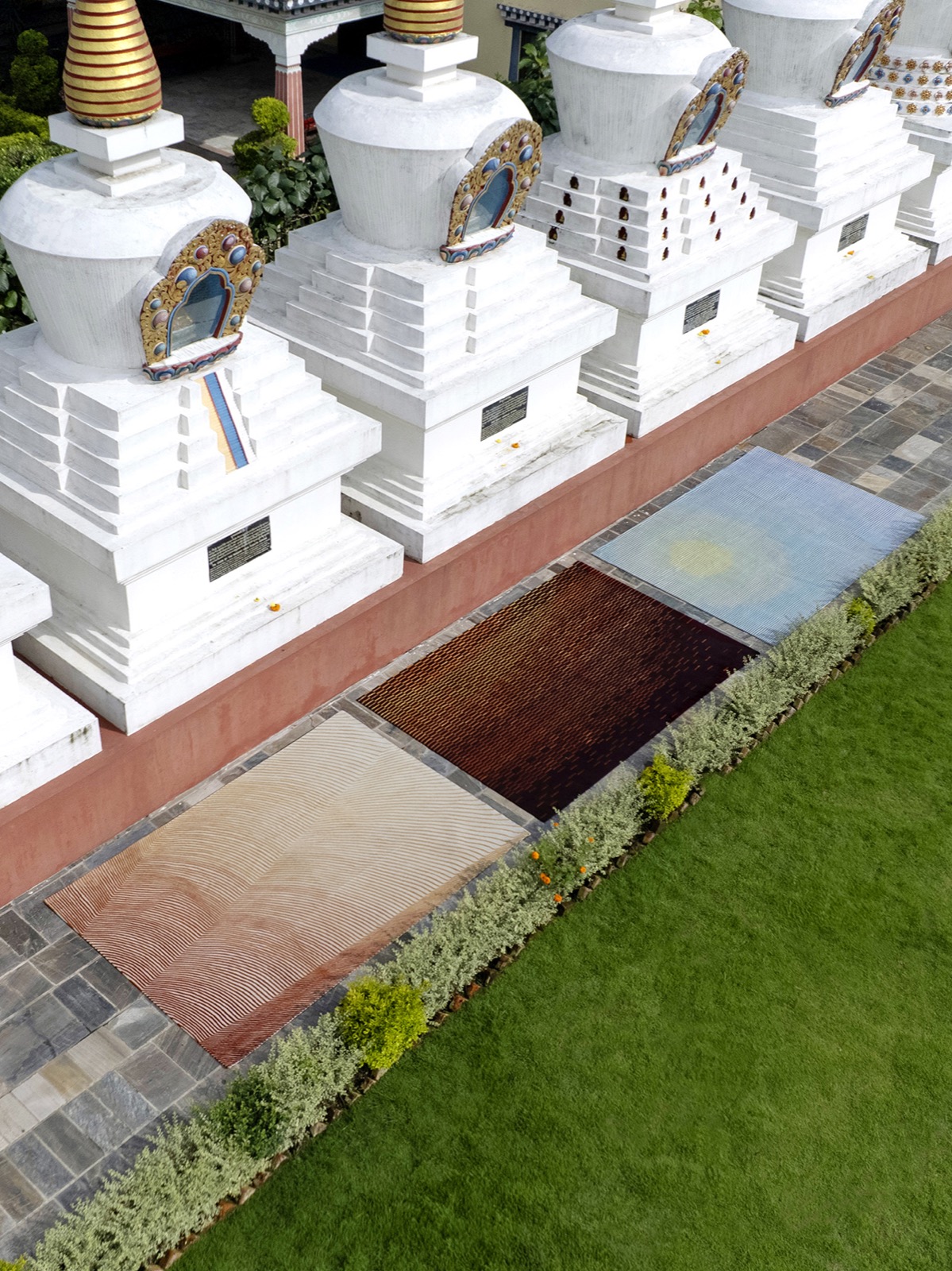
Zoometry by Creative Matters x RDAI, hand-knotted in Nepal. Image: Narendra Shrestha, via Design Milk.
How lifestyle brands can co-create
A few directions follow naturally from the cases above.
Pair a brand with an artist or estate, as Nanimarquina did with the Eames Office's work, and let the art be adapted, not copied. The principle that matters is respect for the source.
Pair a brand with a place or a project, as Nomadory did with an outdoor exhibition. A rug made for a specific moment gives the product a reason to exist.
Pair a brand with a research idea, as Creative Matters and RDAI did, so that the design starts from something curious instead of something trendy.
And treat the makers as part of the story. When the technique, the country and the hours of work are all visible, the object stops being a commodity.
The takeaway
The rug has spent decades being the quietest thing in the room. The collections in this roundup suggest it can be the most talkative, because it combines scale, craft, long life and room for ideas from other fields. For lifestyle brands looking for a way to tell a deeper story, from heritage to nature to ethics, the floor may be the most under-used wall in the house.
Sources