Photo: Yanko Design
Fiat's Multiplay Is a Family Car That Becomes a Pickup. The Real Lesson Is About Care.
Most cars ask you to buy for your busiest day and live with the compromise on every other one. A family car is too small when the bikes come along. A pickup is awkward when the kids need to be seen from the front seat. Fiat's new Multiplay concept starts from a different question: what if the car changed to suit the day instead?
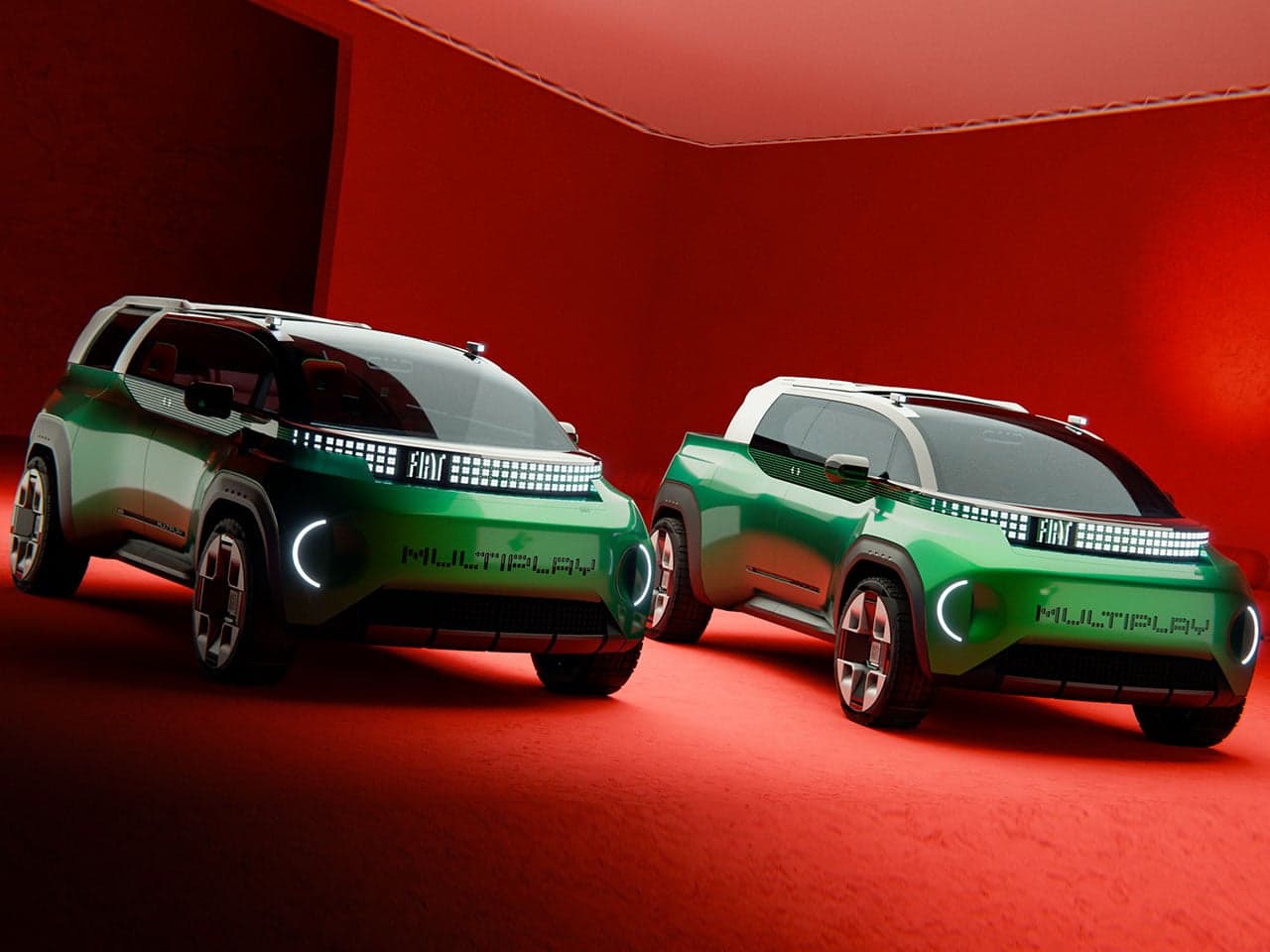
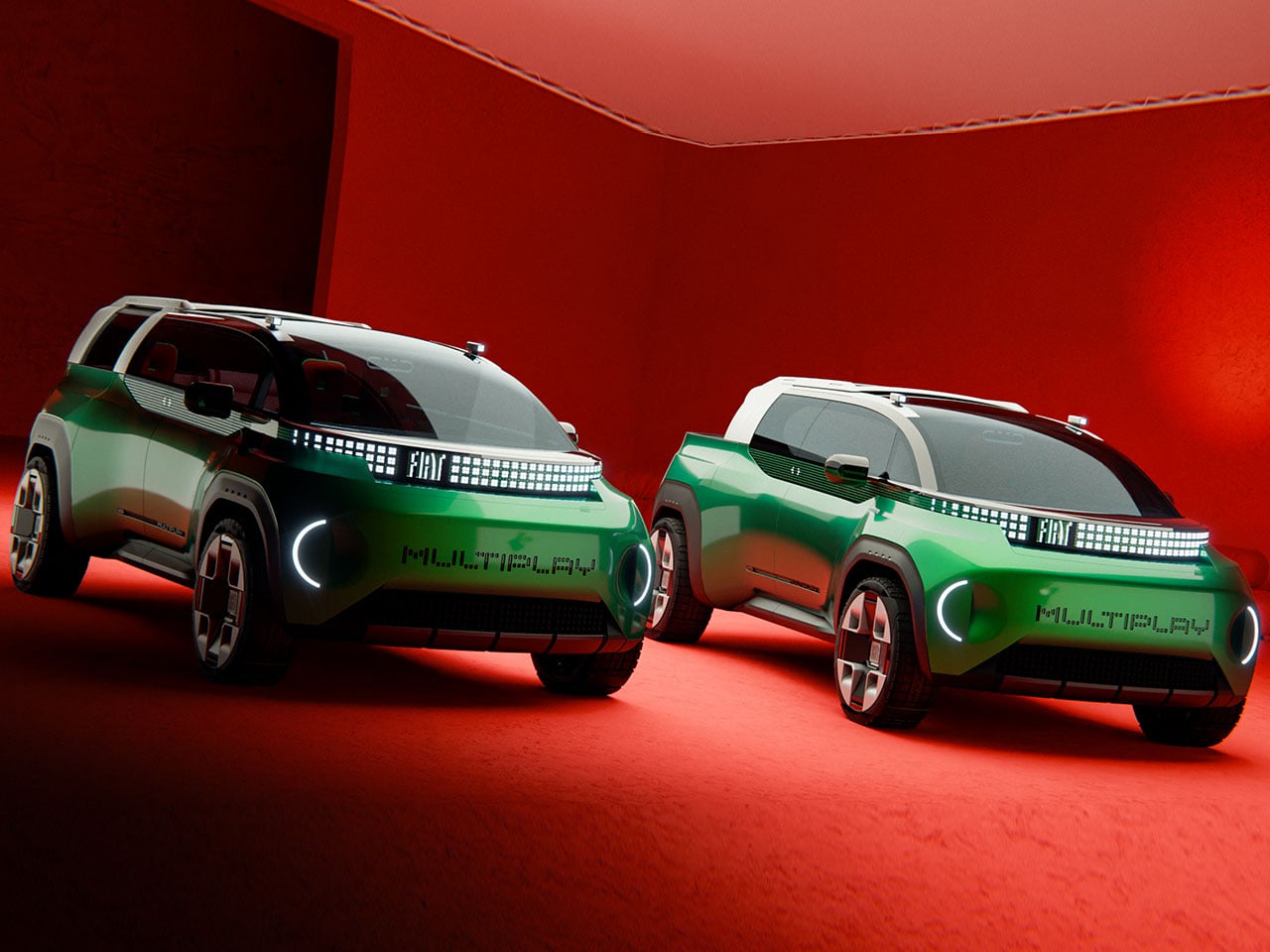
Unveiled ahead of the 2026 Paris Motor Show, the Multiplay is a 4.45-metre concept that blends MPV-style space, SUV styling and pickup-style cargo capacity. Its central trick is a movable rear body section, which Fiat calls C-Pillar Metamorfosi. The section slides along dedicated guides, converting the car from a six-seat family layout with an extra flexible seating module into a four-seat pickup with an open cargo bed. The front and rear passenger seating stays intact throughout, which leaves room for bikes, sports gear and bulky items. A rotating rear spoiler doubles as a rack for two bicycles. Fiat describes the whole thing as a "laboratory for future ideas" rather than a preview of a production car, and has announced no powertrain, pricing or timeline.
Enjoying this? Get new articles by email.
Image courtesy Yanko Design
The technology is quieter than you might expect
It is worth being precise here, because the brief for this kind of concept often promises more tech than it delivers. Most of the Multiplay's cleverness is mechanical and material rather than digital. There is a dashboard display that disappears when the car is switched off, which keeps the surface clean, and the interior textiles are monomaterial and made by stitch-free 3D knitting to cut waste. The intelligence is mostly in the layout. That is a smart strategic choice, and it echoes Fiat's own heritage of squeezing maximum space out of compact cars, from the six-seat Fiat 600 Multipla of 1956 to the 1998 Multipla.
A car designed around who is actually inside it
The more interesting story is the mindset behind the seats. This is where Fiat's concept stops being a packaging exercise and starts looking like care.
Take the "Petsenger" seat. It can hold a child seat, serve as a pet area, or turn into a small table or storage unit. Part of its cushion detaches and works as a leash, and a folding bowl lives in a door compartment. Waterproof finishes in the children's and pet areas are there for the reality of family life. The rethought third row fits two children or one adult, and keeps younger passengers within sight and reach of their parents. Pockets and elastic straps keep everyday clutter organized.
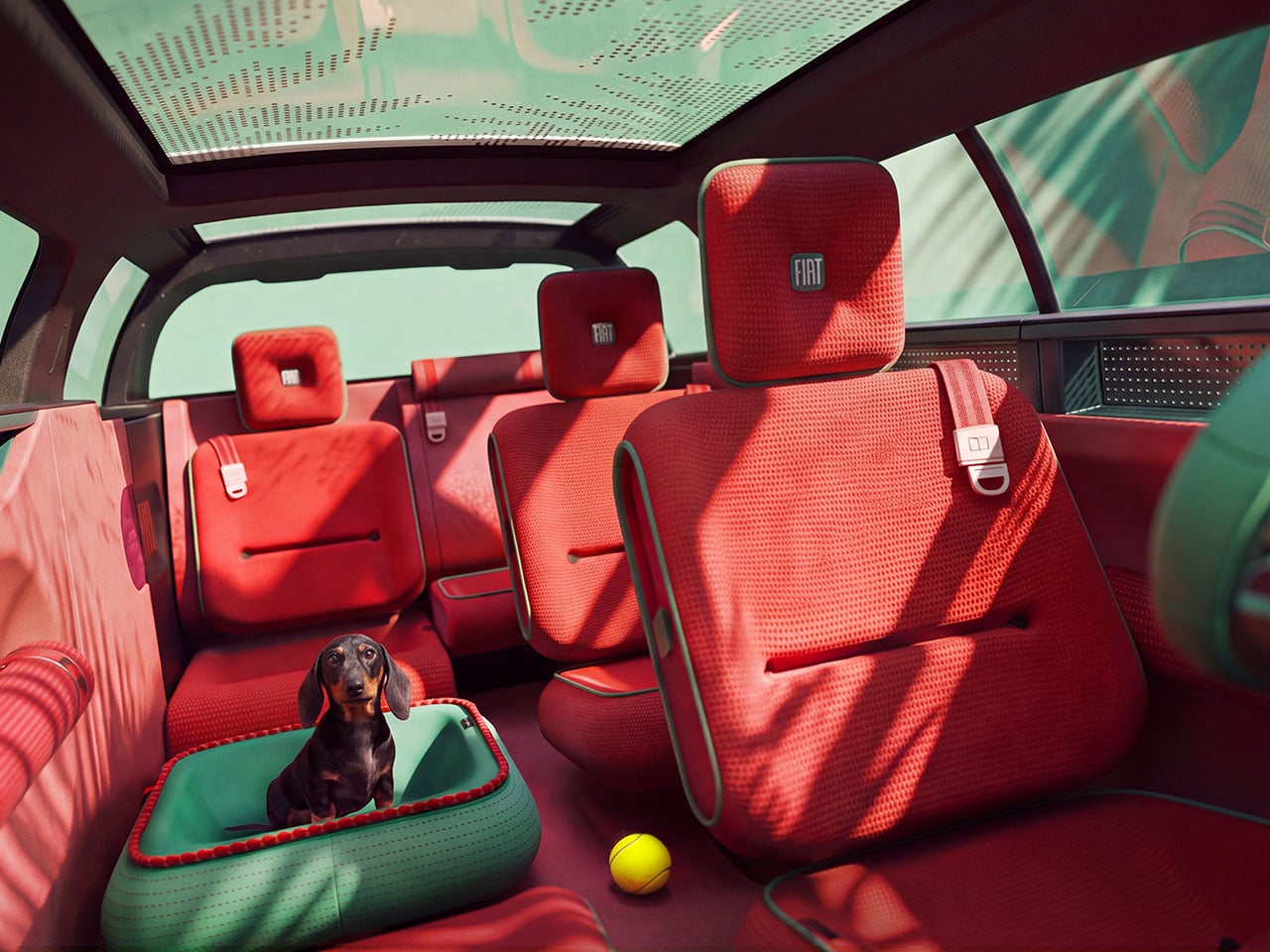
Image courtesy Yanko Design
Then there is the "Sunseat," where the front passenger seat rotates rearward and uses the dashboard as a backrest, forming a chaise longue under the panoramic roof when the car is parked. It is the opposite of a utilitarian feature. It acknowledges that a car is also somewhere you sit still, read, nap or wait for someone, and it treats that moment as worth designing for.
Put together, these features show a car that has thought about the child who needs to be seen, the dog that needs a place, the parent who needs a break and the adult who just wants to lie back. Different people get different kinds of consideration. As a strategist, that is the part I would watch: caring is a design brief, not a slogan. Plenty of brands say they put families first. Few redesign the third row around sight lines.
Fun as a business decision
There is a visual story too, and it is not an accident. The concept uses a watermelon theme, with green bodywork for the rind and red and pink cabin accents for the flesh, and a dashboard shaped by the Mediterranean horizon. It is bright, a little silly and completely confident. In a category where many family cars are beige by committee, joy becomes a differentiator. It signals that driving, or at least riding, can be fun, and it speaks to a younger, newer kind of buyer who wants something with personality instead of a status badge.
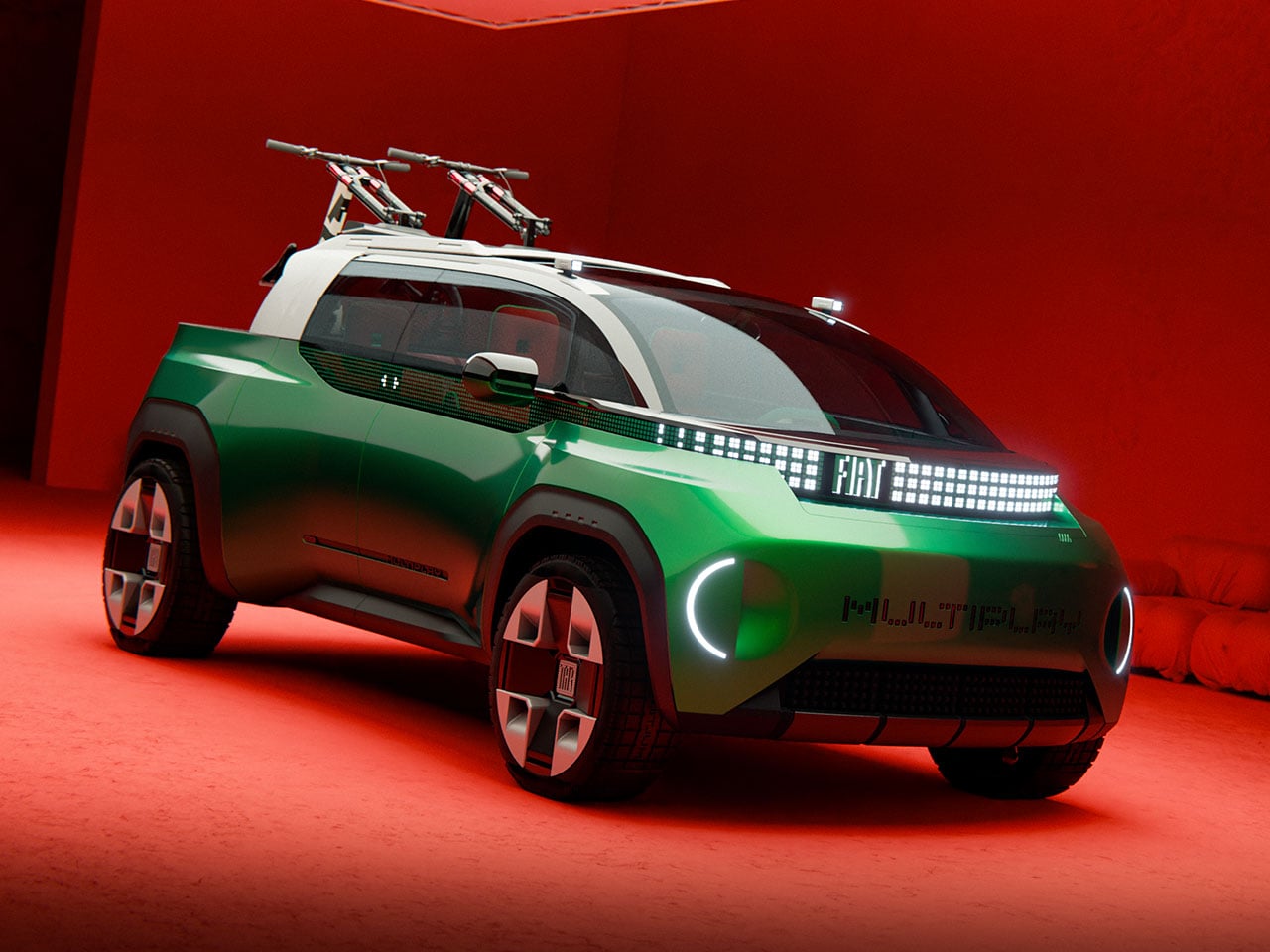
Image courtesy Yanko Design
How consumer brands can partner with a car like this
A vehicle that changes shape gives partner brands something they rarely get from a static product: several different moments to join in. A few directions stand out for brands and agencies.
First, partner by use case, not by logo. The Multiplay has natural scenes: the bike weekend, the beach day, the pet trip, the long school run, the parked chaise longue. Outdoor, sports, pet care, travel and family brands can each own one of those scenes with a genuinely useful product, such as a bike-rack-ready cycling kit, a pet-travel line that fits the Petsenger, or a picnic set built for the open bed. The best collaboration is one the car cannot do alone.
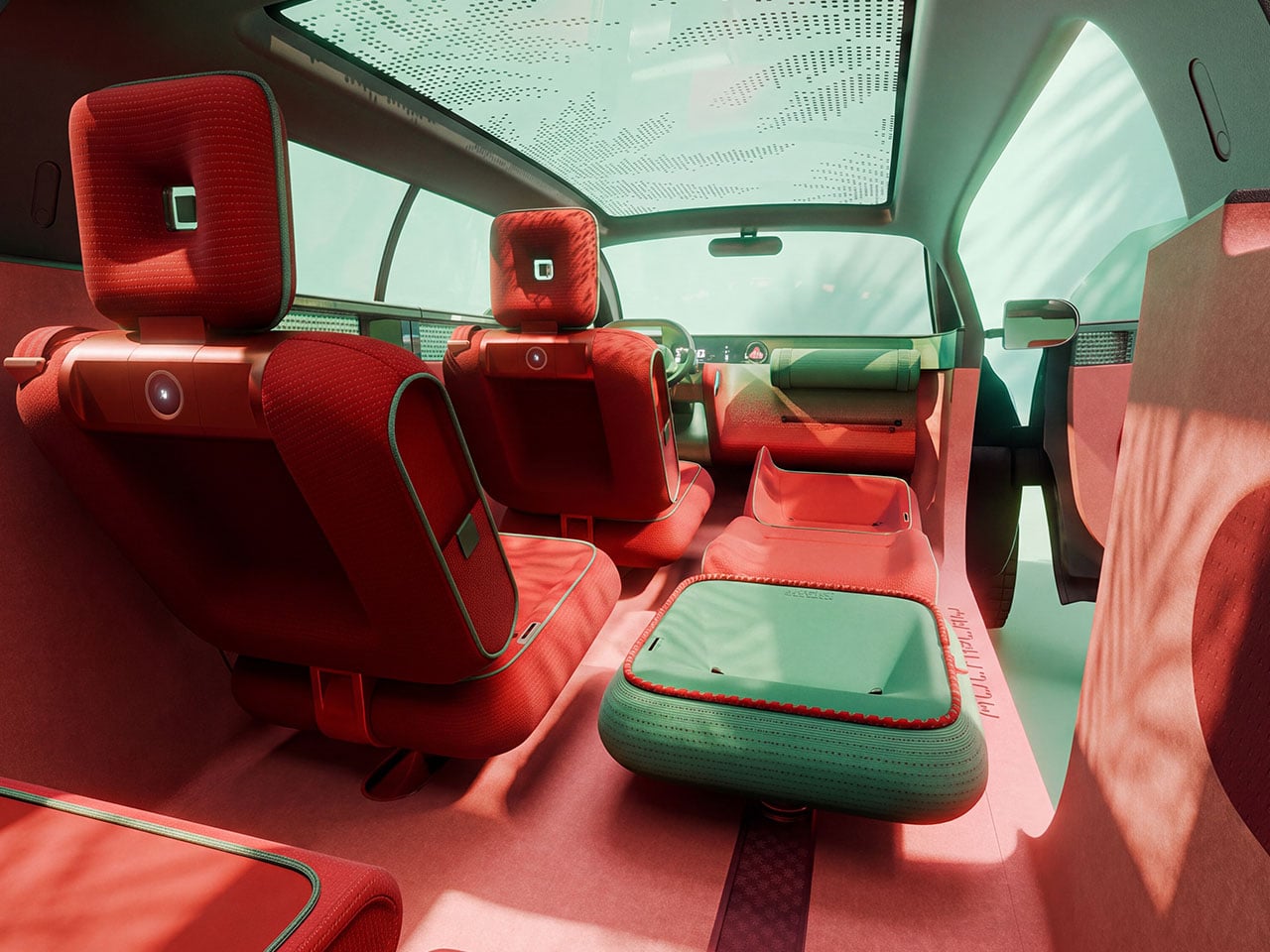
Image courtesy Yanko Design
Second, co-design the materials. The monomaterial knit interior and waterproof finishes create room for fashion, homeware and sustainability brands to co-create fabrics and capsule items that live in the car and outside it. A matching collection of bags, blankets or pet gear turns a concept's colour story into something people can buy.
Third, build content around flexibility. A car that changes layout is a naturally visual story, and a transformation is a better film than a spec sheet. Brands can use it to show their own product adapting to a day, whether that is a snack, a speaker, a stroller or a camera.
Fourth, think in rituals, not impressions. The Sunseat is a moment of rest. Wellness, audio, reading and coffee brands can attach to that pause in ways that feel earned instead of intrusive.
One caution applies. Because the Multiplay is a concept, any partnership right now should be framed as exploring ideas with Fiat's "laboratory," not as a promise of a product on sale. The value for partners is in being part of how the idea develops.
The takeaway
The Multiplay is a reminder that flexibility and affection can be the same thing. A car that rearranges itself for children, pets, bikes and a quiet afternoon is a car that has listened. Brands that want to work with it, or learn from it, should start by asking the same question Fiat did: what does the day actually look like, and what would it take to make each part of it a little better?
Source: Yanko Design