Photo: Legato
Hearing Tech Is the Quiet Blue Ocean, and Legato Just Hid It Inside a Pair of Glasses
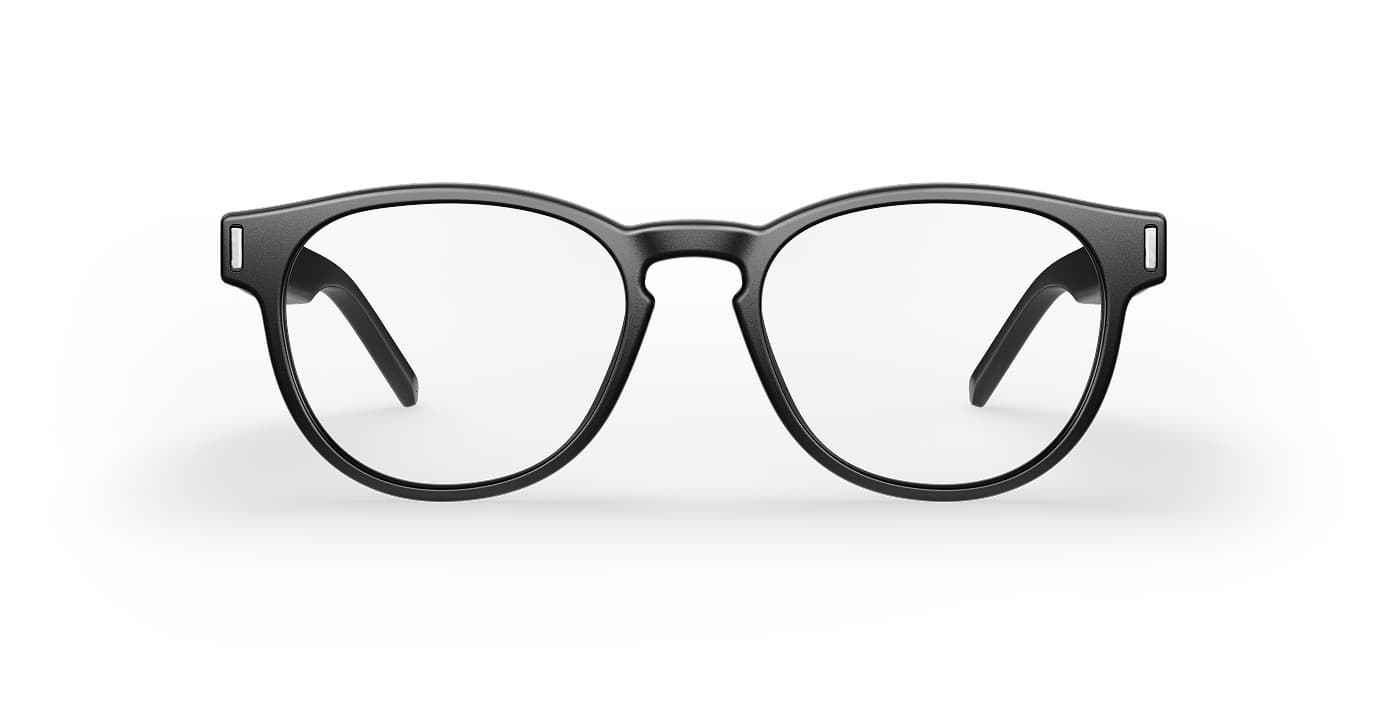
The most interesting thing about Legato Frames is what you can't tell by looking at them. They look like a pair of glasses. They happen to be hearing aids.
Legato, a startup founded in 2024, has just launched an AI-powered hearing product built into the arms of eyewear. The Frames are aimed at adults with up to moderate hearing loss and start at $999. They weigh 34 grams with lenses, run for 10 to 12 hours on a charge, come in three styles, take prescription lenses and stream audio over Bluetooth. The company says it is going after the three things that keep people away from traditional hearing aids: cost, comfort and stigma.
That last word is the real market insight. Hearing is one of those categories where the technology has often been ahead of the willingness to use it. Plenty of people who could benefit from help put it off, partly because a hearing aid announces something about you that you may not be ready to announce. Eyewear has solved that problem before. Nobody thinks twice about glasses, because they stopped being a medical device a long time ago and became an accessory. Legato is borrowing that cultural permission, and it is smart because it doesn't ask the user to change their identity. You just put on your glasses.
Enjoying this? Get new articles by email.
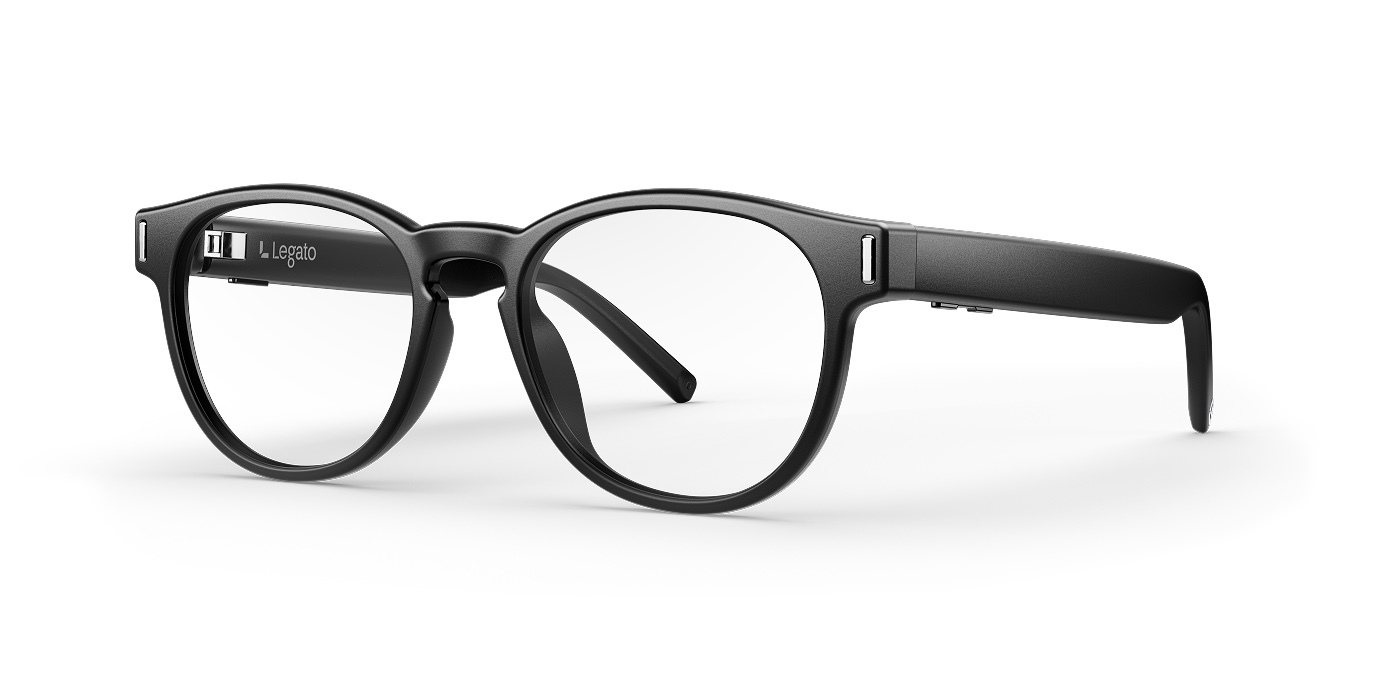
Photo: Legato
The technology is where it gets properly interesting, and where the AI argument earns its place. Traditional directional-microphone hearing aids tend to struggle in noisy rooms, which is exactly where people need help most: restaurants, family dinners, busy streets. Legato takes a different approach, using an AI system that separates voices from background noise, amplifying speech and reducing the rest. All of that processing happens on the device, with no cameras and no recording, which matters a great deal for a product people will wear on their face all day. A dual-speaker design aims sound at the wearer and, the company says, cancels 99 percent of what escapes near the ear, so the people around you don't hear your audio.
It also helps that the founders have done this before. Mehul Trivedi led the creation of Bose Frames and later worked on Meta's Ray-Ban glasses at EssilorLuxottica. Steve Romine ran Bose's hearing aid division. The company has raised $12 million from Neotribe Ventures, Listen and Village Global. That is a team that understands both halves of the problem: how to put audio technology into eyewear, and how hearing care really works.
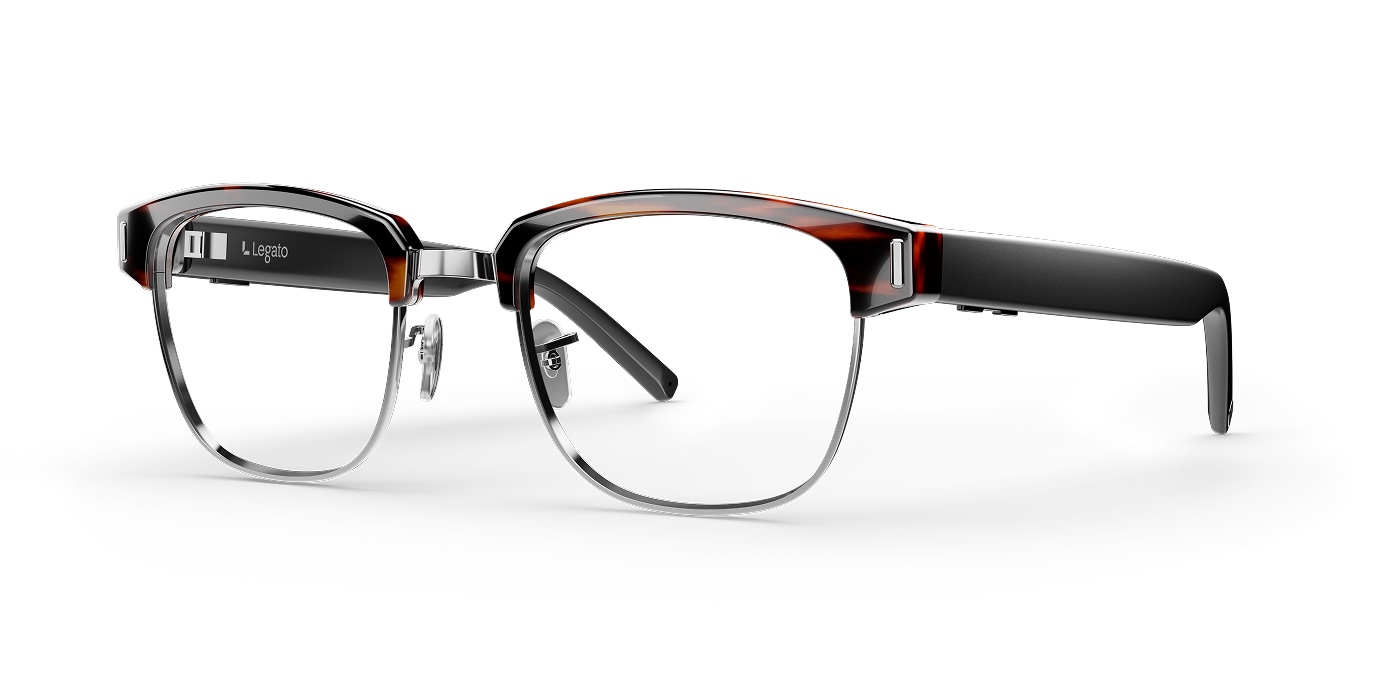
Photo: Legato
Here is why this matters beyond one startup. Health technology is arguably where AI has the clearest chance to earn its keep. In a lot of AI product launches the benefit is vague, a faster draft or a slightly smarter feed. Here the benefit is concrete and personal: a person can follow a conversation again. There is a wider knock-on effect, too. Anything that makes everyday life less tiring eases pressure on the people around the patient, from family members repeating themselves to clinicians who have more demand than time. Technology that fits into daily routines, instead of asking people to visit a clinic every time, spreads some of that load.
For brands, the lesson is less about hearing and more about where to look. Legato found a category with real need, entrenched stigma and clunky products, and then asked what object people already wear without embarrassment. The answer was the thing already sitting on their nose. Brands in eyewear, audio, fashion, wearables, even insurance and retail can ask the same question: which everyday product could quietly carry a helpful technology? The most promising partnerships here are collaborations across sectors, where a company with design credibility and distribution teams up with one that has the technical depth. The winning products will probably be the ones that don't feel like health products at all.
The broader pattern is worth borrowing. Don't build technology and then hunt for a reason to wear it. Start with a daily frustration, pick a form people already trust, put the intelligence inside and keep the privacy promise simple. The best health tech might be the kind nobody notices you wearing.
Source: TechCrunch