Photo: Motorola / Yanko Design
Bang & Olufsen Just Put Its Name on a Camera Bump. That's the Whole Strategy.
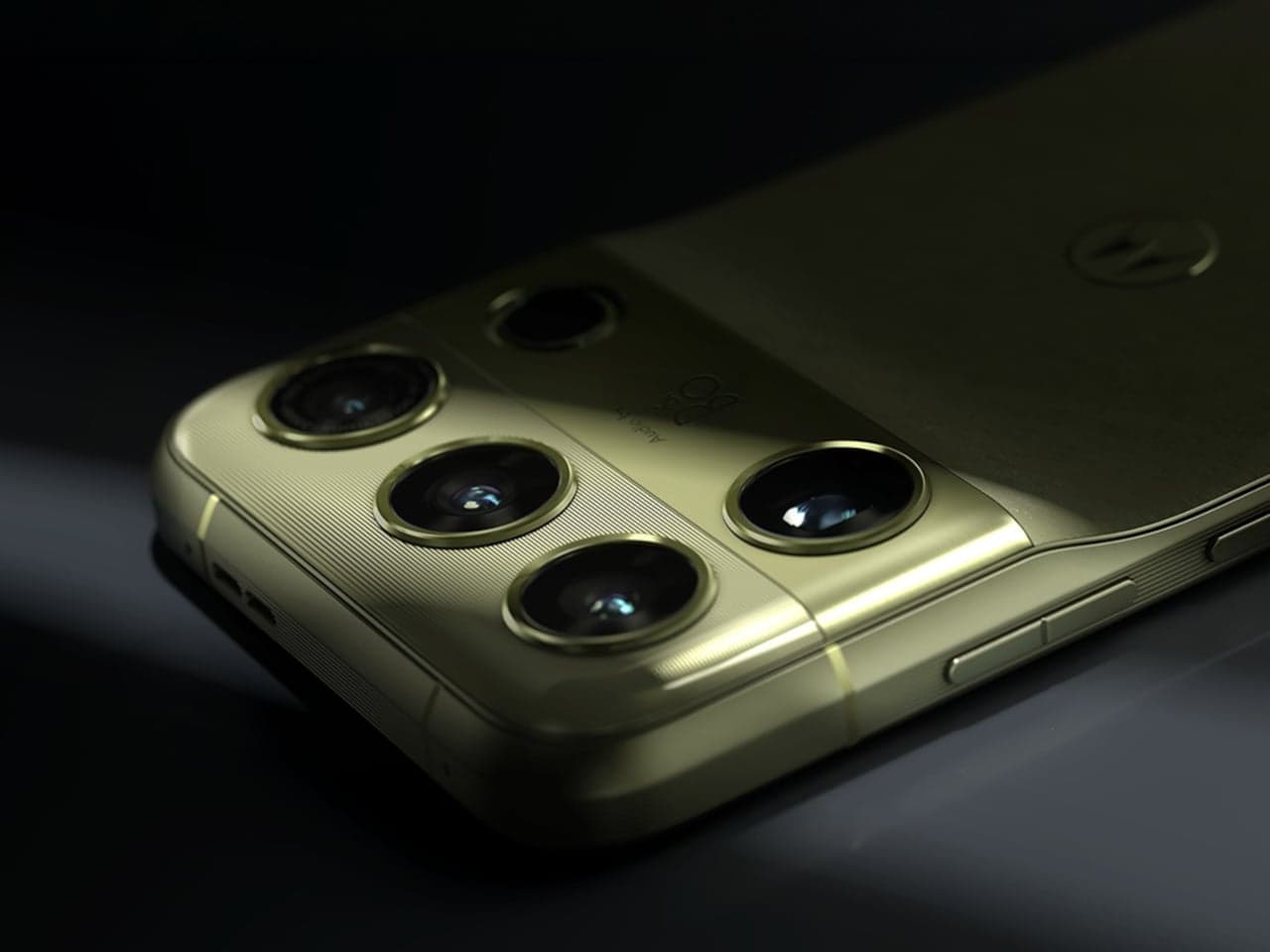
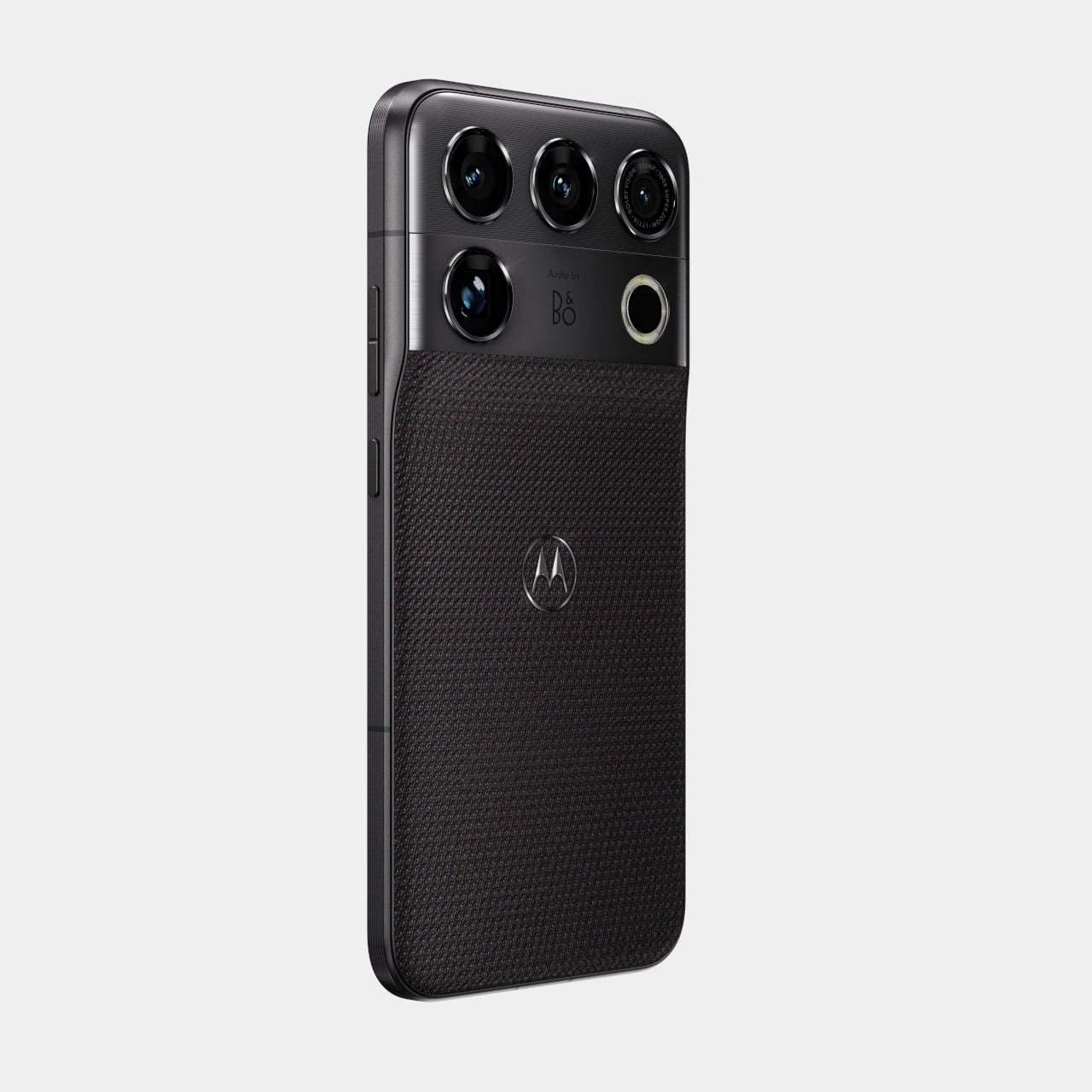
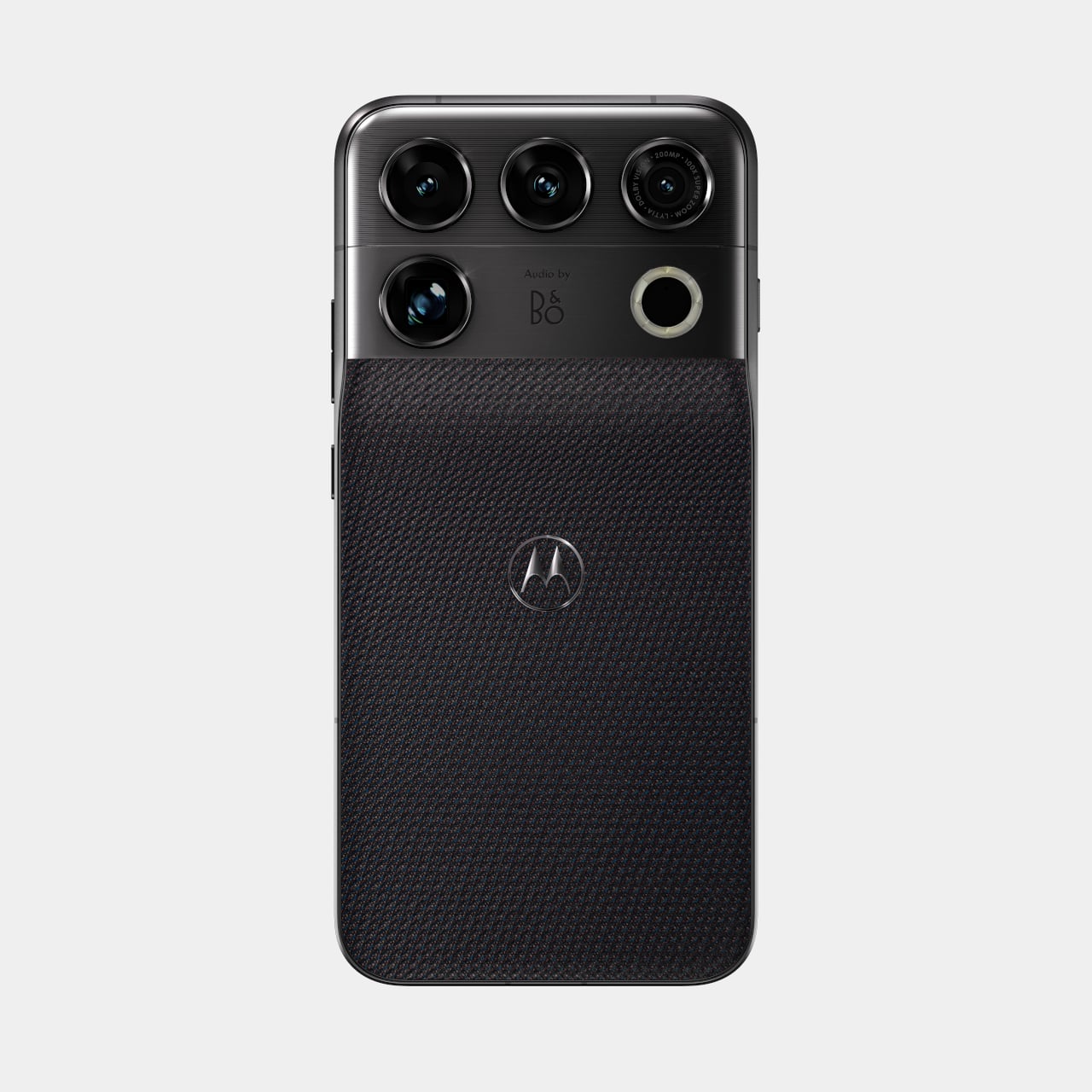
For decades, Bang & Olufsen has built its identity around one very specific promise: sound so precise it belongs in a museum before it belongs in your living room. So it's worth pausing on the detail that, on Motorola's new Signature 27, the B&O wordmark isn't tucked inside a settings menu or printed on a speaker grille. It's stamped directly onto the camera module — the single most photographed, most scrutinized part of any modern phone.
That's not a small design decision. It's a statement about which features a phone-buying audience is trained to actually look at, and B&O just bought itself real estate in the middle of it.
The Signature 27 itself, unveiled at Snapdragon Summit as the first product of a multi-year Motorola partnership, is a genuinely serious flagship on paper: a Snapdragon 8 Elite Extreme Gen 6 chip, a cooling system layering diamond-infused gel, liquid metal and copper mesh, a 50-megapixel Sony main sensor paired with a 200-megapixel periscope lens, and Google's Gemini Omni and Lyria baked in for on-device photo, video and music generation. Motorola also quietly retired its old naming scheme in favor of a year-dated system — the "27" refers to 2027, not a sequential model number — explicitly framed as "one flagship a year, clearly dated, without guesswork." That's its own small piece of brand discipline, the kind that makes a product line legible instead of a soup of numbers nobody remembers.
Enjoying this? Get new articles by email.
But the interesting brand story isn't the chipset. It's what B&O is doing by attaching its name to hardware that has nothing to do with sound.
Images courtesy Yanko Design
Bang & Olufsen has spent a long time being, quite deliberately, a pure brand — a name that means one thing, extremely well: audio as craft, as furniture, as something you'd photograph in a design magazine rather than a spec sheet. That kind of narrowness is a strength right up until it becomes a ceiling. A brand that only ever shows up in speakers and headphones is a brand that most people encounter rarely, and remember as a luxury category rather than a daily habit. Putting the wordmark on a camera — the part of a phone people touch, photograph, and post about constantly — is B&O trading a sliver of that purity for something it can't buy any other way: daily, visual, tech-forward presence in a category it doesn't make hardware for at all.
This isn't a first move for the Danish brand, either, which is exactly what makes it strategically coherent rather than opportunistic. B&O has spent years building out automotive audio partnerships — its 3D sound systems are a signature option across Audi's lineup, it partners with Mercedes-AMG on in-car audio and video, and it's worked with Acura across future model lines. In every one of these, the pattern repeats: B&O doesn't build the car, the phone, or the chip. It lends a very specific kind of credibility — that sound, done properly, is worth treating as a headline feature rather than a bullet point — to categories that would otherwise never carry its name. Motorola gets to borrow decades of audiophile trust it could never build alone. B&O gets to be present in the pocket of someone who will never buy a $2,000 speaker, and gets logged, subconsciously, as a brand serious enough to be trusted near a flagship chipset and a 200-megapixel lens.
Images courtesy Yanko Design
That's the real ambition sitting underneath this partnership: B&O isn't just licensing its name for a speaker driver. It's quietly repositioning from "the audio brand" to something closer to "the brand you call when a category wants to prove it's taking a specific dimension of quality seriously" — sound in a car, sound in a phone, and, eventually, probably sound somewhere nobody's expecting it yet. Each new category the badge appears in makes the next one feel less surprising, which is exactly how a niche, precision-built reputation gets converted into broader relevance without diluting into generic premium-ness.
The lesson for brands watching this, especially ones sitting on a narrow but genuinely earned specialism, is less about phones and more about restraint and placement. B&O didn't rebrand, didn't chase a new logo, didn't try to become a tech company. It found the one detail inside someone else's product that its own reputation could credibly anchor, and put its name exactly there — visible, specific, impossible to mistake for decoration. That's a much harder discipline than co-branding everything you can get a deal for: knowing precisely which single feature is worth lending your name to, and having the confidence to stay quiet everywhere else.
Sources: Yanko Design, Bang & Olufsen — Audi partnership, Bang & Olufsen — Automotive partners