Photo: Plaud
Plaud's New AI Earbuds Want to Write Your Emails While You Nod Along in Meetings
Full transparency up front: if the Plaud One shipped in a color that didn't look like it escaped from an airport lost-and-found bin, and cost meaningfully less than a nice pair of noise-cancelling headphones, I would very likely already own one. This review comes from someone who has genuinely lost minutes of their one wild and precious life searching for the "so, next steps are..." recap email after a call. Bias disclosed. Moving on.
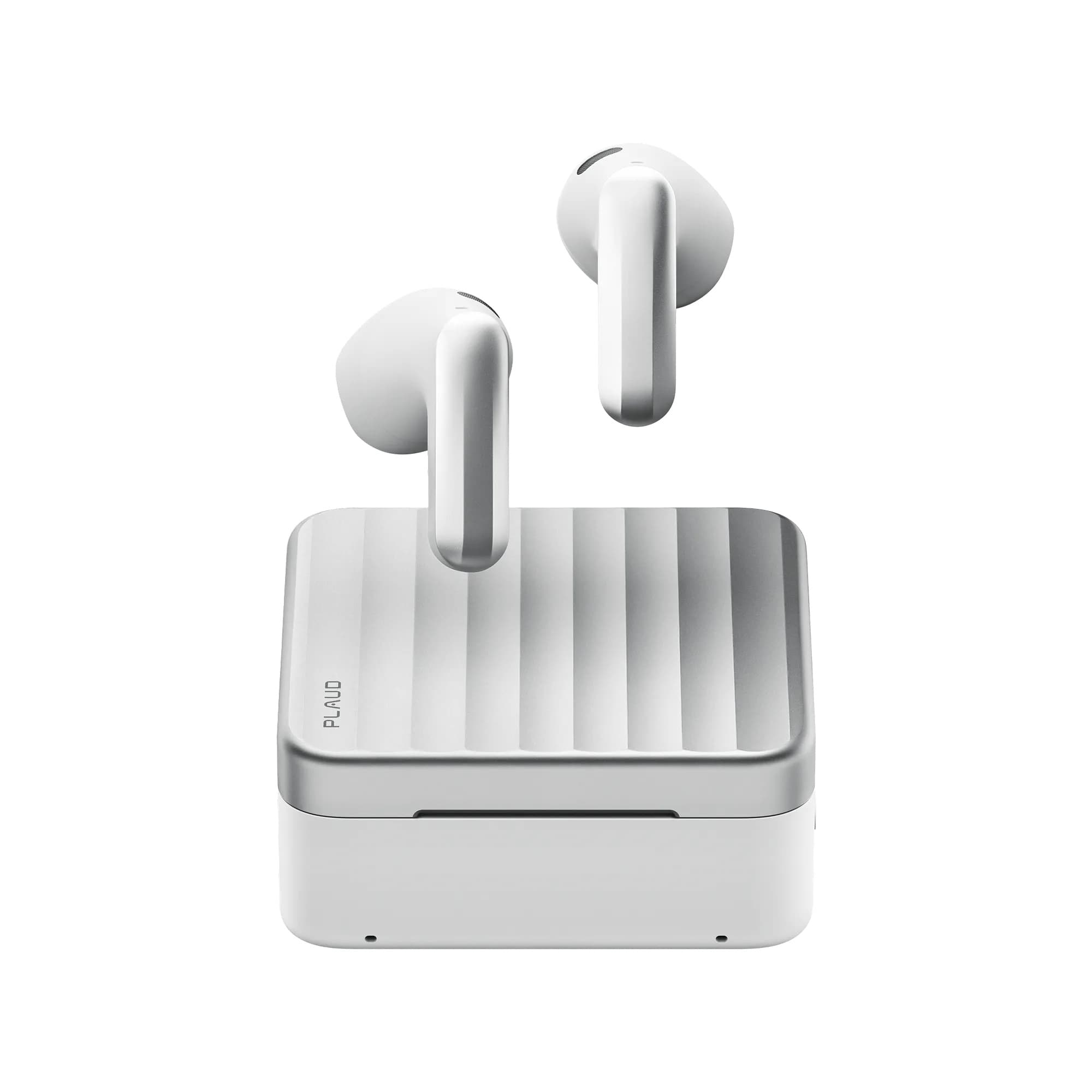
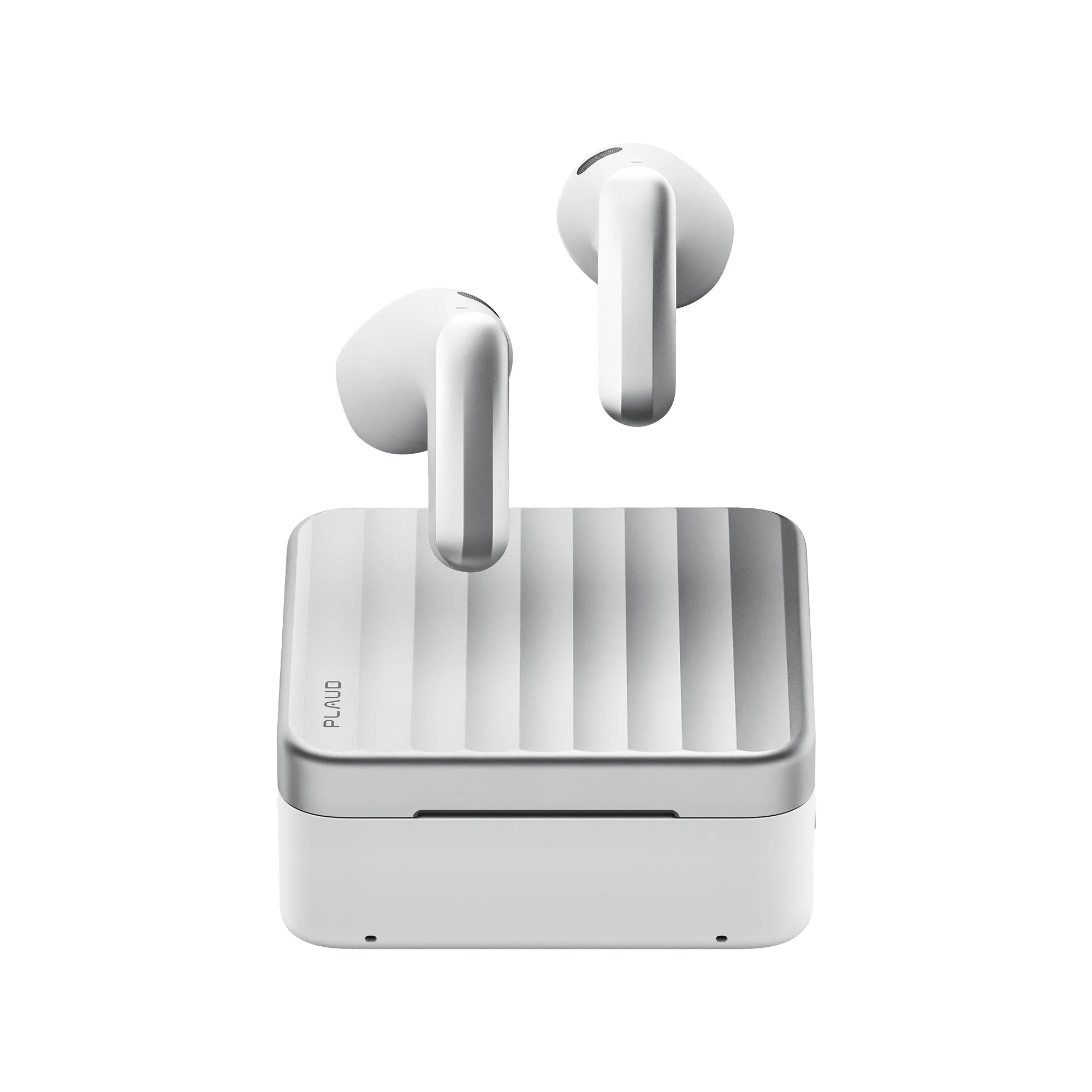
Unveiled at IFA 2026 for €249.90, the Plaud One is a set of AI earbuds built around a genuinely clever premise: instead of just recording a meeting and handing you a transcript afterward — which is what Plaud's earlier devices (the Note, the Note Pro, the NotePin S) did quite well, building a 2.5-million-user base and reportedly crossing $100 million in annual software revenue along the way — this one keeps working after the meeting ends. Hold the agent button, and the AI doesn't just summarize what was said; it drafts the follow-up email, builds the slide deck, and drops the finished file straight into whatever workspace tool you already use, no copy-pasting required. The charging case itself carries its own cellular connection, so it can keep listening and responding even with your phone left in another room entirely.
Enjoying this? Get new articles by email.
Photo: Plaud
Set the humor aside for a second, because the actual shift here is a genuinely important one for anyone drowning in daily admin. Most productivity tools before this generation of AI assistants have been reactive: you do the work, then the tool helps you organize or search through it afterward. Plaud One is explicitly betting on the opposite structure — the tool watches the work happen in real time and starts producing the output before you've even opened your laptop. That's a meaningful difference for anyone whose actual job is packed with small, repetitive, time-eating tasks stacked on top of the "real" work: chasing meeting notes, drafting the same three sentences of a follow-up email a dozen times a week, turning a rambling call into something presentable enough to send up the chain. Removing that layer doesn't just save minutes — it protects the actual attention and energy that gets quietly drained by admin long before the important work even starts.
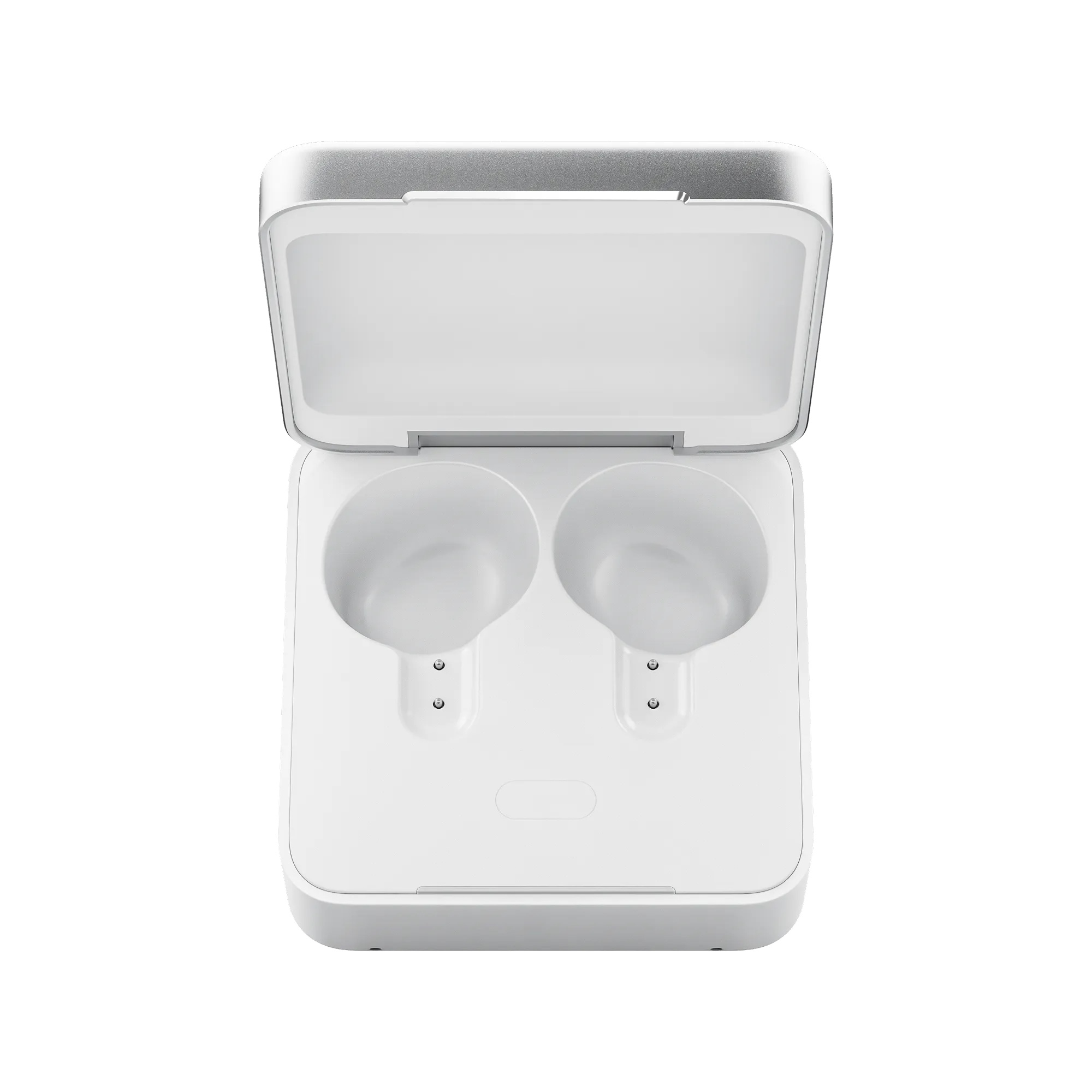
Photo: Plaud
There's also something worth noticing in how deliberately Plaud designed the object itself, rather than treating it as disposable hardware wrapped around a software subscription. The case borrows the vertical fluted-metal look of premium hard-shell luggage, giving a 62-gram object a sense of density and intention it has no obvious reason to carry, and it's styled closer to a small jewelry box than a gadget charger. That's not incidental — a device meant to sit visibly on a desk, in meetings, in cafes, has to earn the right to be looked at, not just used. Good industrial design here isn't decoration; it's doing real work convincing you the object deserves a permanent place in your daily setup rather than a drawer.
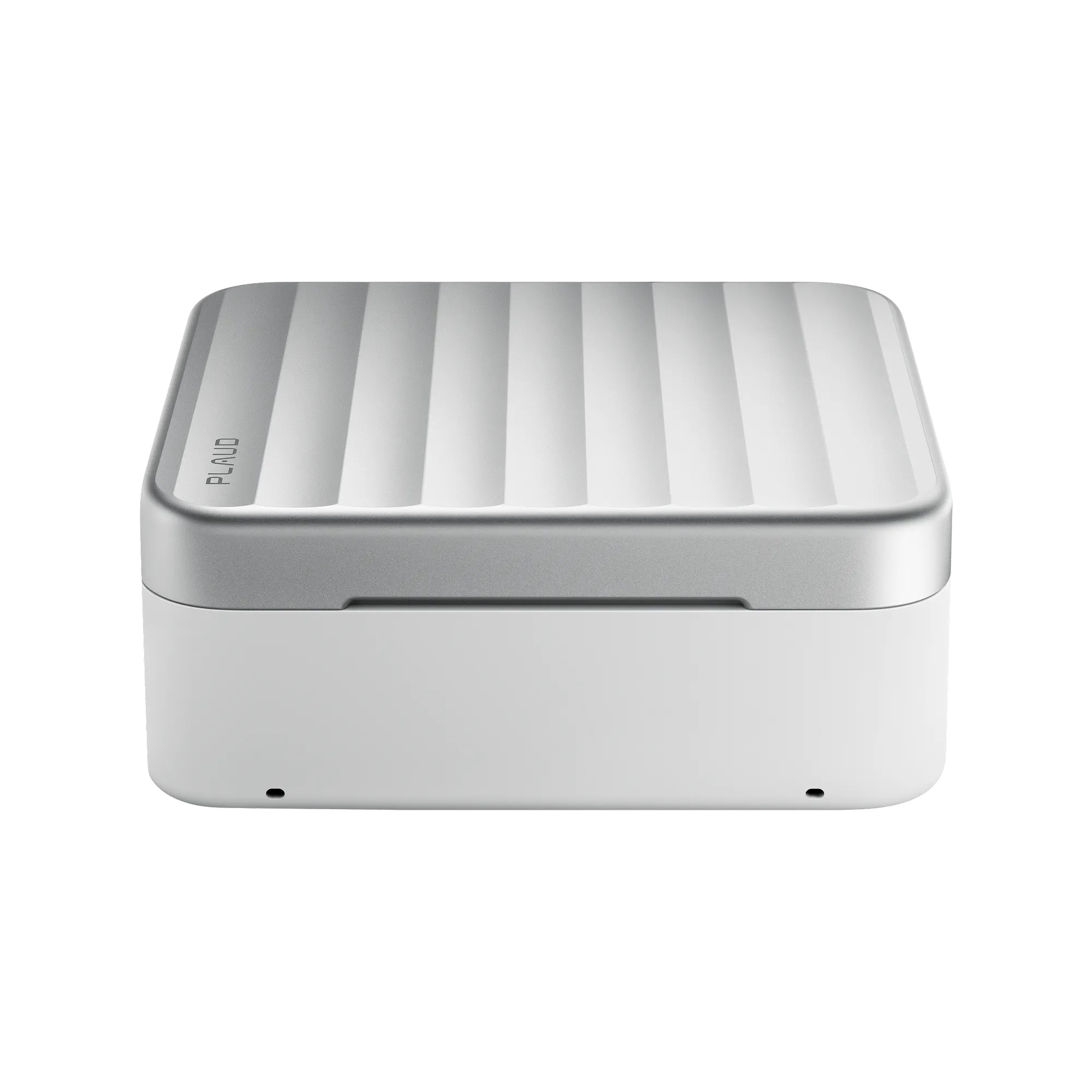
Photo: Plaud
None of that changes the two honest reservations worth naming plainly. First, aesthetics: a genuinely well-designed object should feel considered in more than one direction, and a device this central to someone's daily workflow could stand to offer more than a single, somewhat severe finish — more color and material options would go a long way toward making this feel personal rather than merely premium. Second, and more bluntly: €249.90 for an "Explorer Edition" that's explicitly described as an early, limited beta is a genuinely steep ask before the software has proven itself at scale, especially with a wider public release not landing until 2027. Plaud is asking early adopters to fund the polish, which is a fair trade for genuine enthusiasts, and a harder sell for everyone else waiting to see if this becomes essential AI productivity gear or just an expensive transcription gadget with ambition.
Would I, personally, sprint toward the pre-order page the moment the price drops and the colorways expand? Unquestionably, immediately, no further debate required. Until then, I remain a deeply interested bystander — cheering for a future where my meetings write their own homework, patiently waiting for that future to also fit my actual budget.