Photo: Yanko Design
One Table, Three Games: The Dining Table Is Finally Learning to Play
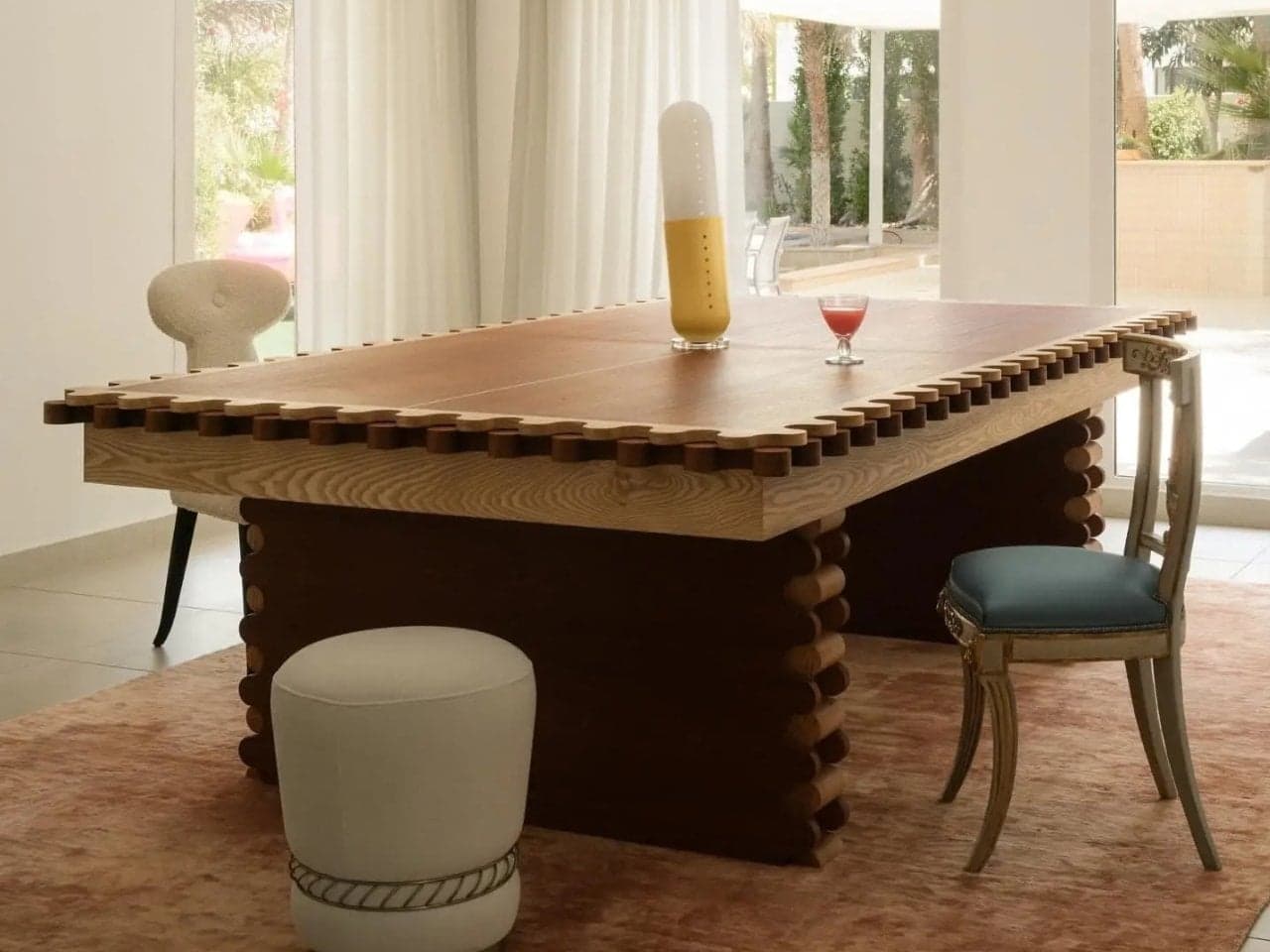
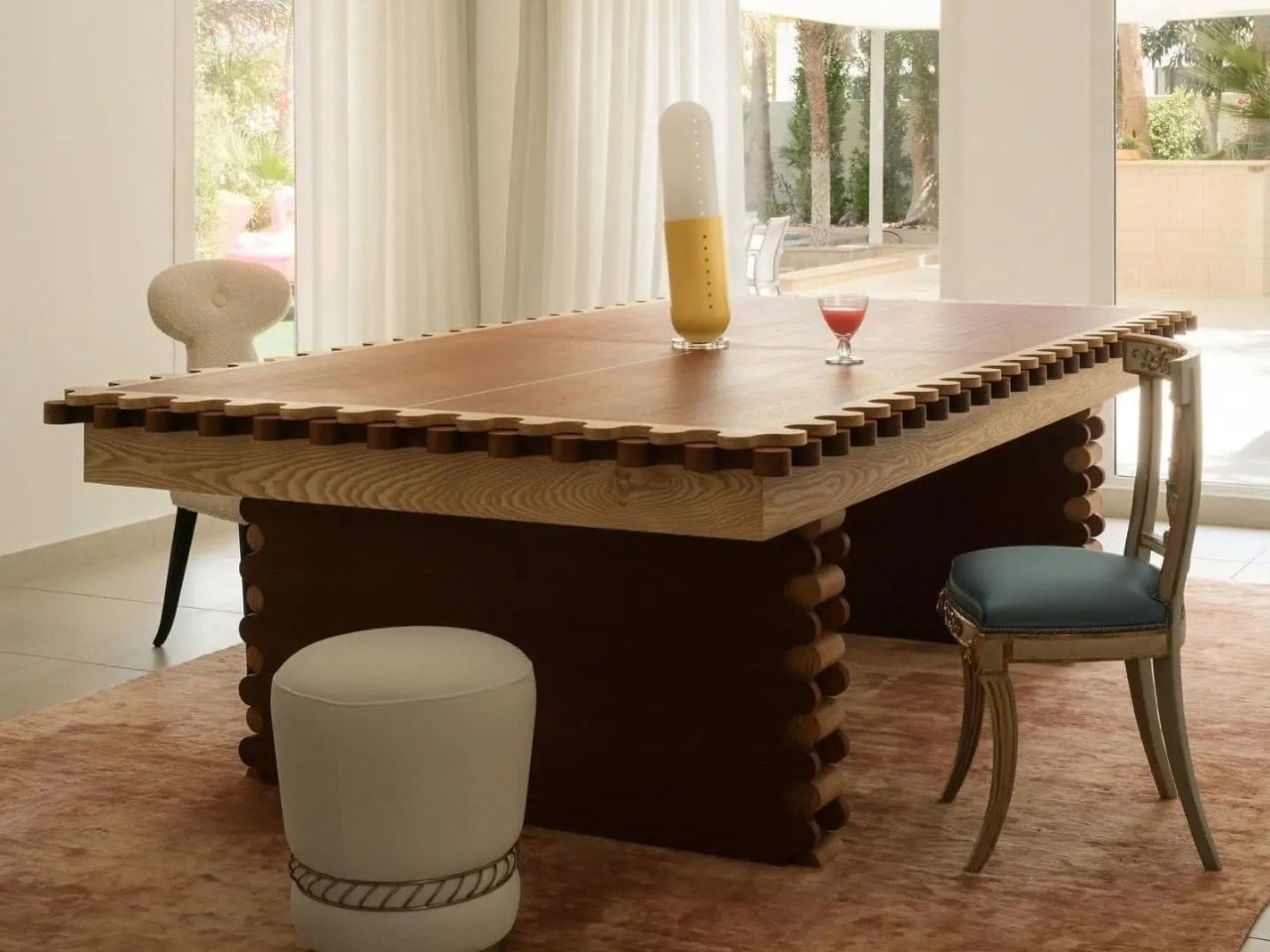
Sanne's Department of Play has built a dining table that spends its evenings living a double life. By day, or whenever company comes over for a meal, it is a mid-century-style table in walnut with ash detailing, sturdy enough to anchor a room and handsome enough that nobody would guess what it's hiding. Lift the tabletop, and underneath is a felt-lined pool table, its surface finished in a rust-orange felt that reads more like a design choice than a sports accessory. Swap again, and a cane-and-leather net rises across the middle, turning the same footprint into a ping pong table, complete with hand-painted paddles that look like they belong in a gallery case rather than a rec room.
It is a clever answer to a problem a lot of design has been circling for years: small homes don't have room for single-purpose furniture, especially furniture as large as a game table. A pool table alone can eat an entire room. A ping pong table demands even more clearance. Most households never seriously consider either, not because they wouldn't enjoy them, but because the square footage math never works. Sanne's answer is not to shrink the games, but to let them borrow a room they were already going to have anyway: the dining room.
Enjoying this? Get new articles by email.
Photo: Yanko Design
That is the more interesting idea sitting underneath the obvious party trick. Multi-function furniture usually makes a compromise visible: a sofa bed that is a mediocre sofa and a mediocre bed, a desk that folds into a mediocre shelf. The 3-in-1 Table is working against that reputation by refusing to look like a converted anything. The walnut base and ash trim are proportioned like real dining furniture, not like a games table wearing a disguise. The pool surface's felt color and the ping pong net's cane-and-leather construction were clearly chosen to match a home's existing material language, not to shout "game room" the moment they appear. If you walked past it mid-conversion, your first read would probably be "beautiful table," not "secret pool table."
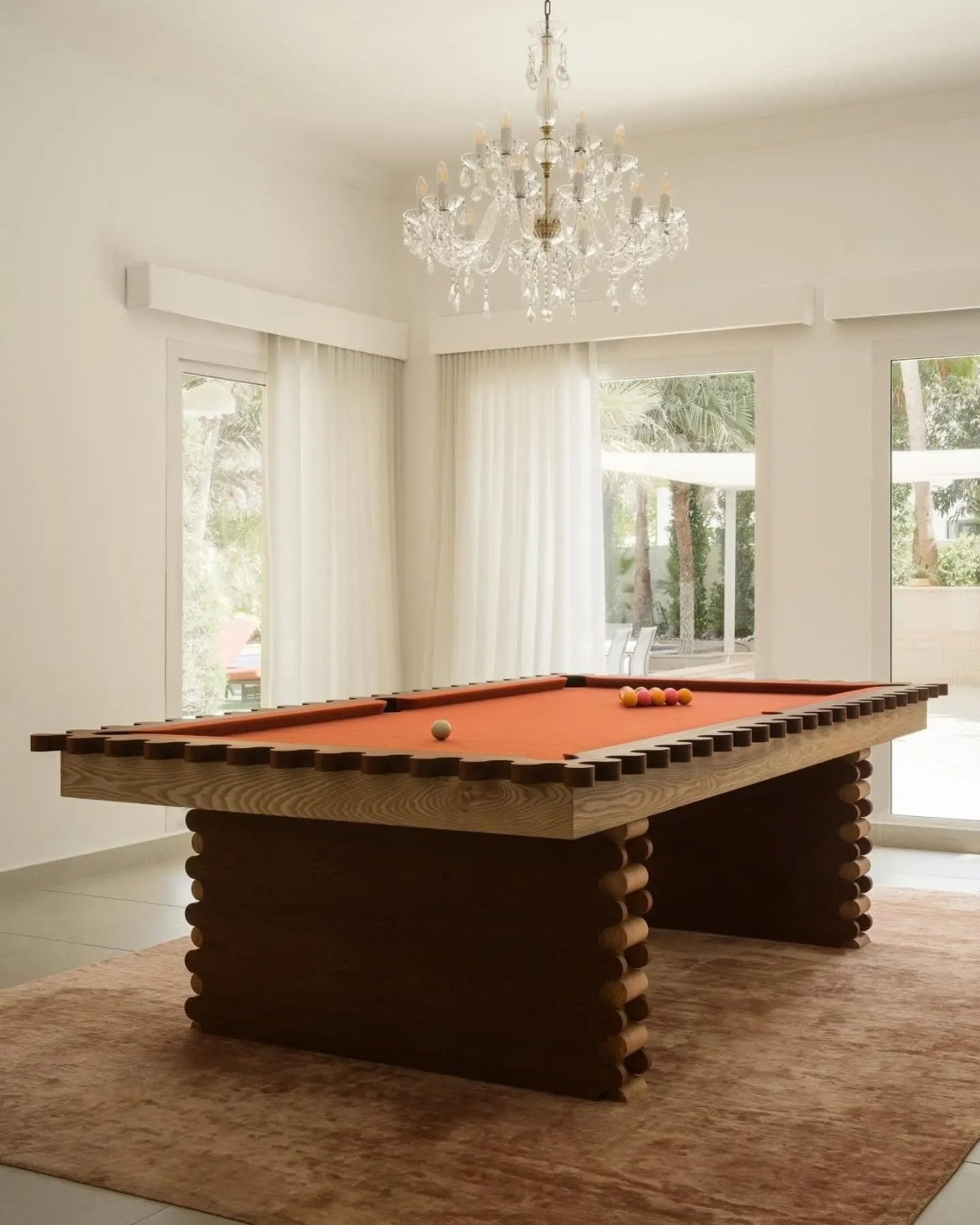
Photo: Yanko Design
The ping pong conversion is where the design restraint shows most. A net and a couple of paddles are the easiest part of any table-tennis setup to make ugly, all bright plastic and primary colors. Sanne's paddles are hand-painted, more object than equipment, the kind of thing you'd be fine leaving out on a shelf between matches instead of stuffing into a drawer. It's a small detail, but it says something about who this table is actually for: not a dedicated arcade room, but a home where the dining table is expected to pull real design weight even when nobody's eating at it.
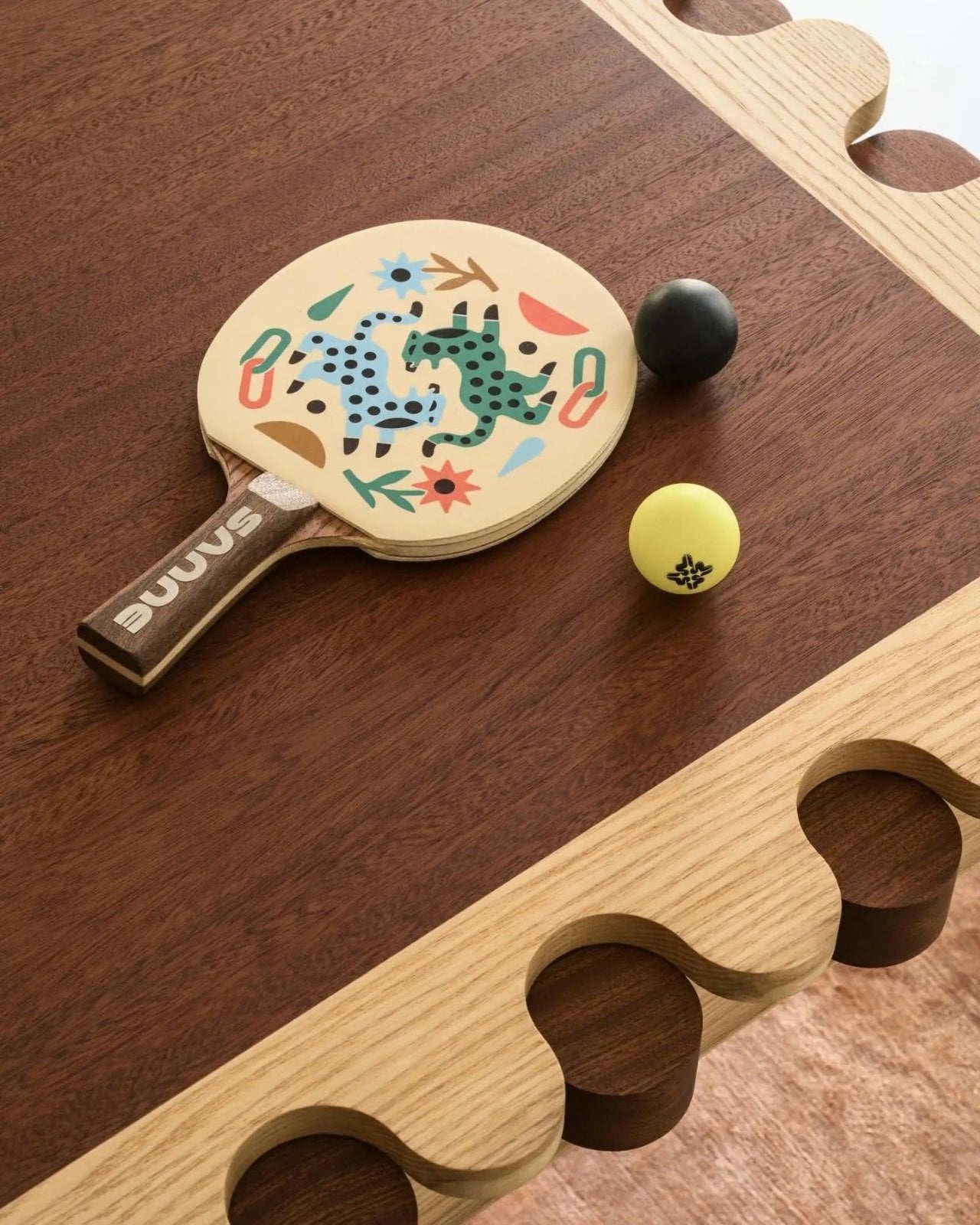
Photo: Yanko Design
Priced between $7,500 and $12,500 depending on configuration, this is not a budget solution to small-space living, and it won't need to be for the idea behind it to matter. The real signal is what it says about where designers think demand is heading: not toward bigger homes with dedicated game rooms, but toward fewer, smarter pieces of furniture that can do more than one job without looking like they're doing any of them halfway. The dining table was always the piece of furniture every home builds a room around. Sanne's bet is that it can carry a lot more than dinner.
Source: Yanko Design