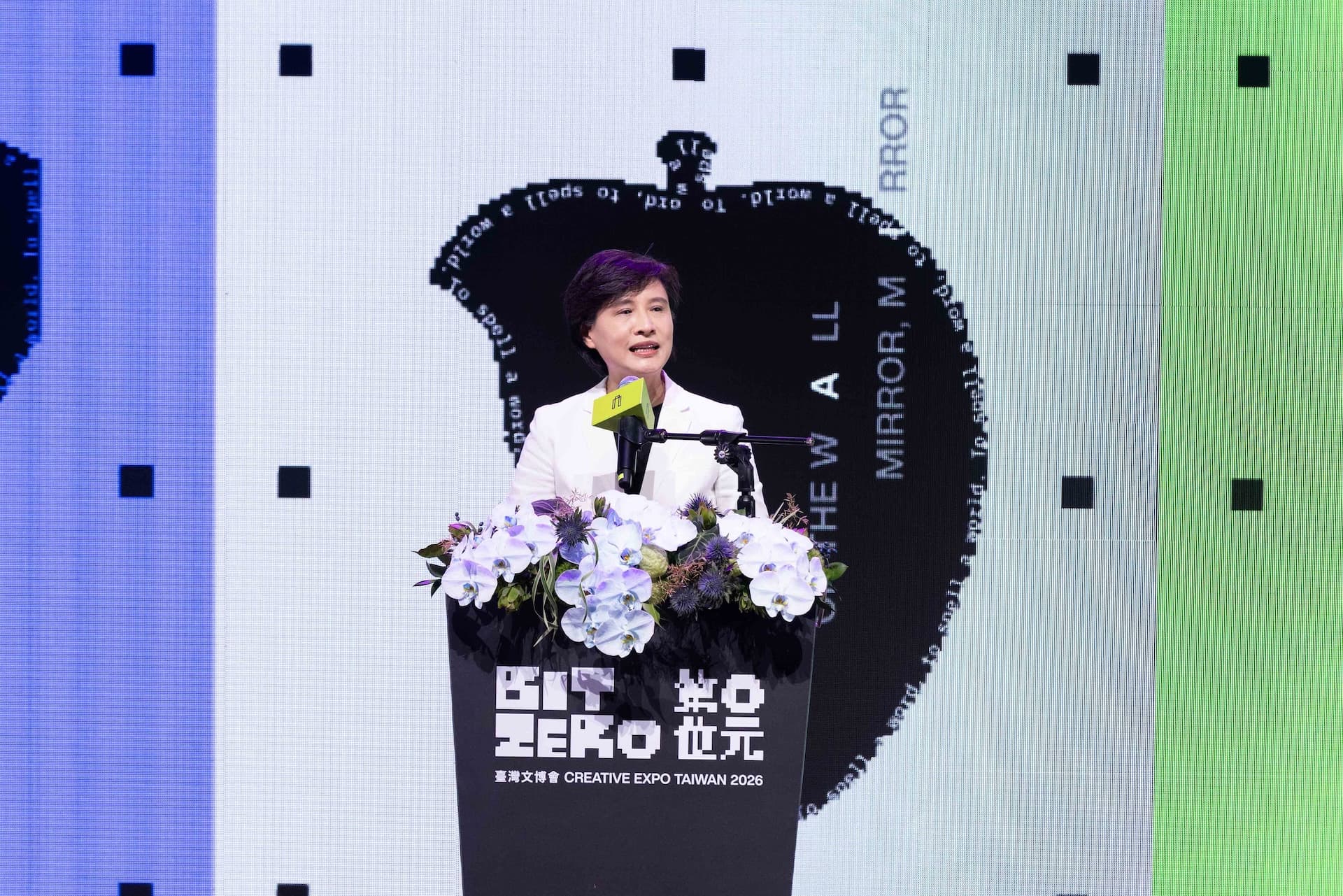
Photo: Taiwan Creative Expo
Taiwan's Biggest Design Fair Asked What's Left for Humans to Make Once AI Can Make Anything
Most design expos are content to show you what's new. The 2026 Taiwan Creative Expo, held across August in Taipei, decided to ask something thornier while it was at it: with AI now capable of generating almost anything on command, what's actually left that only a human hand can still do?
That question, framed under the expo's theme "Bit Zero," ran through both halves of the event — a Cultural Curation Exhibition staged inside a former Air Force command base turned arts complex, and a Creative Brand & IP Licensing Exhibition at Nangang Exhibition Center that pulled in more than 600 brands from Taiwan, Japan, Korea, and Singapore. Together they made a genuinely compelling case for a fair that's been running since 2010: that Taiwanese design's real strength isn't a singular aesthetic, but a consistent willingness to fold cultural diversity, warmth, and emotional openness into everything from an incense holder to a full brand identity.
The cultural exhibition leaned hardest into the AI question directly. One standout installation reimagined an airport security checkpoint to make a simple, pointed argument: travel requires physically moving your own body through the world, and that embodied, effortful experience — not the destination photo — is precisely what no AI can replicate or substitute. Another turned visitors into raw material, recording their voices and converting the frequencies into generated graphics in real time, letting people literally see a version of themselves that a machine had processed but couldn't have invented without them speaking first. A third, staged like a cold data-server room, used blue and orange boxes to visualize something quietly unsettling: how much of a person's essence gets reduced to data points as digital systems learn to read us. None of it lectured. It just kept circling the same idea from different angles — that human presence, human unpredictability, and human effort are the actual raw materials AI still can't manufacture on its own.
Enjoying this? Get new articles by email.
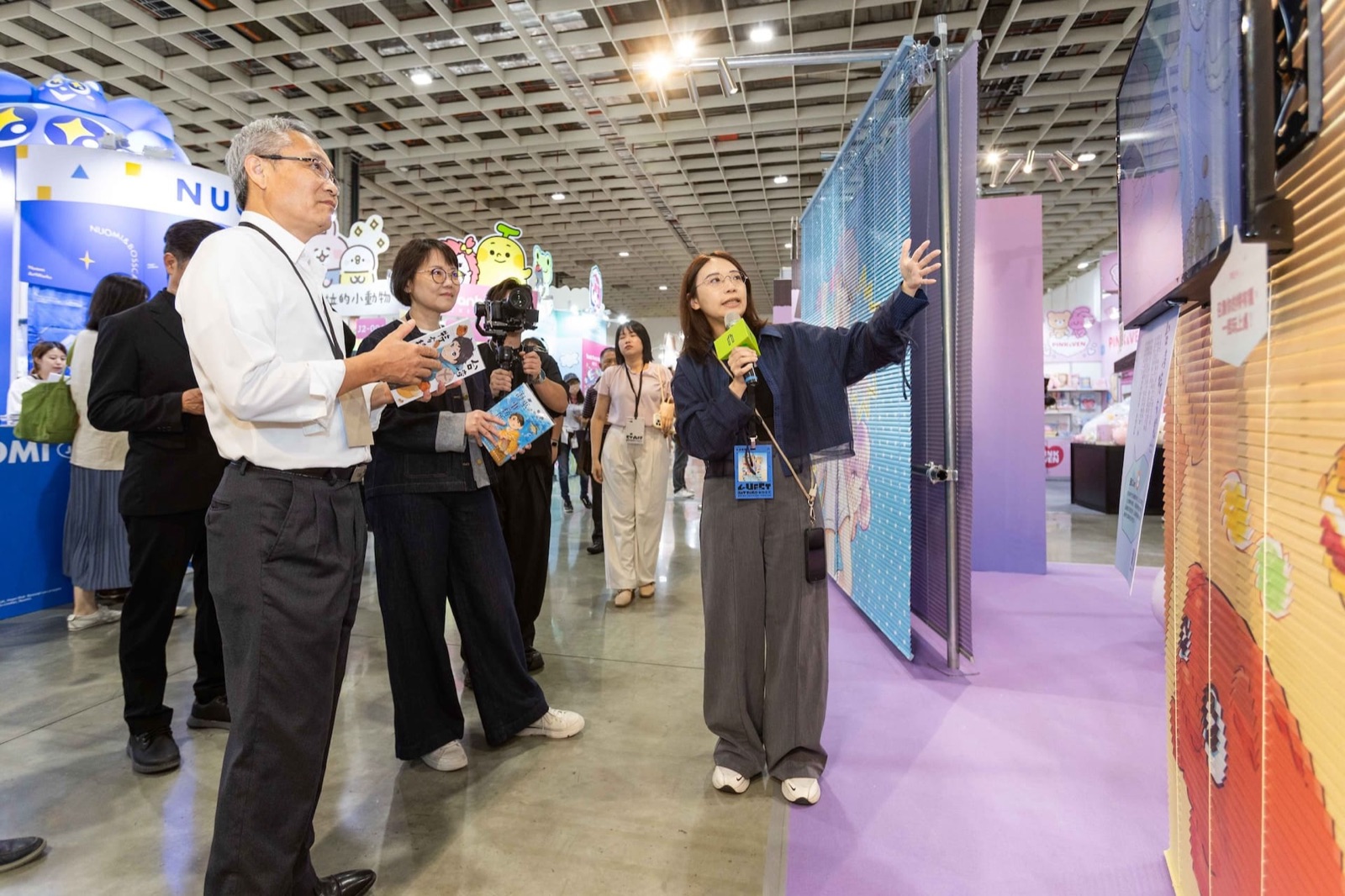
Photo: Taiwan Creative Expo
The brand exhibition made a subtler version of the same case, mostly by just being very good at craft. Taiwanese label no.30, a Good Design Award winner named for zinc's position on the periodic table, builds incense holders and candle stands from cast zinc alloy — deliberately unfashionable material, rounded into forms with genuine daily-life warmth rather than trend-chasing edge. Furniture brand umami, founded in 2024 and named after the Japanese word for savory depth, makes the case that stripping a design down to its simplest form is the actually difficult part — their designer has described the early, complex version of any idea as the easy draft, with real restraint only arriving once the unnecessary has been cut away. Their modular Yy sofa, expandable across three width settings to grow with a family's needs, embodies that same principle: not a fixed object, but a considered system.
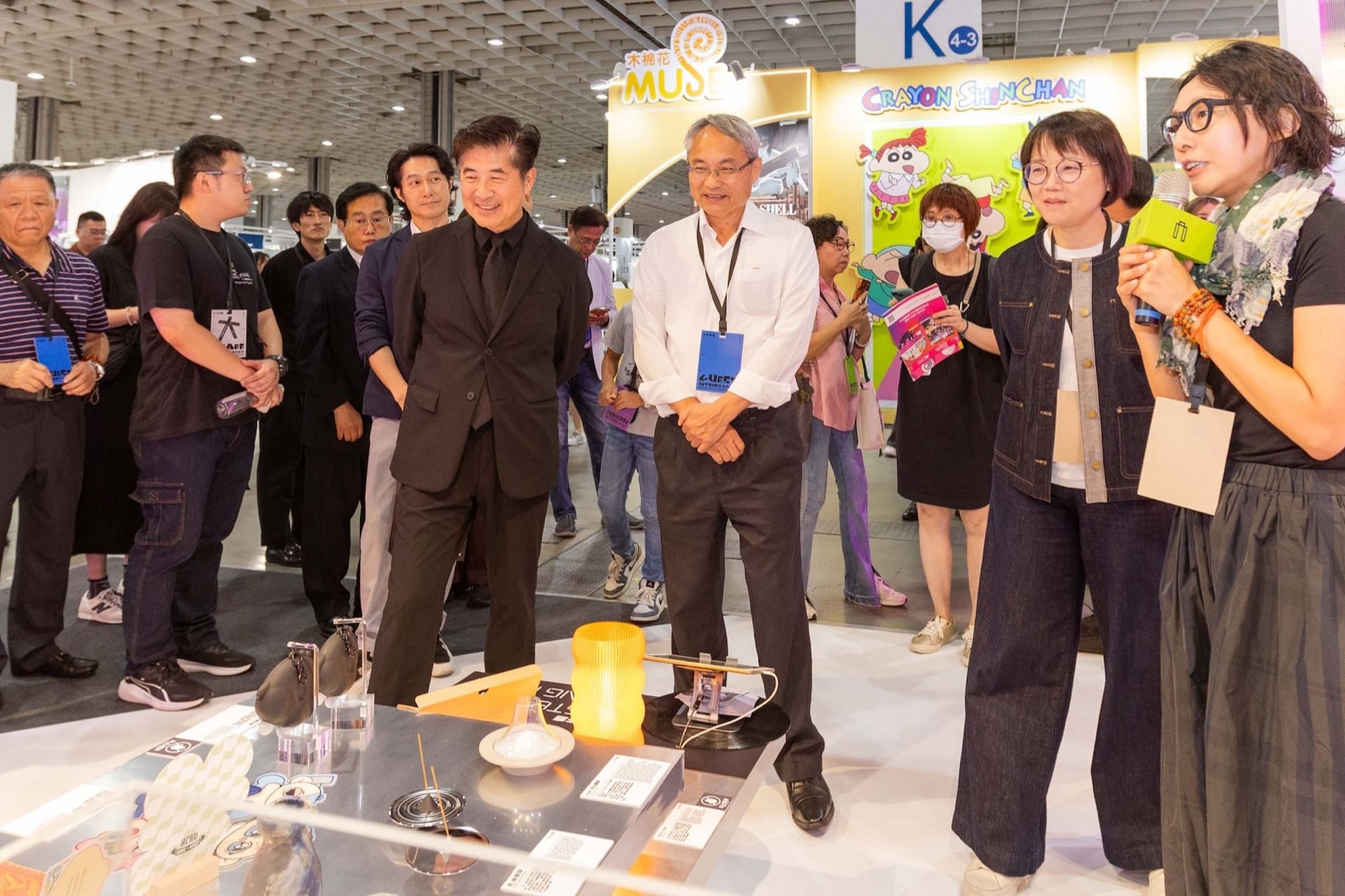
Photo: Taiwan Creative Expo
The most quietly moving story belonged to HUANGS STUDIO, a family-run leather brand that started when a mother's hobby of making leather goods, posted casually on social media, drew enough attention that her children stepped in to help turn it into something real. Their undyed, vegetable-tanned cowhide goods are left deliberately uncoated, so they crack, darken, and pick up the specific wear of whoever carries them — the founders see a finished piece as genuinely incomplete until it's actually been lived with, each mark a small record of that use. It's hard to imagine a more direct rebuttal to synthetic, algorithm-perfect design than a product whose entire value proposition is "it gets more interesting the more human hands touch it."
Japan's KOBE LEATHER made the international thread of the fair explicit, showing pieces made from Kobe beef hides that would otherwise be discarded as meat-industry waste — reworked in collaboration with three separate Taiwanese and Japanese studios into bags and brass-paired accessories, with one leather cooperative's representative expressing hope that this kind of cross-border material collaboration might set a template other regions pick up too.
Taken as a whole, the fair's real achievement wasn't any single object — it was the platform itself, working exactly as intended: pulling craftspeople from four different countries into the same rooms, letting a Taiwanese zinc caster sit two booths down from a Kobe leather cooperative, and giving ordinary visitors, not just industry buyers, a chance to actually handle work that might otherwise never leave a regional trade show. That's a genuinely underrated function for a design fair to serve in an AI-saturated moment: not proving that humans can still out-produce a machine, but making sure the specific, located, hand-touched version of creativity stays visible, exchangeable, and worth showing up for in person.