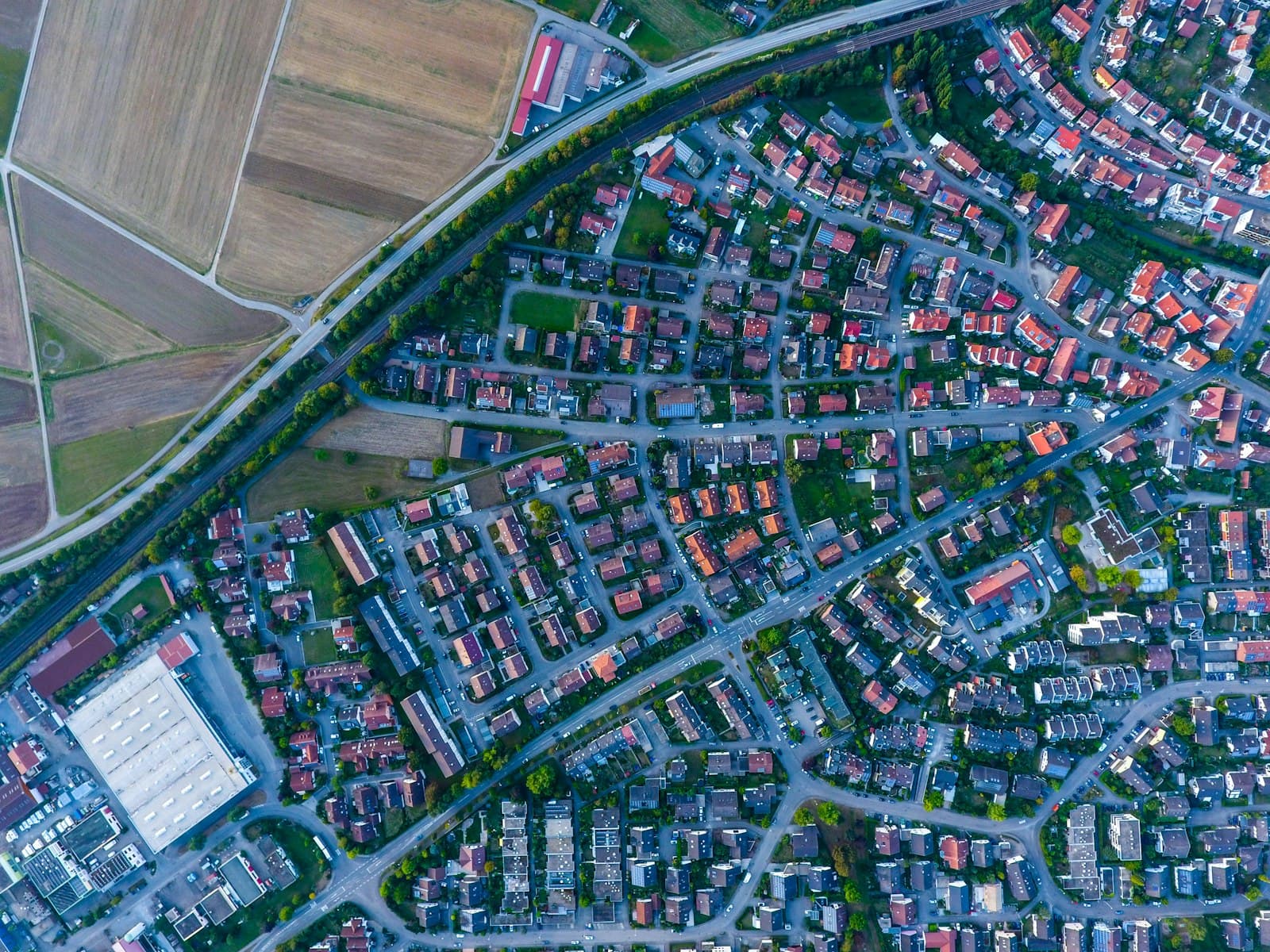
The 15-Minute City Is a Beautiful Idea. Reality Takes a Bit Longer.
Carlos Moreno's 15-minute city sounds almost suspiciously simple: everything you actually need — work, food, school, healthcare, a park, a reason to leave the house — within a 15-minute walk or bike ride. No commute horror stories, no car dependency, no spending your one wild life stuck in traffic. Moreno, a Paris-based urbanist, first floated the idea around the 2015 COP21 conference, and it got a real-world test run when Paris mayor Anne Hidalgo adopted it as policy. Since then it's spread to Milan, Buenos Aires, Melbourne, and a growing list of cities that all had the same thought during lockdown: wait, why does everything have to be so far away?
Here's the part nobody puts on the poster, though — retrofitting a 15-minute city onto a city that was built for cars, sprawl, and hour-long commutes is less "flip a switch" and more "renovate a house while still living in it." Roads don't relocate themselves. Zoning laws that separate "where you live" from "where you work" don't rewrite themselves either. And a decades-old habit of driving everywhere doesn't disappear because a mayor gave a nice speech about proximity.
Which is exactly why the cities actually making progress aren't trying to do it all at once. They're doing it in pieces — a new bike lane here, a rezoned block there, a neighborhood hub that slowly turns an empty lot into a place people actually want to be. Gradual, almost boring in its patience, and probably the only version of this that was ever going to work. The unglamorous truth about urban transformation is that it looks less like a grand unveiling and more like a slow renovation nobody notices until one day the commute's gone.
Enjoying this? Get new articles by email.
Roughly how that gradual build-out tends to go, phase by phase:
There's also a quieter benefit buried in all this that doesn't get talked about enough: local jobs. A 15-minute city isn't just about your commute — it's about your neighborhood having enough going on that someone doesn't have to leave it to make a living. More local services means more local employment, which means the neighborhood stops being just a place people sleep and starts being a place people actually build a life.
And there's a personal-scale payoff too, if you're the type who likes having their life somewhat organized. If your groceries, gym, clinic, and coworking space are all a short walk away, that's not just convenient — it's a genuine advantage for anyone who plans ahead. Less time lost to logistics means more room to actually prepare for what matters, rather than spending half your week just getting to the things you need.
The most promising version of all this isn't a single sweeping master plan — it's a clear map. Commute infrastructure, daily-life essentials, and public services, laid out and coordinated rather than left to develop by accident. Not utopia delivered overnight, just a city that's finally been asked to make sense.
Sources: C40 Knowledge Hub — Carlos Moreno: The 15-Minute City and Why Every City Can Benefit From a 15-Minute City Vision