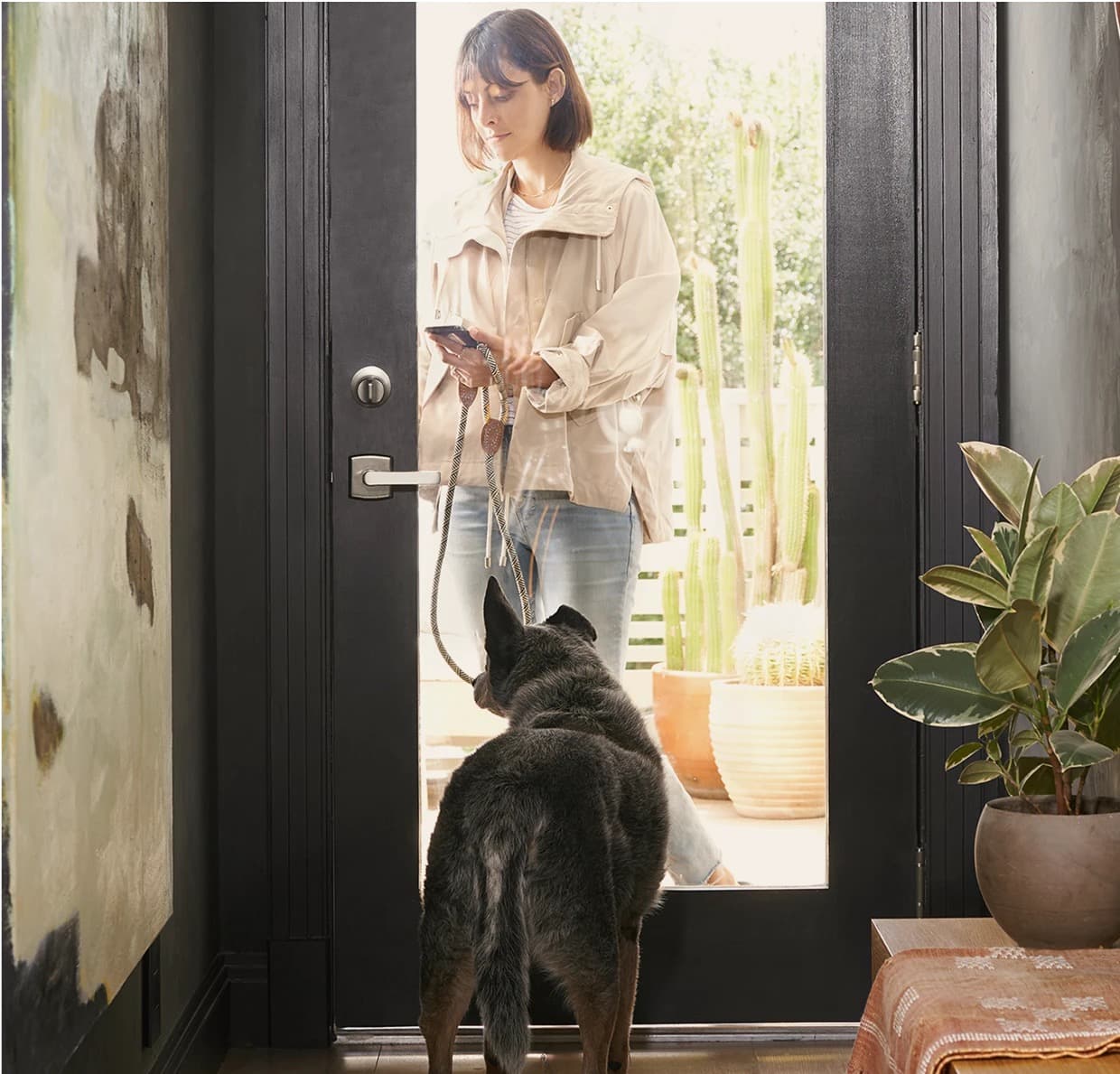
Photo: Level
The Best Smart Lock Is One That Refuses to Admit It's a Smart Lock
Confession, from someone who has genuinely locked themselves out with a smart lock's app frozen mid-sync: I trust a device more, not less, the second it stops trying to look impressive. Which is exactly why the Level Lock Pro caught my attention — it's a $349 smart lock whose entire design philosophy is refusing to look like one.
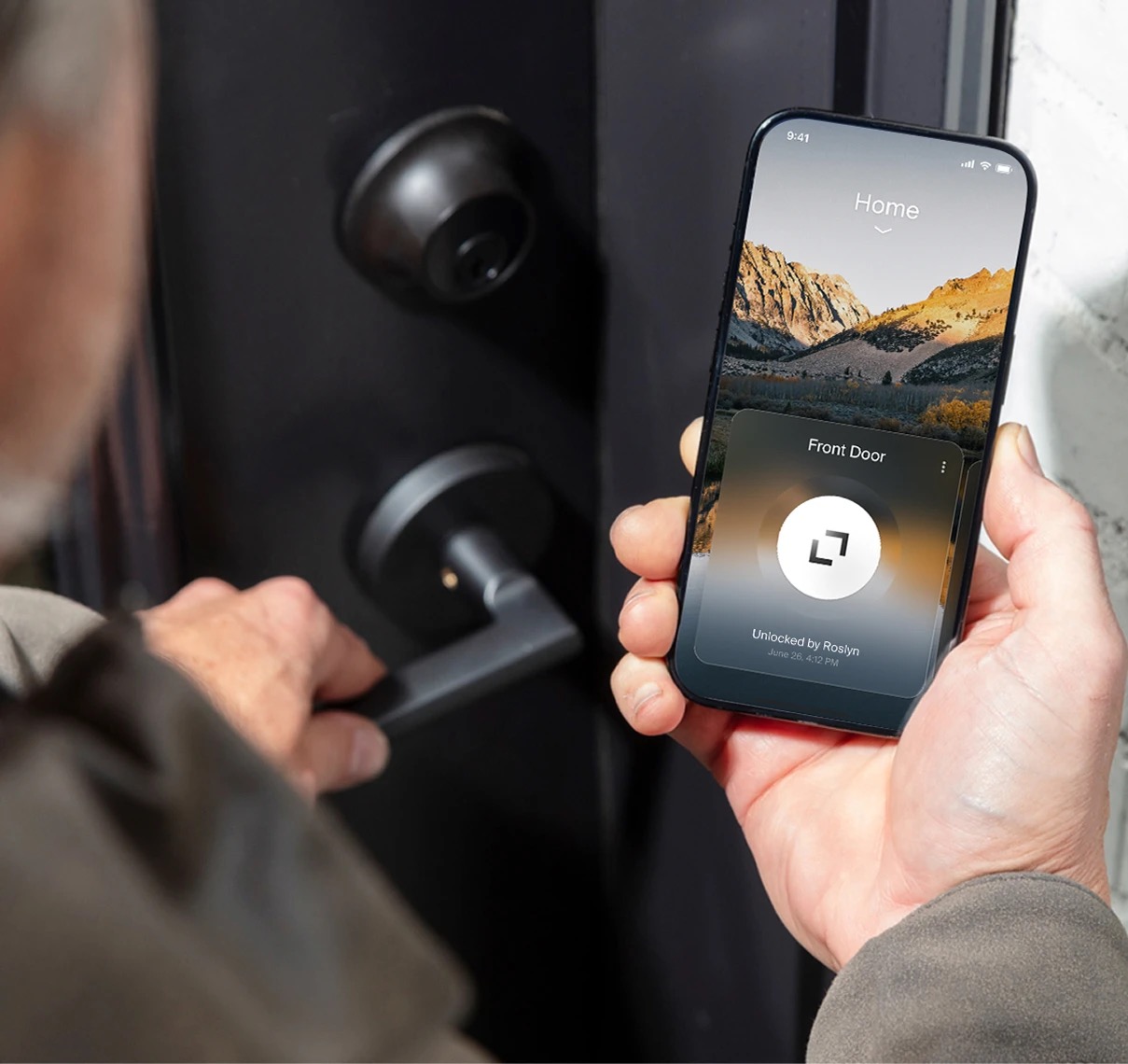
From the outside, it's indistinguishable from an ordinary deadbolt — no glowing panel, no obvious keypad, nothing that visually announces "there is a computer in this door." Inside, it's genuinely well equipped: a motor, three separate wireless protocols (Bluetooth, Wi-Fi, and Thread), a speaker, and a single replaceable battery rated for roughly a year of continuous use. It supports Apple Home Key for a tap-to-unlock phone or watch, works with RFID fobs and access cards, and plays nicely with Matter-based smart home setups for automatic locking and unlocking. The Pro model specifically adds door-open/close detection and a faster dual-core processor over the standard version — genuinely useful upgrades hiding behind a completely unremarkable face.
Enjoying this? Get new articles by email.
Photo: Level
Here's the strategist's read on why "boring on purpose" is actually the smarter security decision, not a compromise. Most smart locks broadcast their own value proposition visually — a glowing keypad, a sleek touch panel, something that says "this door has been upgraded." That's a genuinely bad instinct from a security standpoint: telegraphing that a door has smart-lock hardware behind it is functionally advertising a specific, well-documented attack surface to anyone casing the building. A lock that looks exactly like the one it replaces doesn't invite that scrutiny in the first place. Security theater — looking secure — and actual security are different products, and this one deliberately chooses the second over the first.
Now the life-hacker read, which is really the more useful one for anyone actually managing physical access day to day. This kind of quiet smart lock isn't just for your own front door — it's a genuinely underrated fit for spaces that need real access control without turning the entrance into a statement piece: a back office, a shared storage room, a small warehouse loading door, a walk-in that only certain staff should reach. And for F&B specifically, the appeal compounds fast — staff stop needing to carry, share, or inevitably lose a physical key that then has to get re-cut for the whole team; access can be granted or revoked instantly per employee; and unlike a shared brass key with zero memory, every entry and exit gets logged automatically. That's not a minor convenience. That's a genuinely useful, quietly built-in audit trail for anyone who has ever needed to know exactly who was in the stockroom, and when, without installing a separate camera system just to find out.
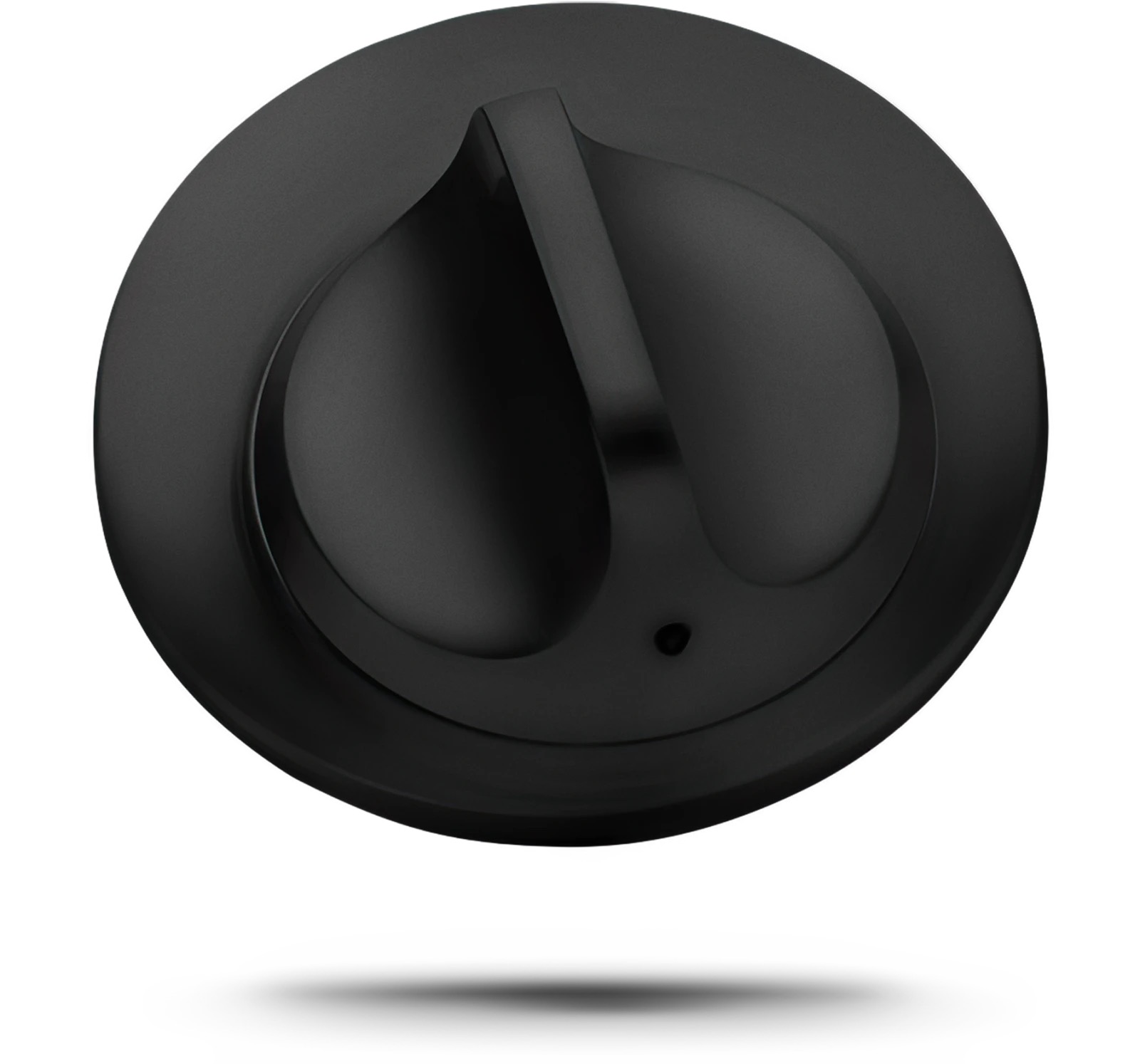
Photo: Level
Worth naming the real limitations too, because a good strategist doesn't just sell the upside. There's no fingerprint or palm scanning here, which feels like a genuine gap for a device this smart. Most reliable unlocking still leans on having a phone nearby, and the fully keyless dream — skipping a physical backup key entirely — realistically requires also buying the separate keypad accessory, pushing the total cost meaningfully higher. And like most smart locks straddling the line between convenience and dependability, it isn't fully willing to let go of the physical key as backup, which is the industry's ongoing, slightly embarrassing tell that none of these systems are quite ready to be the only thing standing between you and your own front door.
Still, as a piece of design thinking worth stealing well beyond locks: the idea that the smartest version of a security upgrade is the one nobody can visually identify as an upgrade at all is a genuinely portable lesson — for anyone building anything meant to protect something, quiet is not the absence of intelligence. Sometimes it's the clearest sign of it.