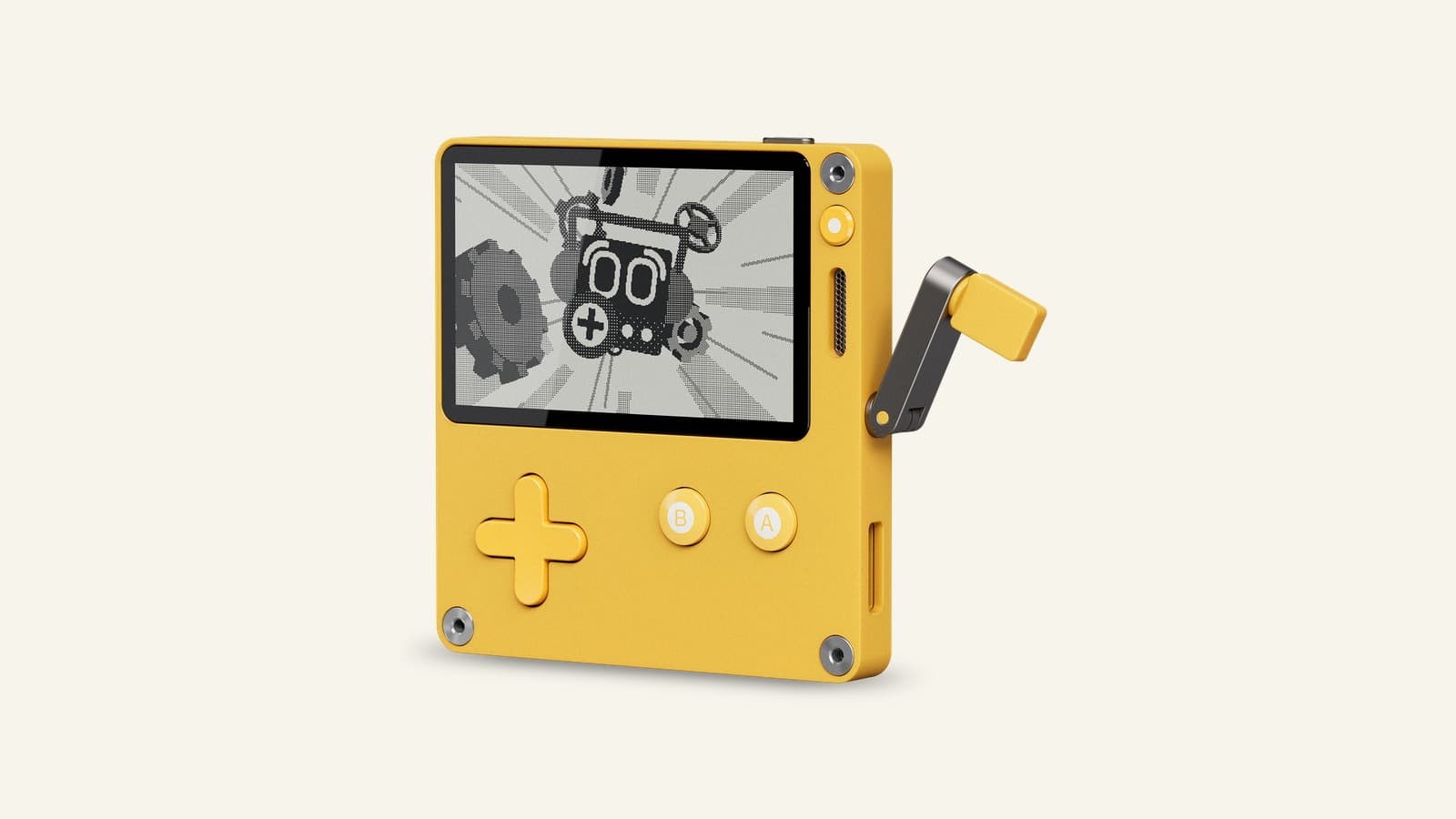
Photo: Panic
The Console Sega Killed Twenty-Five Years Ago Still Won't Stay Dead
Somewhere out there, a small indie studio is optimizing shadow rendering for a console that Sega itself gave up on before most of its current players could legally drive.
The Dreamcast lasted two and a half years on shelves. It launched in Japan in 1998, limped through a global release in 1999, and was unceremoniously discontinued in 2001 after Sega watched the PlayStation 2 eat the entire industry's lunch. By any normal business logic, that should have been the end of the story — a footnote about a console that arrived a console generation ahead of its own company's confidence. Instead, twenty-five years later, a studio called Story Bird is building White Creek, a full survival-horror game starring an exorcist with a cell phone and a moral dilemma, designed from the ground up specifically for Dreamcast hardware. Not ported to it. Not "inspired by" it. Built for it, on purpose, in 2026.
This is, on its face, an unhinged business decision. It is also a completely rational one, once you understand what's actually being sold.
Enjoying this? Get new articles by email.
Nobody funding White Creek on Kickstarter is doing it because the Dreamcast has better graphics than their phone. They're doing it because booting up that console is a portal back to a specific, unrepeatable feeling — the particular texture of being a kid discovering Sonic Adventure or Jet Set Radio for the first time, before "gaming" came with battle passes and live-service road maps. Nostalgia isn't really about the object. It's about borrowing the emotional safety of a memory and getting to live inside it again for a few hours. The Dreamcast happens to be an unusually good vessel for that because Sega, by accident of bad business timing, never got the chance to ruin it with updates, monetization, or a slow decline into irrelevance. It just stopped, mid-sentence, at its best moment. That's rare. Most things we're nostalgic for got worse before they got shelved.
The stranger, more useful insight sits one layer down: brands don't actually need old hardware to sell this feeling. They need to sell containment. Part of what made the Dreamcast era so beloved wasn't the specs — it was that gaming, back then, happened in a bounded, physical, single-purpose object. You sat down, you played, you were fully there, because there was nowhere else the device could pull your attention. That's precisely the appeal Panic's Playdate has quietly rebuilt from scratch: a tiny yellow handheld with a hand crank and a black-and-white screen, deliberately limited, and somehow beloved enough to have over 1,600 games built for it since 2022. It's not trying to be your phone. That's the entire pitch.
Which is the real opportunity sitting in plain sight for portable hardware right now — and it isn't really about gaming specs at all. It's about permission. A Steam Deck, a Playdate, even a dedicated e-reader, all sell the same underlying thing: a device you're allowed to disappear into during a commute or a layover without your phone's twelve competing apps clawing for the same twenty minutes. That's not a niche gamer need. That's basically everyone's actual daily problem. The brands who understand that a single-purpose device is now a luxury, not a limitation, are the ones building the next thing people get nostalgic for in twenty-five years — not because the hardware was powerful, but because, for once, it let people be somewhere on purpose.
The Dreamcast's afterlife isn't really a story about a cult classic console refusing to die. It's a story about what happens when you build something with a hard, honest boundary, and then get out of the way. Sega walked away in 2001 without ever weighing the machine down with subscriptions or live-service bloat, and a generation of developers has spent twenty-five years proving that a firm edge, done right, outlasts almost anything designed to be endlessly, exhaustingly more.