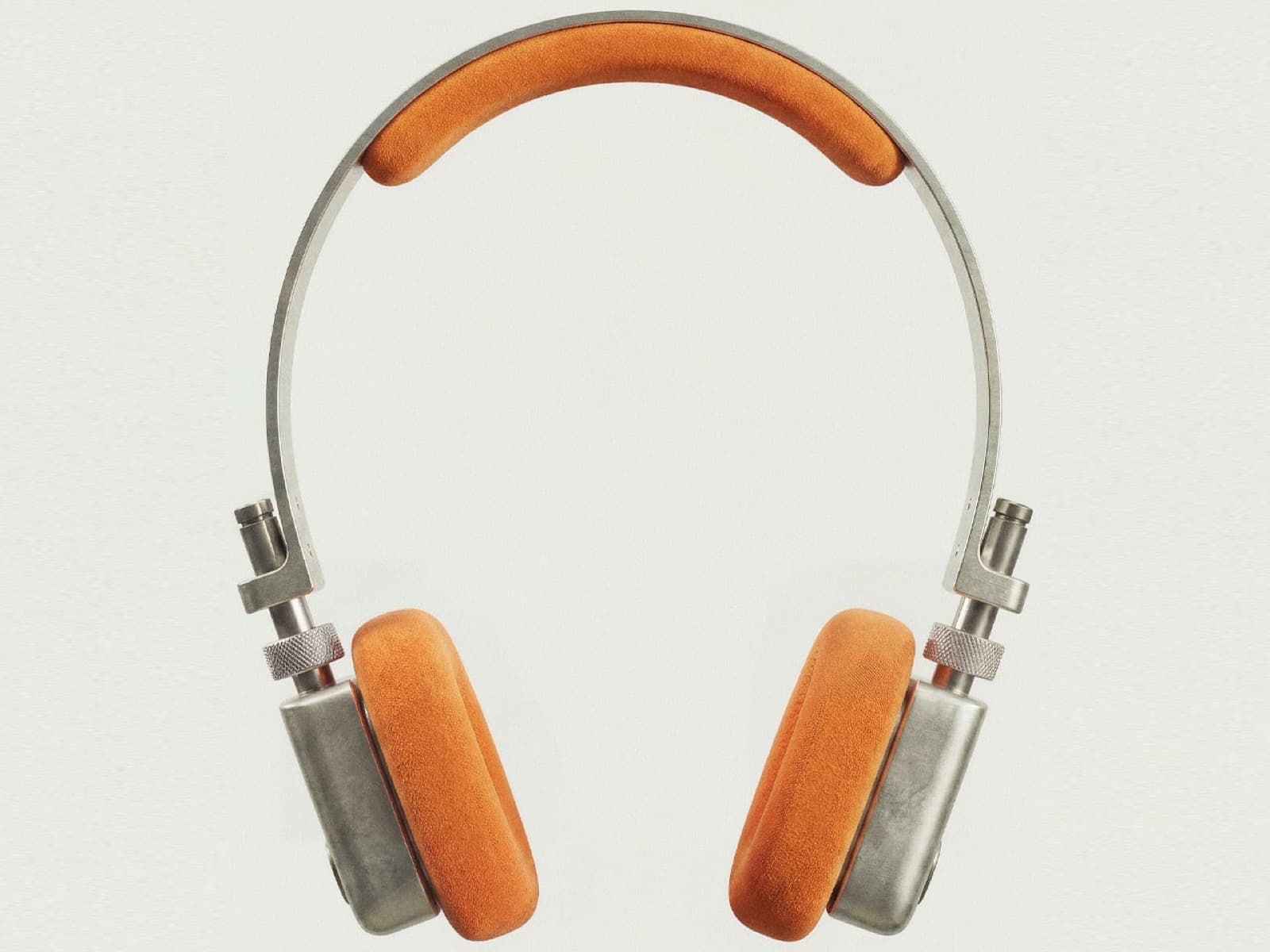
A Headphone With Real Dials: Why Retro Controls Feel Like the Future
There is a small, quiet pleasure in turning a real dial. It clicks, it resists a little, and your fingers know exactly where it is without your eyes ever checking. Somewhere along the way, headphones traded that for a tiny button and a touch-sensitive panel that you tap, hope and tap again.
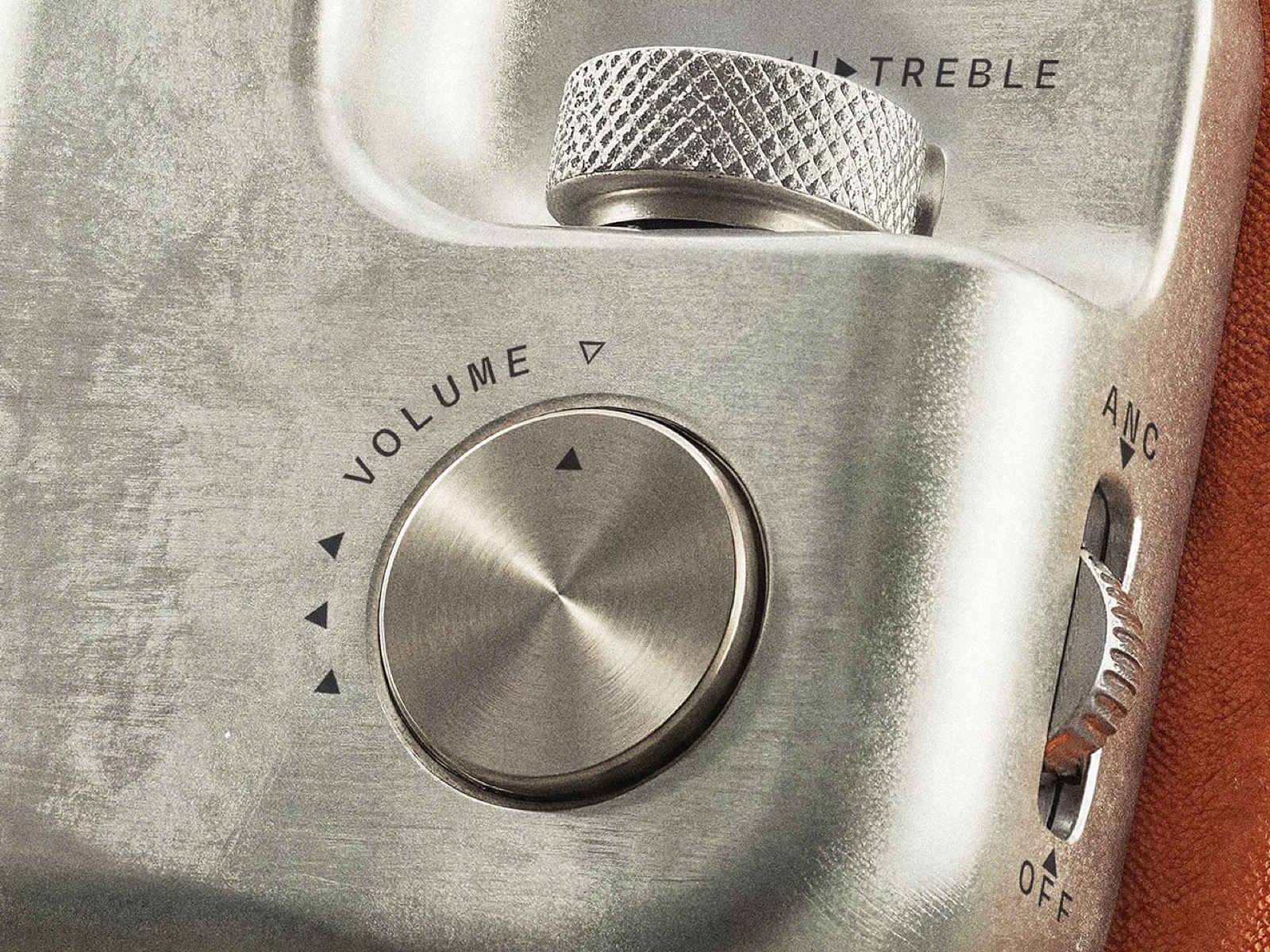
The TUNE X3, a concept by Pressec Design covered by Yanko Design, pushes the other way. It is built around dedicated knurled dials and tactile switches for volume, treble and active noise cancellation, so you adjust by touch instead of hunting through a menu. The body is brushed aluminium with high-contrast orange textile on the ear cushions and headband, exposed fasteners and a wide, utilitarian headband. The raw metal finish is meant to recall mid-century studio equipment. The idea, in the article's words, is that adjusting your headphones "shouldn't mean searching for a tiny button or guessing where to tap a touch-sensitive surface." [Yanko Design]
Enjoying this? Get new articles by email.
Image: Pressec Design, via Yanko Design.
It helps to be clear about what this is. TUNE X3 is a concept, part of a fictional product family alongside the CINE X3, with no release date, price or technical specifications, and the article doesn't say how the controls would perform in practice. [Yanko Design] It is a piece of design thinking, not a product you can buy. That doesn't make it less useful, because the thinking is exactly what's interesting.
Why retro-modern is worth more than either half
Collectors of retro audio gear tend to want two things at once. They love the look, weight and ritual of older equipment, the way a dial feels like an instrument. But they also don't want to give up what modern products do well: wireless freedom, noise cancellation, a battery that lasts the commute. A pure reissue disappoints on the second point, and a pure modern gadget disappoints on the first.
A design like the TUNE X3 sits in the gap. Physical controls give a product character, and character is what makes people attach to an object instead of just using it. They also make the product easier to explain in a photograph, which matters for a collector's shelf as much as a shop window. The value isn't only nostalgia. It's the promise that a new object can have the presence of an old one.
There is a practical argument too. Knurled dials work in the dark, with gloves on, or while you are walking, because your fingers do the finding. Good tactile design is less a throwback than a usability decision that the touchscreen era quietly gave up.
This is a pattern, not a one-off
As a strategist, what I find most useful is that the same instinct shows up in other places, where a culture takes something traditional and gives it a new job.
Take China's Palace Museum. Its creative product line began in 2007 with souvenirs for the 2008 Beijing Olympics and, within a decade, grew to nearly 10,000 items. Among them are earphones modelled on the beads worn by Qing Dynasty court officials, which became popular with young shoppers. [CGTN] Sales of the museum's merchandise passed 1 billion yuan in 2015, and its cultural and creative products reached about RMB 1.5 billion in 2017. [CGTN; Mintel] The curator's own summary is neat: these items "make an ancient culture more accessible to the general public." [CGTN] A centuries-old imperial palace became a living brand by putting heritage into things people actually use.
Japan offers an older version of the move. Nintendo began in the late 1800s making hand-painted hanafuda, the "flower cards" that were themselves a Japanese-looking alternative to Western decks that had been banned. The company still makes them, and has even released a Mario-themed deck. [99% Invisible] Tradition didn't sit in a museum there. It became a platform, and the brand kept the old craft alive alongside the new business.
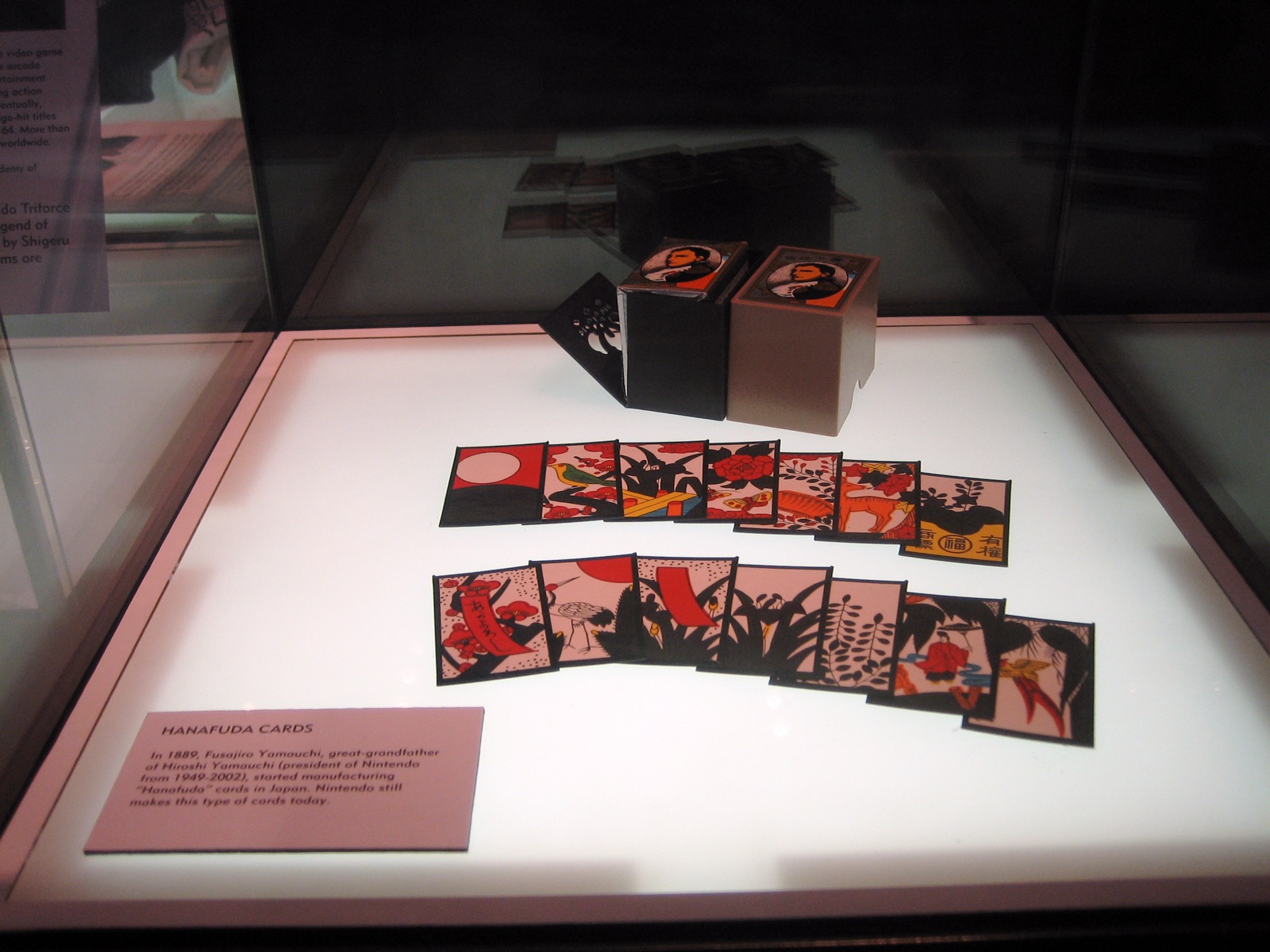
Photo: Kate Haskell, CC BY 2.0, via Wikimedia Commons.
What brands can take from this
The pattern across these cases is consistent. Heritage works best when it changes what a product does or how it feels, not when it only decorates the surface. The Palace Museum's earphones are earphones first. Nintendo's hanafuda are cards you can play. The TUNE X3's dials are controls you can use. In each case the traditional element earns its place by being useful, and the modern element makes it relevant.
Two more lessons follow. First, merchandise can be a way of extending a story, not just monetising it. The best pieces give fans a small, daily object that carries a larger culture. Second, collectors are a brand's most loyal audience, and they reward details: knurling, materials, a satisfying click. Brands that respect those details often find that a niche product builds a following long before it reaches volume.
The TUNE X3 may never leave the screen. But as a signal, it's clear. People still want to feel what they are doing, and the brands that remember that, whether they are making headphones or souvenirs, have something new to offer in an old, familiar shape.
Sources