Photo: Universal Pictures
What Christopher Nolan's Costume Department Understands About Brand Strategy
Somewhere on a costume team building over 5,300 individual pieces for a single film, someone made the deliberate decision that a water nymph's dress should look like something you could actually catch fish in — because the actress playing her was going to be asked to do exactly that.
That level of commitment is the real subject worth studying in how costume designer Ellen Mirojnick approached Christopher Nolan's The Odyssey. On the surface, it's a story about Bronze Age research and IMAX-scale spectacle. Underneath, it's a genuinely instructive case study in something every brand strategist claims to care about and few actually commit to: making a story feel true by getting the unglamorous, unphotographed details right, not just the ones that end up in the trailer.
Start with the research discipline itself. Mirojnick didn't design costumes for an ancient epic by browsing reference images — she built her own study of Mycenaean Greece and late Bronze Age Mediterranean cultures from scratch: frescoes, weaving techniques, seafaring traditions, mythological iconography. That's the kind of foundational, invisible groundwork that never shows up in a highlight reel, and it's exactly the kind of work most brands skip because nobody's directly asking for it. The lesson transfers cleanly: audiences may never consciously notice the depth of research behind a brand's world, but they reliably notice its absence. Surface-level authenticity reads as surface-level, even when the audience can't articulate why.
Enjoying this? Get new articles by email.
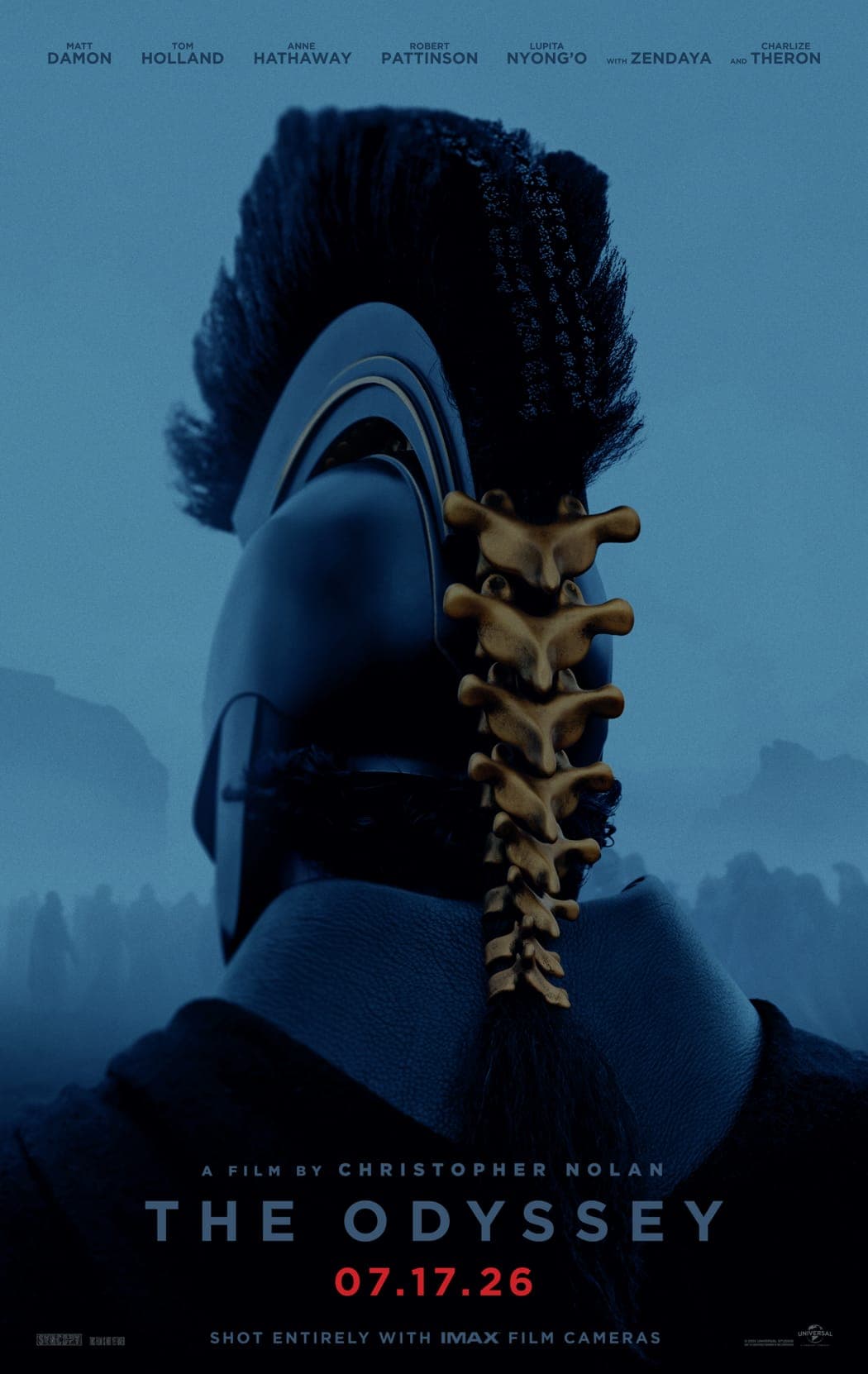
The more striking discipline, though, is how each character's entire visual language was built to function as its own coherent, differentiated argument — the kind of thing a genuinely good brand portfolio strategy tries and mostly fails to pull off. Queen Penelope's richer, more saturated jewel tones were a deliberate choice to signal strategic power rather than mourning. Antinous, the story's preening antagonist, got the shortest hem and the most ornamented finish of anyone in the cast, broadcasting vanity before he says a single line. Odysseus's armor was intentionally left dented and oxidized rather than gleaming, because — as Mirojnick put it — real bronze carries its own history, and a hero returning from twenty years of war shouldn't look freshly polished. None of these are just aesthetic flourishes. Each one is a compressed piece of characterization, doing narrative work before any dialogue does. That's precisely what strong brand differentiation is supposed to do across a product line or a set of customer segments — and precisely what gets lost when every touchpoint defaults to the same safe, undifferentiated visual voice out of caution.
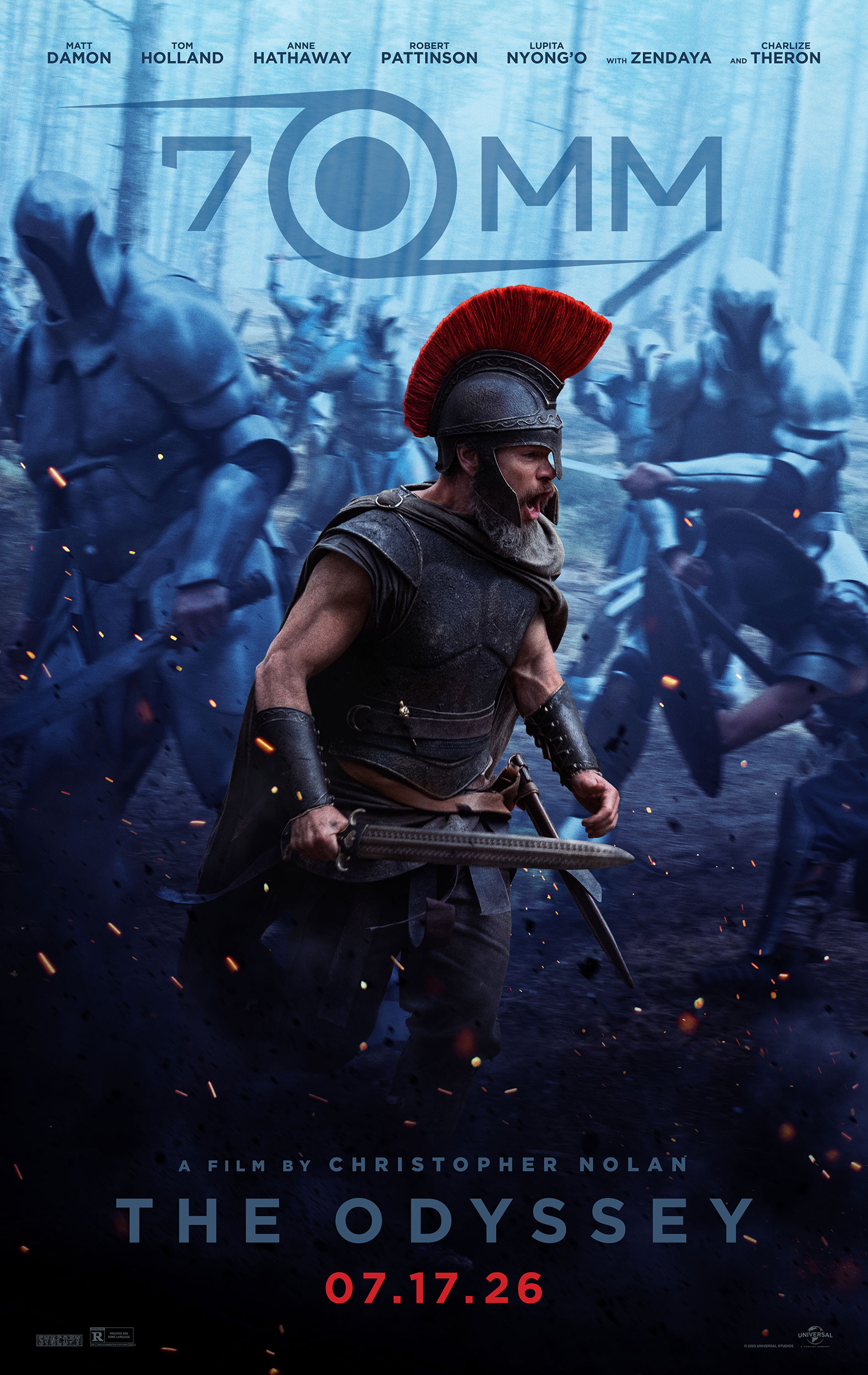
Photo: Universal Pictures
There's a third layer worth sitting with, maybe the most useful one: the insistence on physical, tactile truth over decorative shortcuts. The costume team didn't just design a fishnet garment that looked like it could catch fish — they built one the actress could genuinely fish with, and tested it. That's a small, expensive, entirely unnecessary-looking decision if your only goal is what appears on screen for a few seconds. But it's exactly the kind of decision that makes a performance, and by extension an entire fictional world, feel inhabited rather than staged. Brands chase this same feeling constantly — usually by talking about "authenticity" in a deck, rarely by doing the equivalent of actually building the fishing net. The costume held up under real use because it was made to, not because it merely looked like it could be.
What ties all of this together is restraint applied in exactly the right places. Despite the scale of the production, Mirojnick has described the goal as "timeless" rather than "modern" — grounded and human even at mythological proportions, character work legible even when a garment is deliberately left half-hidden by a banquet table in the final cut. That's the harder discipline for any storyteller or brand to hold onto once the canvas gets big: resisting the temptation to make everything loud simply because you finally have the budget and the platform to do so. The story that actually moves people isn't the one with the most visible spectacle. It's the one where every choice, seen or unseen, was made in service of a specific, coherent character — and where the audience feels that coherence even in the details they'll never consciously notice.
Photo: Universal Pictures
Insights drawn from Ellen Mirojnick's interview with W Magazine.