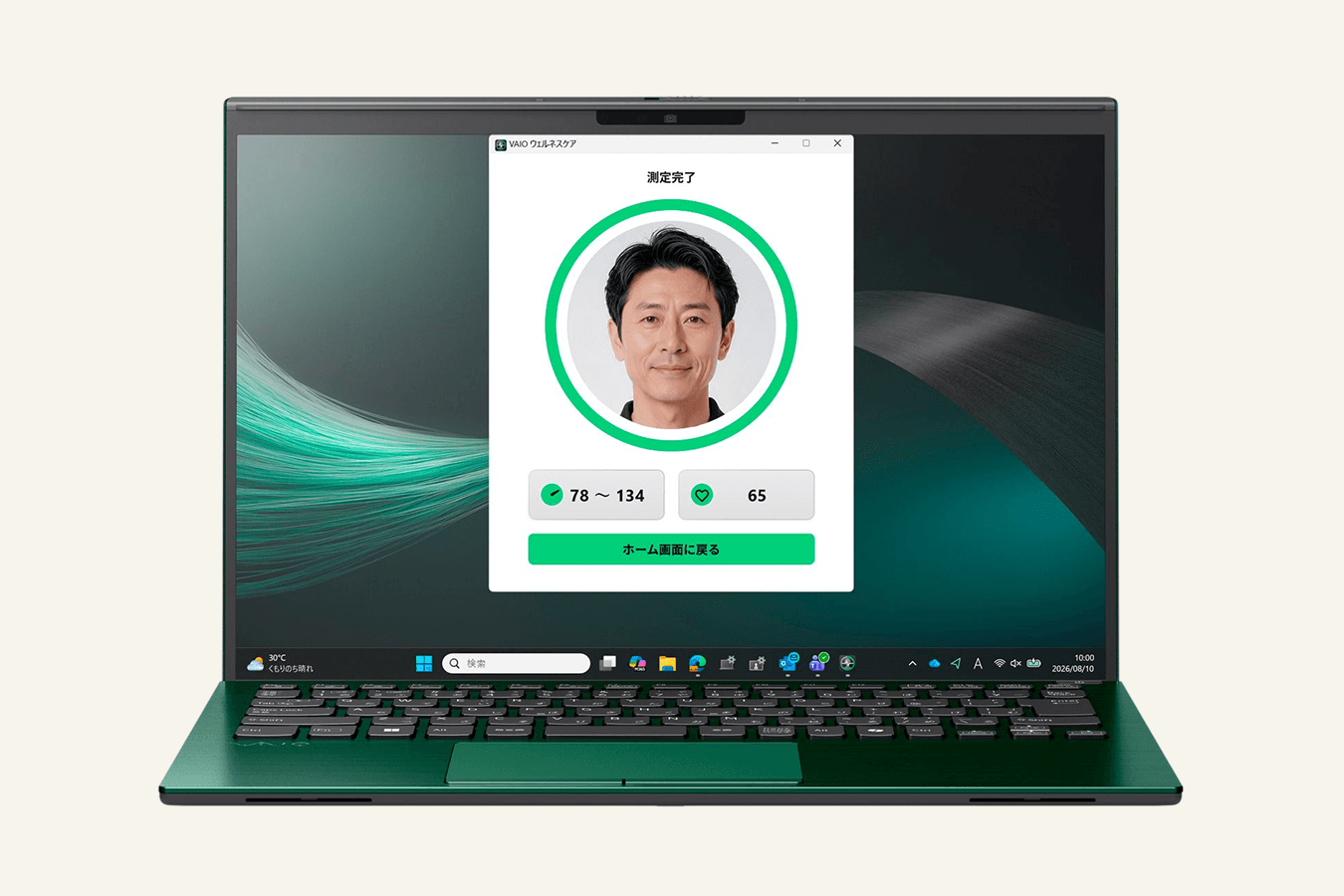
Photo: VAIO
Your Next Health Tracker Might Just Be the Laptop You Already Own
The global health-tech race has mostly been a race toward smaller. Rings instead of watches, patches instead of rings, sensors woven into fabric so thin you forget they're there. Miniaturization has been the whole story — until VAIO quietly pointed in the opposite direction and asked a much simpler question: what if the best health tracker isn't something new you have to remember to wear, but something you're already sitting in front of for eight hours a day?
The answer is VAIO Wellness Care, a new application that uses a laptop's existing webcam to perform non-contact sensing of a person's heart rate and vascular signals — no wearable, no additional hardware, nothing to charge overnight. It launches as a preview on the VAIO SX14-R model, with a wider personal-and-business rollout planned for the fall, and a longer-term "Double Health" concept on the roadmap: monitoring the health of the person using the machine alongside the health of the machine itself.
Enjoying this? Get new articles by email.
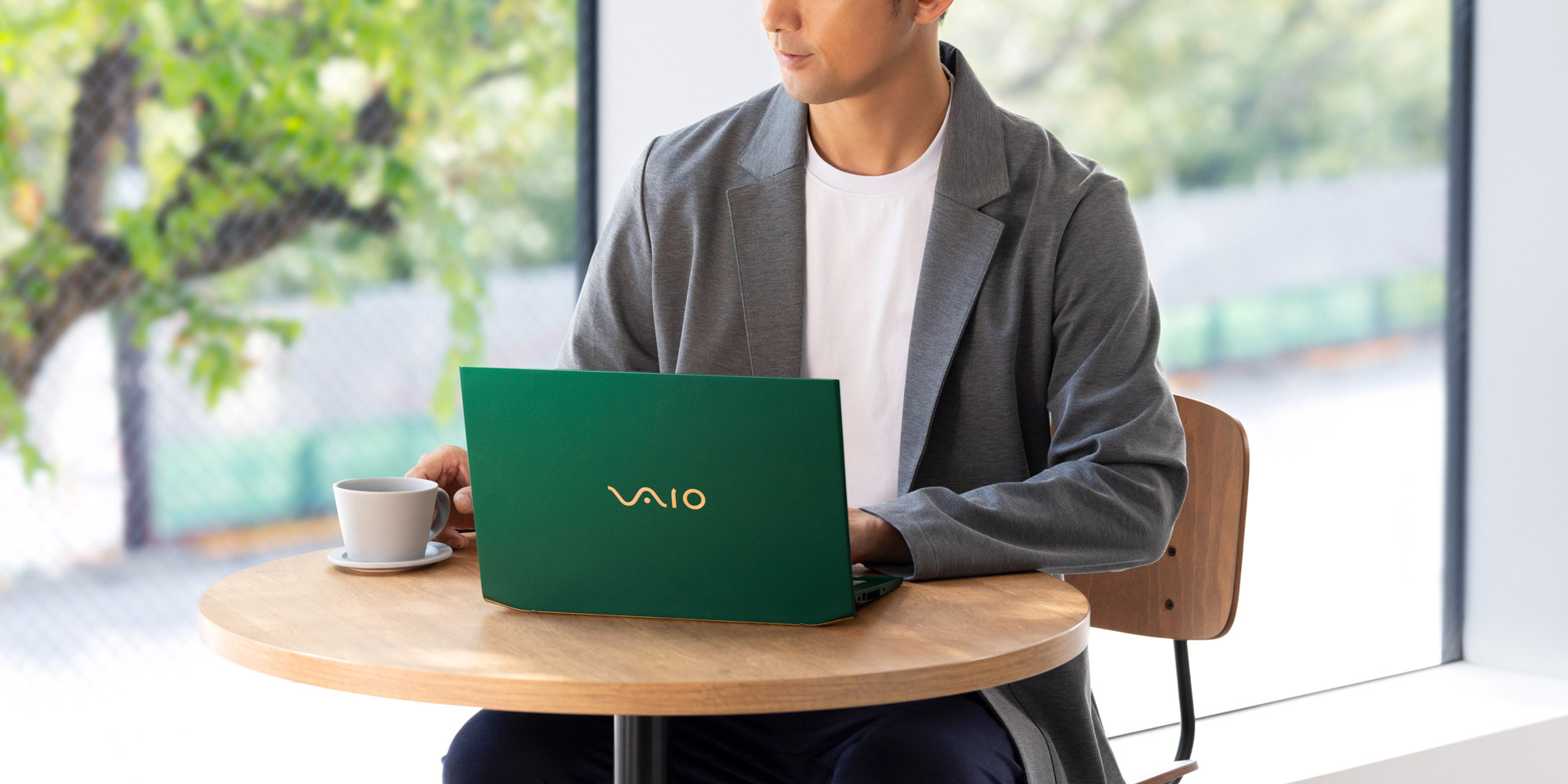
Image: VAIO
What makes this a genuinely different bet, rather than just a cheaper alternative to a smartwatch, is where it places the moment of measurement. Wearables ask you to adopt a new habit — remember to put it on, remember to sync it, remember it exists. A laptop needs none of that. It's already the most consistent, most repeated touchpoint in a working adult's day, which means the data it could quietly gather isn't a snapshot from a single check-in, but something closer to a running record — the same time, the same posture, the same context, day after day. That's the kind of chronological pattern that's genuinely useful for noticing a trend, rather than a wearable's isolated ping that's easy to glance at once and forget.
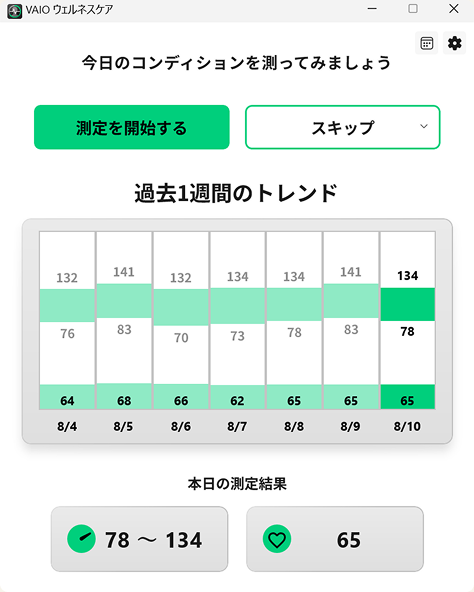
Image: VAIO
There's a real cultural logic behind this coming from VAIO specifically, and from Japan more broadly. The company has spent over a decade since splitting from Sony building a reputation on quiet reliability — professional-grade laptops, minimal drama — while, by its own admission, becoming a brand people trust without particularly getting excited about. Wellness Care reads as a deliberate first swing at reintroducing some of that excitement, but through a very Japanese lens on what "wellness tech" should feel like: not a flashy new gadget demanding a place in your life, but something folded quietly into a tool you already depend on, doing its work in the background rather than asking for attention.
Zoom out, and the timing makes obvious sense. The past several years have pushed personal health from an occasional concern to something close to a background preoccupation for a huge number of people — tracking sleep, tracking steps, tracking basically anything measurable, largely as a way of regaining a sense of control after a stretch where health felt anything but controllable. That appetite hasn't faded; if anything it's matured into something people now expect built into more of their everyday tools, not just their fitness apps. A laptop that quietly tracks vascular and heart-rate trends over time, without asking anyone to buy or wear anything new, fits neatly into that shift — turning a machine people already open every morning into one more small, ambient checkpoint for how they're actually doing.
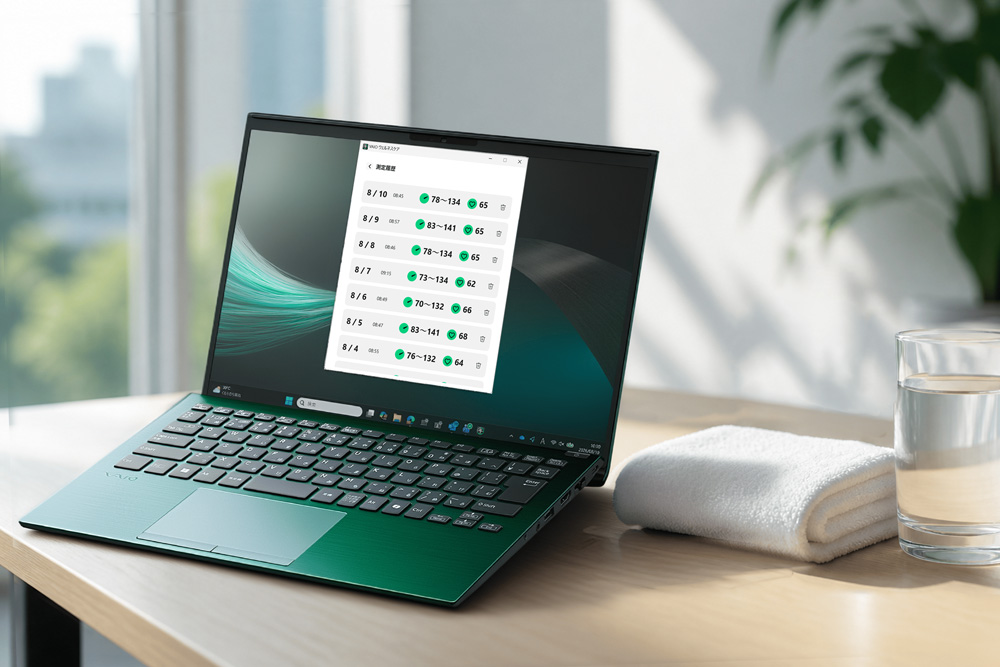
Image: VAIO
It's worth being honest that this is still an early, cautious step — VAIO itself is careful to frame the app as a general wellness tool, not a medical device, and the underlying readings are statistically modeled estimates rather than clinically validated measurements. But the framing matters less than the direction it points. If this works even modestly well, it's a genuinely persuasive proof of concept for other hardware and healthcare brands: the next wave of health tracking may not come from a device you have to remember to put on, but from teaching the devices you already never take off — your laptop, your phone, your car — to quietly pay a little more attention.